À propos
Actions
Données et outils
Évenements
Actualités

ACTUALITÉS À LA UNE

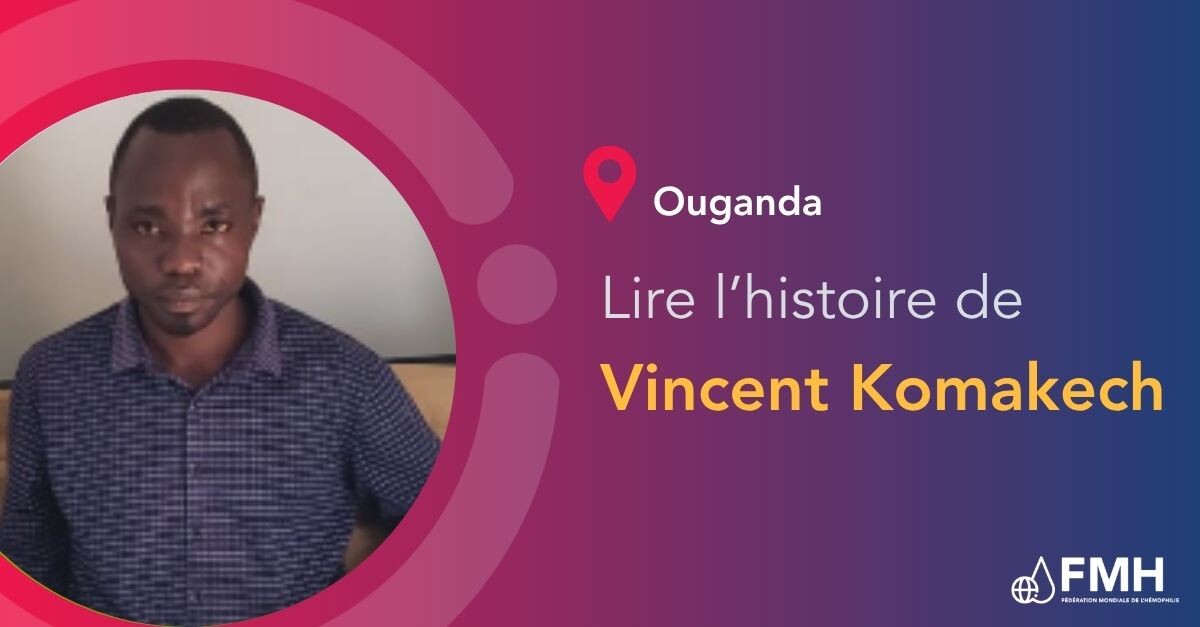
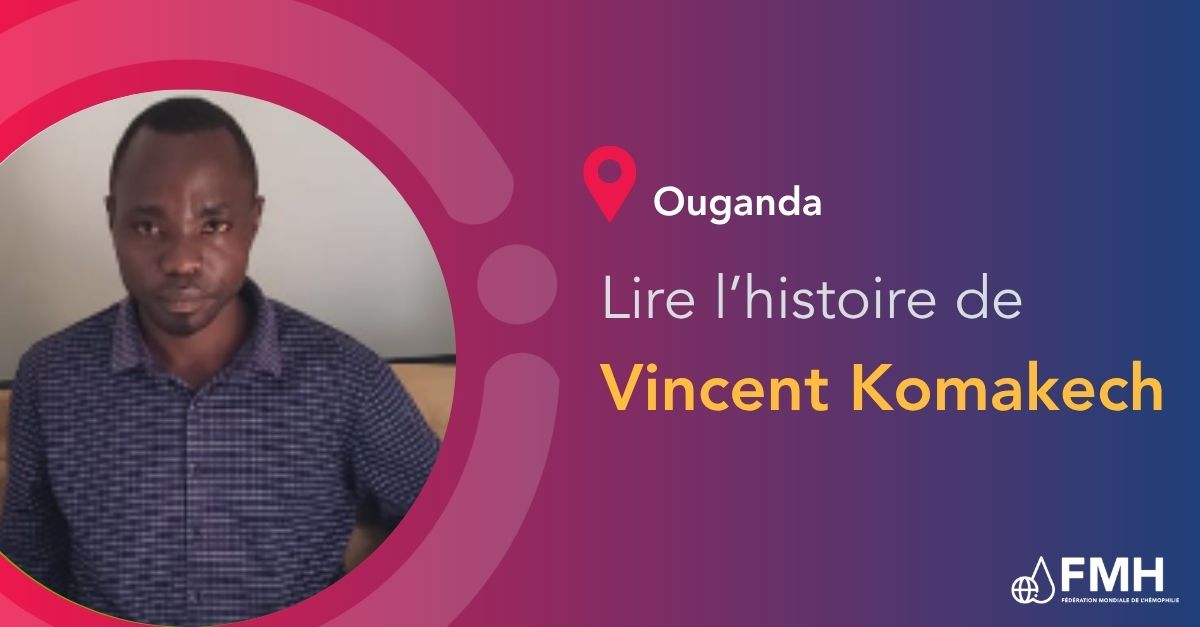
En 2017, Vincent Komakech est arrivé à l’hôpital Lacor de Gulu avec un genou très enflé et douloureux. C’est là qu’Agnes Kisakye, secrétaire exécutive de la Haemophilia Foundation of Uganda (HFU), s’est rendu compte que son tableau clinique indiquait très probablement un trouble de la coagulation. Elle a signalé le cas aux médecins et a recommandé qu’il fasse un test de dépistage de l’hémophilie. Les résultats du diagnostic ont confirmé une hémophilie A, et le patient a immédiatement commencé à recevoir un traitement sous forme de concentré de facteur VIII, qu’il utilise encore aujourd’hui pour gérer sa maladie. Âgé de près de 20 ans à l’époque, M. Komakech avait enfin une explication à la souffrance qu’il avait enduré pendant des années. Il avait des réponses, et de l’espoir pour un avenir meilleur.
septembre 28
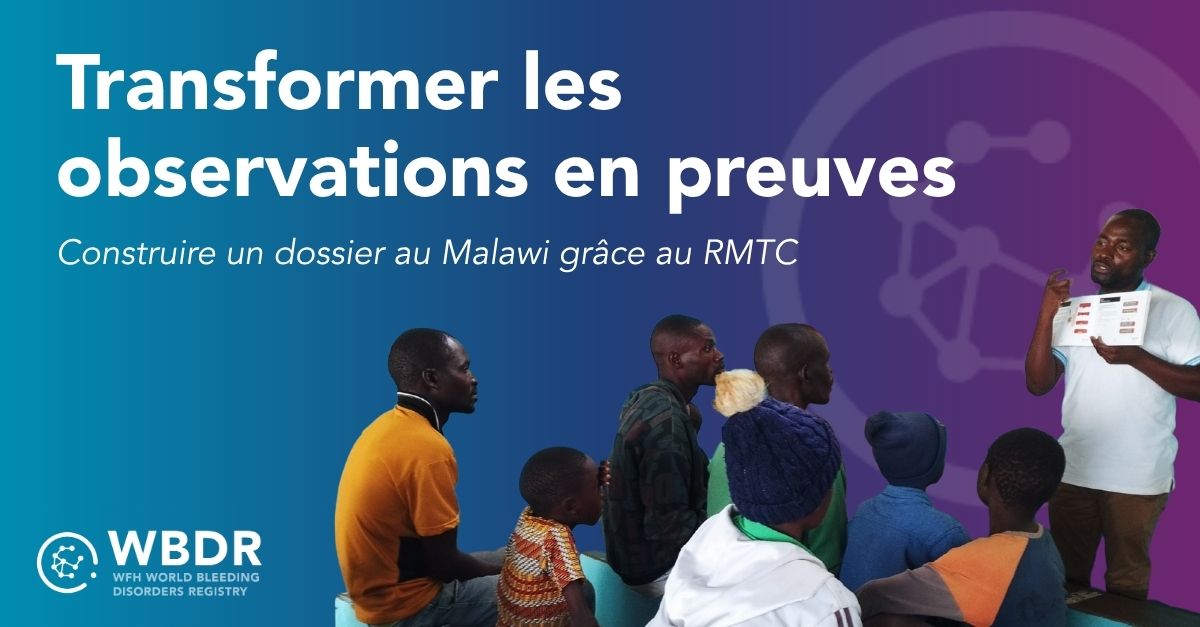
Pour un enfant né avec une hémophilie sévère dans un pays sans approvisionnement fiable en traitement, la vie se mesure en saignements. Un choc, une chute, parfois un événement tout à fait mineur, et une articulation peut se remplir de sang. La douleur peut durer plusieurs jours, et au fil des années, les articulations se raidissent, ce qui conduit à des problèmes permanents de mobilité. Cela provoque alors des absences en cours ou au travail, et de longues périodes passées chez soi. Heureusement, ce cas de figure bien trop répandu chez les personnes atteintes d'hémophilie au Malawi s'améliore peu à peu grâce au soutien de la Fédération mondiale de l’hémophilie (FMH).
juin 25
Pour les familles touchées par l’hémophilie au Maroc, l’accès au traitement a non seulement changé les soins médicaux, mais aussi la vie quotidienne. Le jeune Adam a été diagnostiqué après une chute qui a causé des saignements excessifs. « Lorsque nous l’avons amené [à l’hôpital], on nous a dit qu’il était atteint d’hémophilie », se souvient Hasan, son père. Ce diagnostic a fait naître peur et incertitudes chez les parents du petit garçon, des préoccupations qui n’ont été soulagées que par le soutien des associations locales, de la Fédération mondiale de l’hémophilie (FMH) et du Programme d’aide humanitaire.
septembre 11

TOUTES LES ACTUALITÉS

Disclaimer

The information on the WFH website is provided for general information purposes only. The WFH does not engage in the practice of medicine and under no circumstances recommends particular treatment for specific individuals. For diagnosis or consultation on a specific medical problem, the WFH recommends that you contact your physician or local treatment centre. Before administering any products, the WFH urges patients to check dosages with a physician or hemophilia centre staff, and to consult the pharmaceutical company’s printed instructions.

While every effort has been made to ensure the accuracy of the information on this site, the WFH does not guarantee the information is accurate, and is not responsible in any way whatsoever for damages arising out of the use of this website or any of the information contained herein.

Messages posted to WFH discussion forums, Facebook, Twitter, and other social media platforms do not represent the opinions of the World Federation of Hemophilia, its staff, or Board of Directors. The author of a message is solely responsibility for its content. Information posted on WFH social networks and platforms should never be a substitute for individualized professional medical advice, even when the author has medical qualifications or is considered an authority. Information posted to a discussion group should not be used to diagnose or treat a specific health problem without consulting a qualified healthcare professional. The WFH recommends that you contact your physician or local treatment centre if you have any individual questions or concerns.

References and links to other websites or references to other organizations, products, services, or publications do not constitute endorsement or approval by the WFH. The WFH is not responsible and assumes no liability for the content of any linked websites.

Fraud Alert

Unauthorized solicitations – Warning

The WFH has been made aware of various correspondences—circulated via e-mail and telephone—coming from individuals impersonating WFH staff or falsely stating that they are associated with the WFH. These correspondences, which may seek to obtain money using the name of someone affiliated with the WFH, are fraudulent and come from outside of our organization.

If you receive a suspicious solicitation, exercise extreme caution. In the case of an email, look at the email address to see if it looks suspicious (for example, all WFH emails come from @wfh.org).

We are asking you to remain vigilant, and if you have any doubts about the correspondence, please forward the email to the WFH at [email protected] or call +1 514-875-7944.