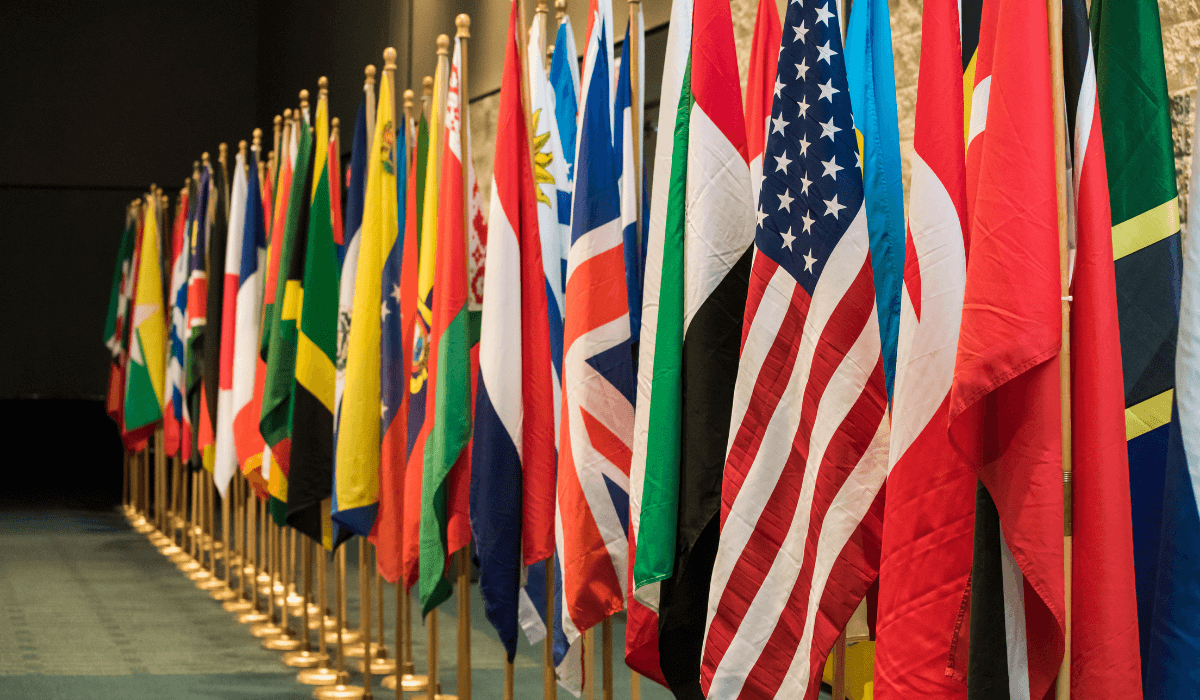
NMOs are founded by local stakeholders who have a passion for—and often, a lifelong commitment to—bettering the level of care for people with hemophilia and other bleeding disorders in their countries. These local leaders know the current situation well, the challenges faced, and the best way forward for their countries. Furthermore, patients who engage with NMOs know that they are part of an organization that truly cares about them, appreciates their specific situation, knows the treatment centres and physicians, and—perhaps most importantly—is committed to the community. From a first meeting with only 12 country representatives back in 1963, today the WFH counts 147 NMOs.
As an organization founded on the principle of making long-term sustainable care a reality for global bleeding disorders communities, the WFH believes that only by working in close collaboration with NMOs can we achieve our vision of Treatment for All. Hence, our approach is to create guidelines and tools and foster a forum for collaborative exchange to support NMOs, so that lasting, sustainable care is possible.
The WFH works with NMOs in many ways, depending on their development level. Newly established organizations begin their relationship with the WFH through the WFH Cornerstone Initiative, which aims to close the gap in care for people with bleeding disorders by providing support, expertise, and training to countries with minimal levels of care. Concurrently, NMOs in countries that require donated treatment products are supported by the WFH Humanitarian Aid Program.

NMOs that have successfully participated in the WFH Cornerstone Initiative are able to enroll in country endeavours or access more advanced programs, such as the WFH Path to Access to Care and Treatment (PACT) Program, a 5-year initiative designed to help NMOs improve outreach and diagnosis and increase access to sustainable care for people with inherited bleeding disorders. Other support is available in the form of development grants designed to provide support for new and innovative projects from WFH patient organizations; the WFH Twinning Program, which allows hemophilia treatment centres and patient organizations to partner for a period of two to four years to help improve treatment and care; and more.
The WFH also organizes regular regional or global training workshops to support the organizational capacity development of its NMOs, on topics related to leadership and governance, data collection and evidence-based advocacy, procurement models and health economics concepts, identification and outreach, youth engagement, and other areas of organizational development. Global NMO Training is the only bi-annual training that brings together all NMOs for mutual learning and exchange.
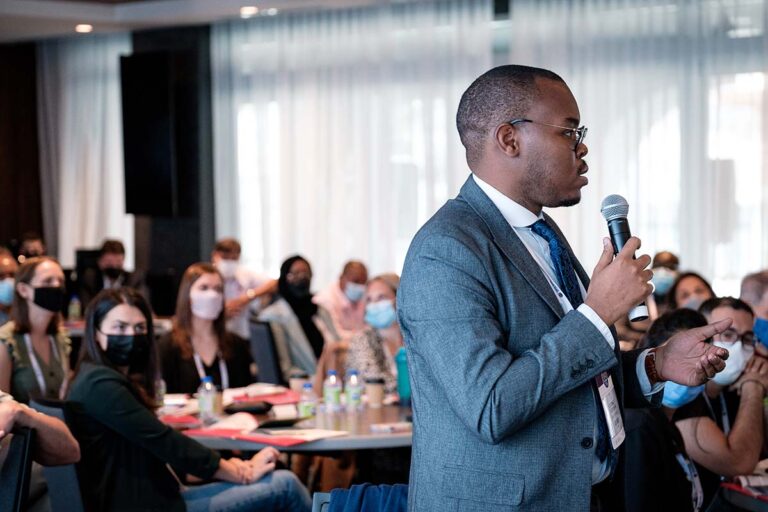
In addition to programs and grants, a wide range of resources are available for NMOs to consult free of charge. Resources like the WFH Guidelines for NMO capacity development (NMO CD Guidelines), which are designed to give NMOs a systematic framework for organizational capacity assessment and development. There are also medical resources available: the WFH Guidelines for the Management of Hemophilia, 3rd edition and the ASH ISTH NHF WFH 2021 Guidelines on the Diagnosis and Management of VWD can be used to provide advice to patients. Both are accessible free of charge on the WFH eLearning platform. Other publications, such as the Annual Global Survey (AGS)—which is made possible thanks to the collaboration of NMOs—can be used for advocacy by NMOs and other organizations.
Together, the WFH and NMOs work together as a global family, collaborating and sharing learnings and experiences. In this way, the level of care for an NMO’s members is increased—as is the level of care for other NMOs around the world. It’s a win-win situation, and one that has been achieving ever greater successes since the founding of the WFH nearly 60 years ago.
In the coming months, we will be publishing the stories of different NMOs so that the world can hear their inspirational experiences. Check in often to read those pieces. In the meantime, we invite you to find out more about the WFH here.