Gene Therapy Registry
The Gene Therapy Registry (GTR) is a prospective, observational, and longitudinal registry designed to collect long-term data on people with hemophilia (PWH) who receive gene therapy.
The primary objective of the GTR is to determine the long-term safety of factor VIII and factor IX gene therapies for PWH. Secondary objectives are to determine the long-term efficacy and the durability of factor VIII and factor IX gene therapies in PWH, and to assess long-term quality of life and burden of disease post gene-therapy infusion.
PARTICIPATE IN THE GTR
Data will be captured in the registry one of two ways:
- Directly via participating hemophilia treatment centres (HTCs)
- All HTCs that will be administering gene therapy for PWH will be invited to participate. HTCs that will be providing follow up visits for PWH who receive gene therapy will either be invited to participate, or the patient data collected at the follow up site will be sent to the HTC administering gene therapy for inclusion in the registry.
If your HTC is interested in participating in the GTR, please email us at [email protected]. The WFH will guide you through the process of obtaining ethics approval from your local institution.
- Through data transfer/linking from existing national hemophilia registries who meet specific criteria and can ensure the following:
- Collection of the same/similar data fields as the WFH GTR core data set
- Harmonization and standardization of terminology, particularly for adverse events
- Patient consent for secondary uses of their data outside of the existing registry
- Strict data quality management practices and high-quality data
- Avoidance of duplication of PWH
If you are a patient with hemophilia who has received gene therapy and is interested in participating in the GTR, please contact your HTC.
Further information can be found in the user guide on the basics of hemophilia, gene therapy, and long-term data collection, and the user guide for people with hemophilia.
GTR GOVERNANCE
A comprehensive governance structure—involving several key committees—was established to ensure the success of the GTR. The governance structure includes input from the Scientific Advisory Board (SAB), the National Registries & Hemophilia Treatment Centres Consortium, the steering committee, the industry consortium, and the patient advisory group. Representatives from various patient and healthcare professional organizations—including the International Society of Thrombosis and Hemostasis (ISTH), the European Association for Haemophilia and Allied Disorders (EAHAD), the European Haemophilia Consortium (EHC), and the US National Bleeding Disorders Foundation (NBDF)—are represented on the different committees.
GTR DATA
The WFH GTR is being developed in collaboration with the International Society on Thrombosis and Hemostasis (ISTH), the European Haemophilia Consortium (EHC), the National Bleeding Disorders Foundation (NBDF), the Patient-Reported Outcomes Burdens and Experiences (PROBE) study group, and experts in the field of gene therapy. The WFH GTR is governed by the GTR Scientific Advisory Board, which provides expert scientific advice on the WFH GTR, particularly focusing on the data charter, research policies, and scientific issues. The Scientific Advisory Board is composed of healthcare professionals and people with hemophilia.
Our database is housed in a secure data centre with appropriate physical, administrative and technical safeguards in place. These procedures are designed to protect information from misuse, unauthorized access, interference, alteration, loss and/or disclosure, which meets or exceeds privacy and security regulation requirements in Canada, the U.S.A, and Europe. Data policy guidelines adhere to U.S.A, Canadian and European data privacy regulations. The WFH has appointed GDPR Rep as our representative in the E.U. and the U.K. to act as a point of contact for E.U. and U.K. authorities and any patient enrolled in the GTR in those regions.
Data governance is vital to ensure the accuracy, consistency, and security of the data collected and managed in the GTR. It enables efficient data use and minimizes risks, while also ensuring the GTR provides valuable insights for research, policy-making, and clinical decision-making.
A comprehensive set of standard operating procedures (SOP) have been developed by the GTR Scientific Advisory Board to govern data use in the GTR, covering topics such as:
- Data access, rights, and requests
- Communications, reports and publications
- Collection and processing of safety information
- Interpretation, evaluation and communication of safety data
- Data quality
These SOPs ensure the ethical, secure, and efficient management of data, supporting the GTR’’s mission to assess the long-term safety, efficacy, and durability of gene therapy for hemophilia.
For more information on the SOPs, please contact [email protected].
GTR PROGRAMS
Data Quality Program
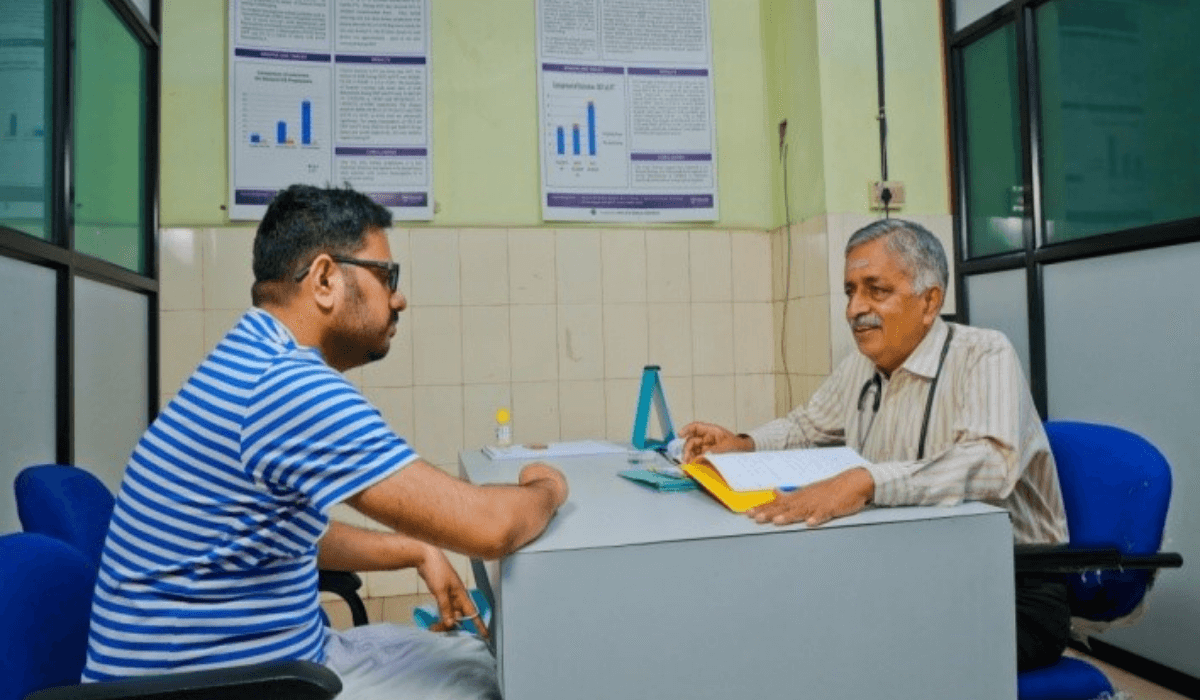
The GTR includes a comprehensive data quality assurance (DQA) program, which is applied to all data entered in the registry. The DQA Program is informed by best practices in the field including the European Medicines Agency’s Data Quality Framework. All data is evaluated on the following quality dimensions:
- Reliability
- Extensiveness
- Coherence
- Timeliness
- Relevance
myGTR
myGTR is a patient engagement tool of the WFH Gene Therapy Registry (GTR). myGTR is designed to collect patient-reported outcome data through an automated digital assistant. Patients will receive alerts via their preferred contact method, either by email or text message to access myGTR. myGTR is a web-based application and is not available in any app store.
myGTR will allow patients to continue providing data on their health status; and health-related quality of life (HR-QOL) in a simple manner. At regular intervals (4 times during the first-year post-infusion, and 2 times per year thereafter ), the patient will be prompted to answer a few simple questions regarding their bleeds and treatment; and two of three different HR-QOL questionnaires, on a rotational basis (see Diagram: myGTR).
The HR-QOL questionnaires include:
- PROBE (Patient Reported Outcomes Burdens, and Experiences): a questionnaire collecting information about quality of life and other areas important to health.
- coreHEM MHO (coreHEM Mental Health Outlook): an instrument to assess mental health outlook of a person with hemophilia who has received gene therapy.
- EQ-5D-5L (EuroQol 5 Dimensions 5 Levels): a short tool used to measure quality of life with five questions related to mobility, self-care, usual activities, pain/discomfort, and anxiety/depression.
Data from myGTR will complement clinical data collected by physicians through the WFH GTR. All data entered in myGTR will be stored in the WFH GTR database.
Diagram: myGTR Questionnaire Cadence

SUPPORT FOR THE GTR COMMUNITY
For more information on participating in the GTR, PWH and HTCs are invited to consult the user guides below:
user Guides
For more information on gene therapy, please visit the WFH Gene Therapy eLearning Centre.
PUBLICATIONS
Publications related to the GTR are available here:
- Konkle, B. A., Coffin, D., Pierce, G. F., Clark, C., George, L., Iorio, A., Mahlangu, J., Naccache, M., O’Mahony, B., Peyvandi, F., Pipe, S., Quartel, A., Sawyer, E. K., Skinner, M. W., Tortella, B., Watson, C., Winburn, I., & Members of the WFH Gene Therapy Registry Steering Committee. (2020). World Federation of Hemophilia Gene Therapy Registry. Haemophilia, 26(4), 555-741, e151-e222. https://doi.org/10.1111/hae.14015
- Konkle, B., Pierce, G., Coffin, D., Naccache, M., Clark, R. C., George, L., Iorio, A., O’Mahony, B., Pipe, S., Skinner, M., Watson, C., Peyvandi, F., Mahlangu, J., for the ISTH Subcommittee on Factor VIII, Factor IX, Rare Bleeding Disorders. (2020). Core data set on safety, efficacy, and durability of hemophilia gene therapy for a global registry: Communication from the SSC of the ISTH. Journal of Thrombosis and Haemostasis, 18(11), 2-3128. https://doi.org/10.1111/jth.15023
- Konkle, B. A., Peyvandi, F., Coffin, D., Naccache, M., Youttananukorn, T., Pierce, G. F., & the WFH Gene Therapy Registry Scientific Advisory Board. (2024). Landmark endorsement of a global registry: The European Medicines Agency (EMA) Committee for Medicinal Products for Human Use (CHMP), publicly endorses World Federation of Hemophilia Gene Therapy Registry as global standard. Haemophilia, 30(1), 1-252. https://doi.org/10.1111/hae.14912
- Miesbach, W., Konkle, B., Chowdary, P., Kaczmarek, R., Leebeek, F., Mahlangu, J., Makris, M., Pipe, S. W., Srivastava, A., Voorberg, J., Pierce, G. F., & Peyvandi, F. (2024).
Recommendations for a minimum data set for monitoring gene therapy in hemophilia: Communication from the ISTH SSC Working Group on Gene Therapy. Journal of Thrombosis and Haemostasis, 22(5), 1510-1515. https://doi.org/10.1016/j.jtha.2023.12.039
CONTACT US
Please contact the GTR team at [email protected].
THANK YOU
THE GTR IS SUPPORTED BY FUNDING FROM:
FOUNDING VISIONARY PARTNERS


ADDITIONAL SUPPORT FOR THE GTR PROVIDED BY: