RECENT NEWS

Visit the WFH News page to find out more about the events and developments that are making a difference today.

Shared decision-making: increasing knowledge and fostering confidence

Shared decision-making: increasing knowledge and fostering confidence

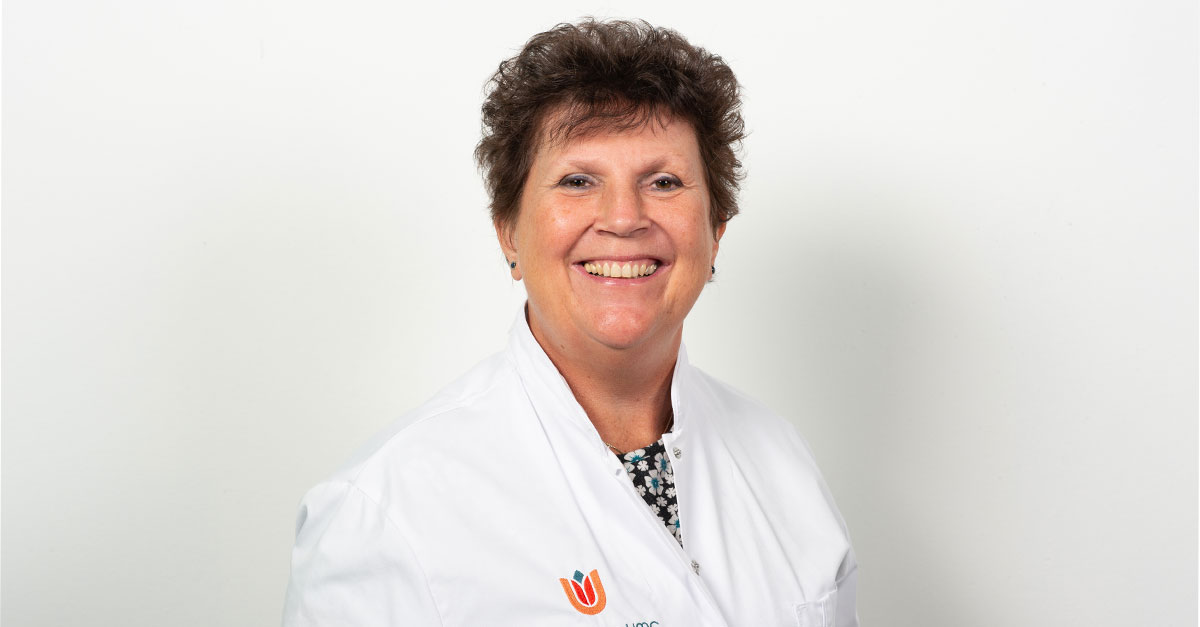
For Marlène Beijlevelt, a Nurse Practitioner specializing in bleeding disorder care in the Amsterdam University Medical Center, Amsterdam, Netherlands, shared decision-making is much more than just a conversation between a patient and a healthcare professional. It’s a continuous journey that empowers patients and families to explore their choices, identify their priorities, and work collaboratively with their healthcare team to make decisions that best align with their individual needs and values.

Also available in: Français Español

Marlène has been using the WFH Shared Decision-Making (SDM) Tool since it was translated into Dutch in 2024. She incorporates the tool into her daily clinical practice whenever people with bleeding disorders (PWBDs) or their families are facing important treatment decisions, particularly during diagnosis, transitions in care, or when considering a new therapy.

Shared decision-making is not a one-time thing. It is a process. You provide information, make sure patients understand it, encourage them to discuss it with their family, and then come back to the conversation. There doesn’t have to be an immediate decision.

—Marlène Beijlevelt, Nurse Practitioner, Amsterdam University Medical Center, Amsterdam, Netherlands

One experience that stands out for Marlène involved a mother who was expecting her second son. Her first child has hemophilia, but she chose not to learn during pregnancy whether her unborn child would also have the condition. Marlène introduced the WFH SDM Tool to the mother so that she could get the latest information about current treatment options, allowing her to explore different avenues at her own pace and feel prepared for different possibilities before her child’s birth. “Even if we don’t yet know whether the baby has hemophilia,” Marlène explained, “having the information beforehand helps families feel prepared instead of overwhelmed.”

Marlène also uses the tool with adolescents transitioning from pediatric to adult care and with PWBDs who may be considering a change in treatment, often sending them the online link before their clinic appointments so they can review the available treatment options in advance. The WFH SDM Tool does not replace a personal conversation with the healthcare team; rather, it helps patients prepare for that conversation, identify what matters most to them, and formulate the questions they want to discuss. “Patients need time to digest the information,” she explains. “Shared decision-making is something you return to throughout life whenever circumstances or treatment options change.”

Marlène believes the WFH SDM Tool benefits healthcare professionals as much as patients. When PWBDs and their caregivers arrive informed, the whole team can engage in more meaningful conversations and make decisions together with greater confidence.

Looking ahead, Marlène hopes to see even broader awareness and adoption of the WFH SDM Tool among healthcare professionals, national member organizations (NMOs), and PWBDs. In the Netherlands, she is involved in an initiative to show that shared decision-making is not an additional burden for healthcare providers—but rather a resource that improves communication and supports better care. By fostering understanding, encouraging open conversations, and respecting each patient’s preferences, the WFH Shared Decision-Making Tool supports rather than replaces the personal dialogue between PWBDs, families, and their healthcare team, helping to make truly patient-centred care possible.

To find out more about the WFH Shared Decision-Making (SDM) Tool, click here.

We like to acknowledge and thank our WFH Corporate Partners, Pfizer, Roche, Sanofi and Sobi for their contributions to the WFH SDM Program.

We’ve accomplished a lot this year, we need your help to continue strong.

Would you like to read more about similar articles?

Disclaimer

The information on the WFH website is provided for general information purposes only. The WFH does not engage in the practice of medicine and under no circumstances recommends particular treatment for specific individuals. For diagnosis or consultation on a specific medical problem, the WFH recommends that you contact your physician or local treatment centre. Before administering any products, the WFH urges patients to check dosages with a physician or hemophilia centre staff, and to consult the pharmaceutical company’s printed instructions.

While every effort has been made to ensure the accuracy of the information on this site, the WFH does not guarantee the information is accurate, and is not responsible in any way whatsoever for damages arising out of the use of this website or any of the information contained herein.

Messages posted to WFH discussion forums, Facebook, Twitter, and other social media platforms do not represent the opinions of the World Federation of Hemophilia, its staff, or Board of Directors. The author of a message is solely responsibility for its content. Information posted on WFH social networks and platforms should never be a substitute for individualized professional medical advice, even when the author has medical qualifications or is considered an authority. Information posted to a discussion group should not be used to diagnose or treat a specific health problem without consulting a qualified healthcare professional. The WFH recommends that you contact your physician or local treatment centre if you have any individual questions or concerns.

References and links to other websites or references to other organizations, products, services, or publications do not constitute endorsement or approval by the WFH. The WFH is not responsible and assumes no liability for the content of any linked websites.

Fraud Alert

Unauthorized solicitations – Warning

The WFH has been made aware of various correspondences—circulated via e-mail and telephone—coming from individuals impersonating WFH staff or falsely stating that they are associated with the WFH. These correspondences, which may seek to obtain money using the name of someone affiliated with the WFH, are fraudulent and come from outside of our organization.

If you receive a suspicious solicitation, exercise extreme caution. In the case of an email, look at the email address to see if it looks suspicious (for example, all WFH emails come from @wfh.org).

We are asking you to remain vigilant, and if you have any doubts about the correspondence, please forward the email to the WFH at [email protected] or call +1 514-875-7944.