In Mexico, the WFH national member organization (NMO)—the Federación de Hemofilia de la República Mexicana (FHRM)—identified the creation of multidisciplinary care teams as a priority for the WFH PACT Program in the country. Since Mexico has a decentralized healthcare system, treatment standards vary across the 131 hemophilia treatment centres (HTCs) in the country. Thus, there is a strong need for consistent, nationwide training of healthcare practitioners (HCPs).
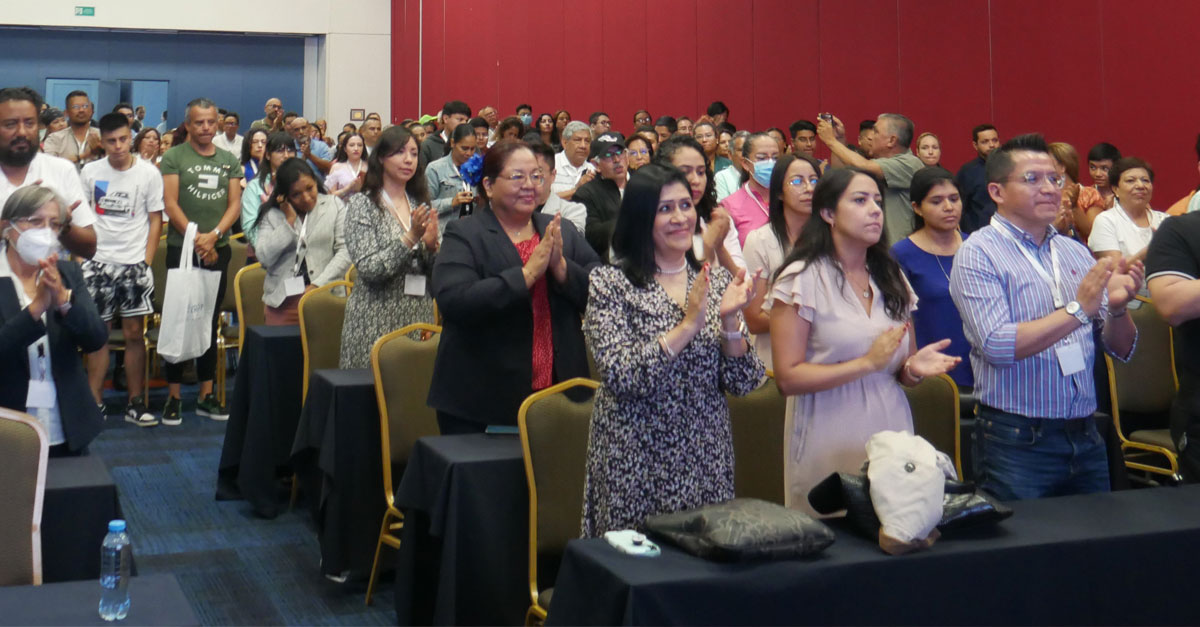
One of the strategies employed to increase capacity levels was to deliver HCP training at the National Hemophilia Congress, a biennial event that brings the bleeding disorders community together to learn and share experiences. Having specialized training for HCPs during the national congress made it possible to train more specialists on the standards of care for PWBDs.
This year, the National Hemophilia Congress was held in August, and focused on musculoskeletal (MSK) care for PWBDs. This topic has been identified as a priority, as there are many PWBDs in Mexico who suffer from joint damage, or who are at risk of having MSK complications due to suboptimal access to treatment. This is in line with findings published in the 2021 Annual Global Survey: only 27% of adults with severe hemophilia were reported as having access to prophylaxis globally.
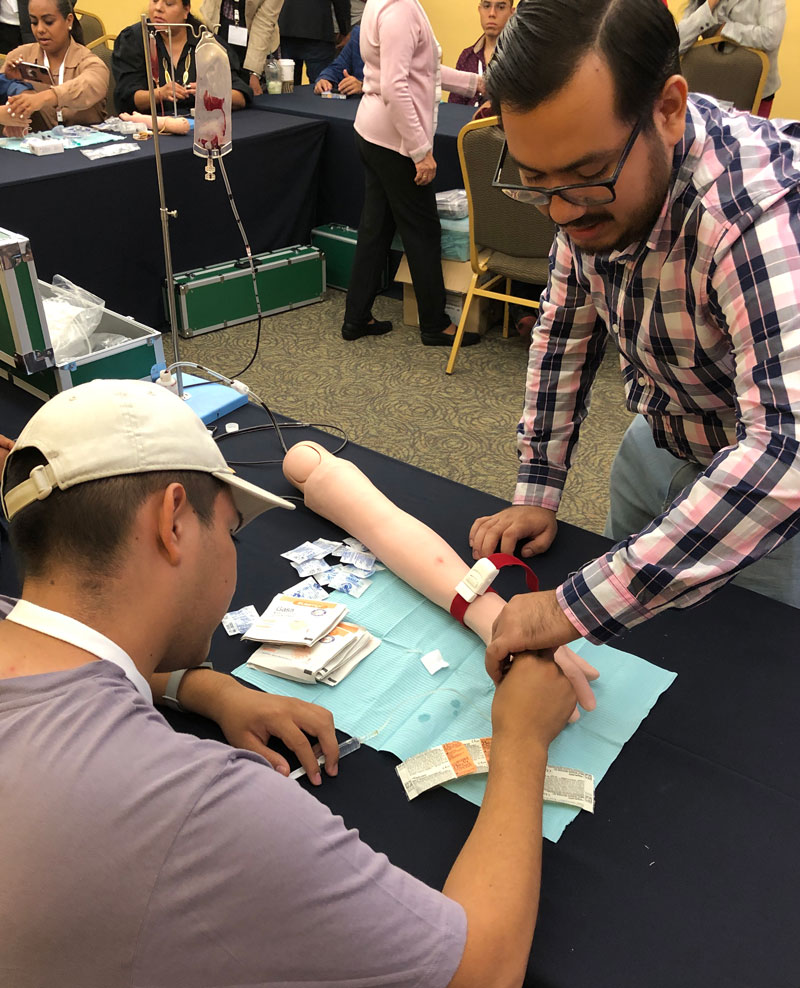
Specialists worked together to develop a scientific program for the workshop. The topics covered included general care, physiotherapy, and training on how to best support PWBDs who have undergone—or who might require —corrective surgery or joint replacement.
Holding a conference for family members and patients in parallel with the Congress allowed us to recognize the most relevant and necessary topics for health professionals. This will allow them to provide adequate care to patients with hemophilia and other coagulopathies in all areas.
—Cecilia Gallardo, volunteer physiotherapist at the FHRM-run Casa de la Hemophilia physiotherapy clinic
Almost 200 medical professionals participated in the training, and plans were made to provide further training to other medical professionals from the same hospitals. Trainers also had the opportunity to perform joint assessments for 40 people out of the 382 PWBDs who attended the event. This assessment helped identify patients who are candidates for surgery, or who require physiotherapy or other simple interventions that are covered in regional hospitals. Unfortunately, in Mexico, there is no standardized guidelines for the management of bleeding disorders, so the FHRM has been advocating for harmonized standards of care across the country based on recommendations from the WFH Guidelines for the Management of Hemophilia, 3rd edition.
“This event has been a milestone in our mission to raise awareness about bleeding disorders and improve the quality of life of PWBDs,” explains Minerva Cruz, President of the Federación de Hemofilia de la República Mexicana. “During the congress, we had the opportunity to bring together patients, families, healthcare professionals and leaders in the field of hemophilia care. Together, we shared knowledge and experiences. This will make a difference in the care and treatment of PWBDs in Mexico.”
The MSK training held as part of the National Hemophilia Congress was supported through the WFH PACT Program. The WFH and the FHRM also used the planning process as an opportunity to strategize on ways to expand medical care in the future— with focus on improving access to multidisciplinary care in HTCs that are dependent on both the public and social security healthcare systems.
To find out more about the WFH Path to Access to Care and Treatment (PACT) Program, please click here.
The PACT Program is supported by funding from Roche and Sanofi, our visionary partners; CSL Behring and Pfizer, our leadership partners; and Bayer, Biotest and Grifols, our collaborating partners.