
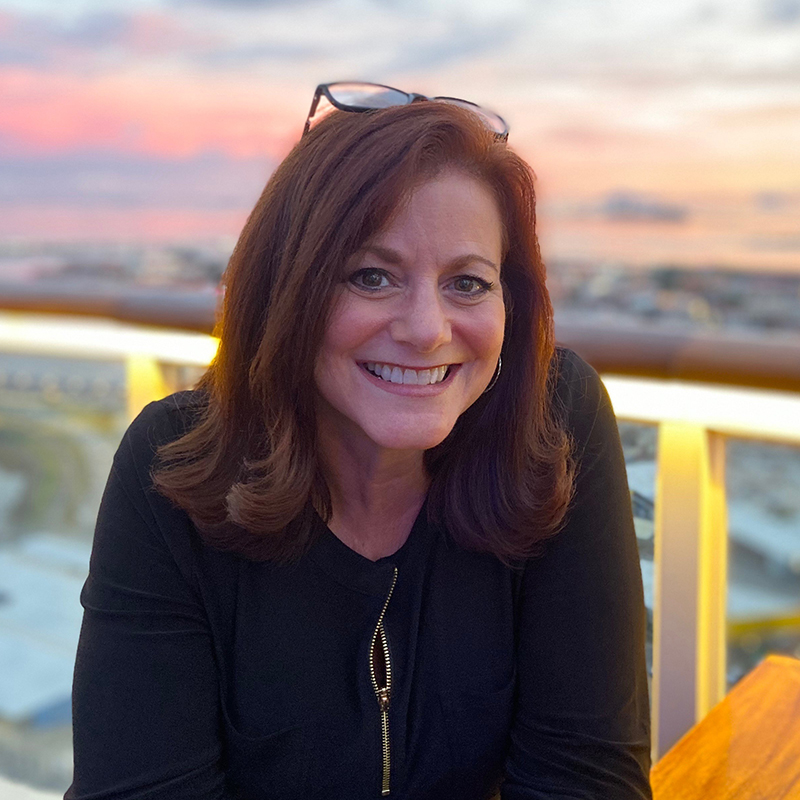
Dawn Rotellini
Chair
U.S.A.
Chair
Dawn Rotellini, Chair, Women and Girls with Bleeding Disorders Committee, World Federation of Hemophilia / Chief Operating Officer, National Bleeding Disorders Foundation, United States
Opening remark
Cesar Garrido, President, World Federation of Hemophilia, Venezuela
WFH Women and Girls with Bleeding Disorders Initiative
Andreina Tovar, Head, Global Development, World Federation of Hemophilia, Canada

This session will dive into the principles of comprehensive and multidisciplinary care for women and girls with bleeding disorders, the comorbidities experienced by them and how a comprehensive approach can help have better health and quality of life outcomes. The session will also present examples of projects aiming to achieve this, their challenges and achievements in their journey. The session will also include the testimonials of women with bleeding disorders trying to have access to multidisciplinary care at their HTCs.
Chair
Roshni Kulkarni, Member, Women and Girls with Bleeding Disorders Committee, World Federation of Hemophilia / Professor and Former Director, Michigan State University Centers for Bleeding and Clotting Disorders, United States
Comprehensive and multidisciplinary care for women and girls
Robert Sidonio, Pediatric Hematologist, Aflac Cancer and Blood Disorders, United States
Kelly Tickle, Pediatric Bleeding Disorder Nurse Practitioner, Children’s Healthcare of Atlanta, United States
Kalinda Woods, Assistant Professor and Distinguished Physician, Emory University School of Medicine Gynecology Lead / Obstetrician Gynecologist, Emory Center for Thrombosis and Hemostasis, United States
Personal experiences
Evelyn Grimberg, Volunteer, Dutch Hemophilia Society, The Netherlands
Abira Maheen, General Secretary and National Women Group Coordinator, Hemophilia Foundation Pakistan, Pakistan
Rebecca Schaffer, DDS, Diplomate, American Board of Orofacial Pain, United States
The impact of iron deficiency is not fully appreciated in hematology. We will discuss management and prevention strategies of anemia for women and girls with bleeding disorders. Initially, iron deficiency anemia can be so mild that it goes unnoticed. But as the body becomes more deficient in iron and anemia worsens, the signs and symptoms intensify and can have a devastating impact on the quality of life for a woman or a girl with a bleeding disorder.
Chair
Michelle Sholzberg, Division Head of Hematology, Medical Director of Coagulation Laboratory, Director of Hemequity Lab & Hematology-Oncology Clinical Research Group, St. Michael’s Hospital / Hematology Departmental Division Director, Alexandra Yeo Chair in Hematology, Associate Professor, University of Toronto, Canada
What are iron deficiency and anemia?
Michelle Sholzberg, Division Head of Hematology, Medical Director of Coagulation Laboratory, Director of Hemequity Lab & Hematology-Oncology Clinical Research Group, St. Michael’s Hospital / Hematology Departmental Division Director, Alexandra Yeo Chair in Hematology, Associate Professor, University of Toronto, Canada
What main symptoms can women and girls with bleeding disorders have?
Marlène Beijlevelt, Vice-chair, Women and Girls with Bleeding Disorders Committee, World Federation of Hemophilia / Haemophilia and Research Nurse, Haemophilia Treatment Centre, Amsterdam University Medical Centre, The Netherlands
What can I do to have a better quality of life?
Paula James, Professor and Deputy Head, Department of Medicine, Division of Hematology, Queen’s University, Canada
Personal experiences
Shauna Adams, Member, Youth Leadership Advisory Committee, World Federation of Hemophilia, Australia
TBC
Shanthi Hegde, Public Health Professional and Patient Advocate / Board Member, Hemophilia Federation of America, United States
Eliza VanZweden, Formulation Scientist and Patient Advocate / Board Member, Hemophilia Foundation of Michigan, United States
This session will discuss the principles of self-advocacy and the importance of information and data to make your case heard. The presenters will also discuss tools that can help in this journey as well as strategies to present yourself as a patient and achieve better care.
Chair
Dawn Rotellini, Chair, Women and Girls with Bleeding Disorders Committee, World Federation of Hemophilia / Chief Operating Officer, National Bleeding Disorders Foundation, United States
What is self-advocacy?
Yannick Collé, Member, WGBD Committee, World Federation of Hemophilia / President, Association française des hémophiles, France
Tips and tools on how to advocate for yourself
Tahira Zafar, Member, Women and Girls with Bleeding Disorders Committee, World Federation of Hemophilia / Professor of Haematology, Consultant Haematologist & Director, Haemophilia Treatment Centre Rawalpindi, Pakistan
Key communication advice for women and girls with bleeding disorders
Amanda Brito del Pino, Member, Women and Girls with Bleeding Disorders Committee, World Federation of Hemophilia / Volunteer, Hemophilia Association of Uruguay, Uruguay
Personal experiences
Paxton Mills, University Student, University of Richmond, United States
Anupama Pattiyeri, Member, Women and Girls with Bleeding Disorders Committee, World Federation of Hemophilia / Doctor, Hemophilia Society Calicut Chapter, India
Noemy Esther Diaz-Burgos, Assistant Teaching Professor, Florida International University, United States
This session focuses on Bleeding Disorders of Unknown Cause (BDUC), offering insights into what BDUC means and how it affects access to care. It explores the challenges of seeking treatment without a formal diagnosis and shares personal experiences to highlight the emotional and advocacy aspects of living with unexplained bleeding. Participants will gain a deeper understanding of how to navigate care and communicate effectively in uncertain diagnostic situations.
Chair
Tahira Zafar, Member, Women and Girls with Bleeding Disorders Committee, World Federation of Hemophilia / Professor of Haematology, Consultant Haematologist & Director, Haemophilia Treatment Centre Rawalpindi, Pakistan
What are bleeding disorders of unknown cause?
Nicola Curry, Associate Professor of Haematology, Oxford University, United Kingdom
How to talk about getting treatment without a diagnosis
Marlène Beijlevelt, Vice-chair, Women and Girls with Bleeding Disorders Committee, World Federation of Hemophilia / Haemophilia and Research Nurse, Haemophilia Treatment Centre, Amsterdam University Medical Centre, The Netherlands
Personal experiences
Marlène Beijlevelt, Vice-chair, Women and Girls with Bleeding Disorders Committee, World Federation of Hemophilia / Haemophilia and Research Nurse, Haemophilia Treatment Centre, Amsterdam University Medical Centre, The Netherlands
Peta Dixon, Trustee and Young Ambassador, The Haemophilia Society, United Kingdom
WFH Women and girls with bleeding disorders committee
This session explores the cultural and societal challenges that make it difficult to discuss female health topics openly. It highlights the importance of supportive family communication, especially around carrier status, menstruation, and intimacy. Through expert insights and a panel discussion, participants will gain tools to foster open, respectful dialogue within families and communities.
Chair
Patrick James Lynch, Co-Founder & Chief Executive Officer, Believe Limited, United States
Barriers women and girls with bleeding disorders face
Roshni Kulkarni, Member, Women and Girls with Bleeding Disorders Committee, World Federation of Hemophilia / Professor and Former Director, Michigan State University Centers for Bleeding and Clotting Disorders, United States
Dads to daughters supporting conversations about carrier status and bleeding
Kathaleen Schnur, Clinical Social Worker, Hemophilia Center of Western Pennsylvania, United States
This is embarrassing… How to create a healthy space for conversations about intimacy for young women with bleeding disorders
Jane Portnoy, Social Worker, Ronald Sawers Haemophilia Centre, The Alfred, Australia
Panel discussion on overcoming barriers societies face in discussing female topics openly
Chatowa Naomi Kawonga, Medical Student, University of Zambia, Zambia
Tsute Mwale, Board Member, Haemophilia Foundation of Zambia & Zambia Childhood Cancer Foundation, Zambia
Noemy Esther Diaz-Burgos, Assistant Teaching Professor, Florida International University, United States
Daniel Hartmann, United States
Lauren Phillips, Member, WGBD Committee, World Federation of Hemophilia / Board Member, Youth, Haemophilia Foundation of New Zealand, New Zealand
Utilizing the five social determinants of health, global bleeding disorder nurses will identify the non-medical factors that influence health outcomes. These determinants refer to the conditions in which people are born, grow, live, work, and age — all of which have a significant impact on individual and community well-being. By recognizing and addressing these non-medical influences, bleeding disorder nurses around the world can contribute to more equitable and holistic care strategies that go beyond clinical interventions, ultimately improving health outcomes for women and girls living with bleeding disorders.
Chair
Marlène Beijlevelt, Vice-chair, Women and Girls with Bleeding Disorders Committee, World Federation of Hemophilia / Haemophilia and Research Nurse, Haemophilia Treatment Centre, Amsterdam University Medical Centre, The Netherlands
Social determinants of health, African perspective
Cyrus Githinji Njuguna, Nurse, Moi Teaching and Referral Hospital / Secretary, Board of Directors, Kenya Hemophilia Association, Kenya
Social determinants of health, Asian perspective
Anjalin D’souza, Assistant Professor-selection Grade, Manipal College of Nursing, MAHE / Nurse Coordinator, HTC Kasturba Hospital Manipal, Karnataka, India
Social determinants of health, South American perspective
Marcela Ganzella Sisdelli, Registered Nurse, Hemocentro de Ribeirao Preto, Brazil
Personal experiences
Yujie Zuo, Huazhong University of Science and Technology, China
Wajiha Javaid, Finance Secretary, Hemophilia Foundation Pakistan, Pakistan
Nikole Scappe-Hagen, Manager of Education, National Bleeding Disorders Foundation, United States
This session will walk us through the initiatives that the WFH has launched to improve data collection for women and girls with bleeding disorders and explain step by step how national member organizations (NMOs) can initiate data collection efforts. The session will also highlight the importance of data collection for advocacy purposes and the use of WFH tools to do so. An overview of how women and girls with bleeding disorders are currently represented in the data will follow together with experiences from different countries on data collection, their use for advocacy and outcomes.
Chair
Donna Coffin, Director, Data and Research, World Federation of Hemophilia, Canada
WFH Global data collection initiatives
Donna Coffin, Director, Data and Research, World Federation of Hemophilia, Canada
What you need to know to initiate data collection
Ellia Tootoonchian, Data and Research Manager, World Federation of Hemophilia, Canada
What role can NMOs play in data collection?
Emna Gouider, Vice-president, National Member Organization, World Federation of Hemophilia, Tunisia
Where and how are women and girls with bleeding disorders represented in the data?
Roshni Kulkarni, Member, Women and Girls with Bleeding Disorders Committee, World Federation of Hemophilia / Professor and Former Director, Michigan State University Centers for Bleeding and Clotting Disorders, United States
Nigerian experience
Megan Adediran, Executive Director, Haemophilia Foundation of Nigeria, Nigeria
Canadian experience
Sarah Ford, Chief Executive Officer, Canadian Hemophilia Society, Canada
During this session the WFH VP NMO will discuss the importance of community when it comes to raising awareness and advocating for women and girls with bleeding disorders and the key role of the NMO as a representative of that community. The session will present examples of services NMOs can offer to women and girls with bleeding disorders and include initiatives within the structure of the NMOs. A number of countries will present about the services they are providing to women and girls with bleeding disorders, how the NMO decided to implement these projects and their outcomes so far.
Chair
Amanda Brito del Pino, Member, Women and Girls with Bleeding Disorders Committee, World Federation of Hemophilia / Volunteer, Hemophilia Association of Uruguay, Uruguay
NMOs and their role in supporting women and girls with bleeding disorders
Emna Gouider, Vice-president, National Member Organization, World Federation of Hemophilia, Tunisia
NMO experience: Kyrgyzstan
Aizat Aidarbekova, Member, Women and Girls with Bleeding Disorders Committee, World Federation of Hemophilia / Volunteer, Kyrgyz Hemophilia Society, Kyrgyzstan
NMO experience: Pakistan
Masood Fareed Malik, Chief Executive Officer, Hemophilia Foundation Pakistan, Pakistan
NMO experience: Australia
Suzanne O’Callaghan, Policy Research and Education Manager, Haemophilia Foundation Australia, Australia
NMO experience: Paraguay
Leticia Benítez, Medical Commission Member, ASOHEMO, Paraguay

Interpretation available in English, Spanish, French, Arabic, Russian, German, Portuguese, Chinese (Mandarin), Hindi and Urdu
All times are listed in eastern daylight time (EDT)
Program is subject to change
Chair
U.S.A.
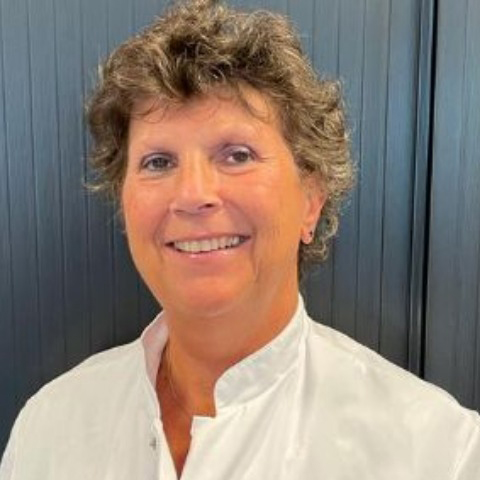
Vice-chair
The Netherlands
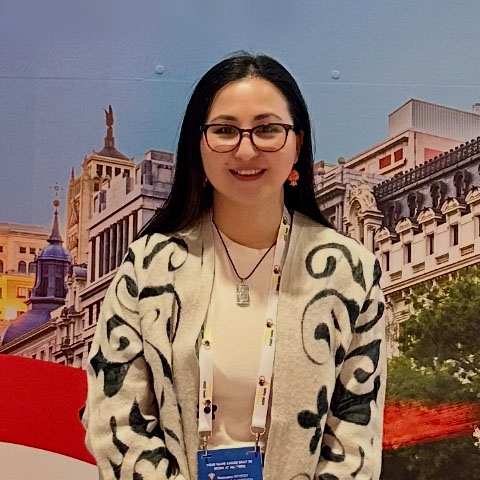
Committee member
Kyrgyzstan
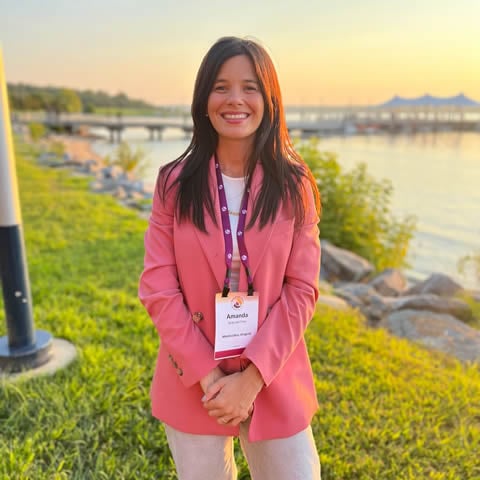
Committee member
Uruguay
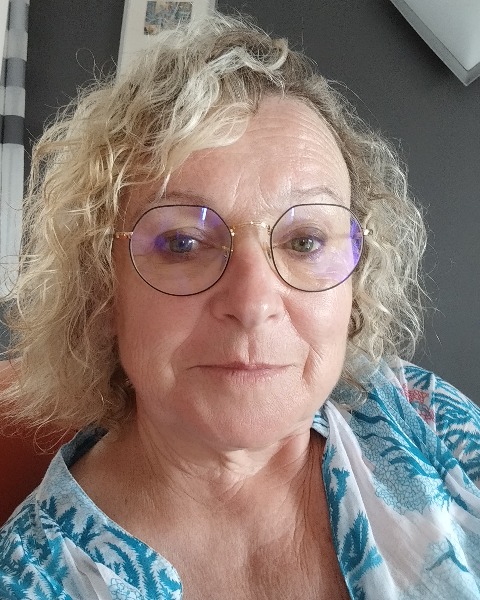
Committee member
France
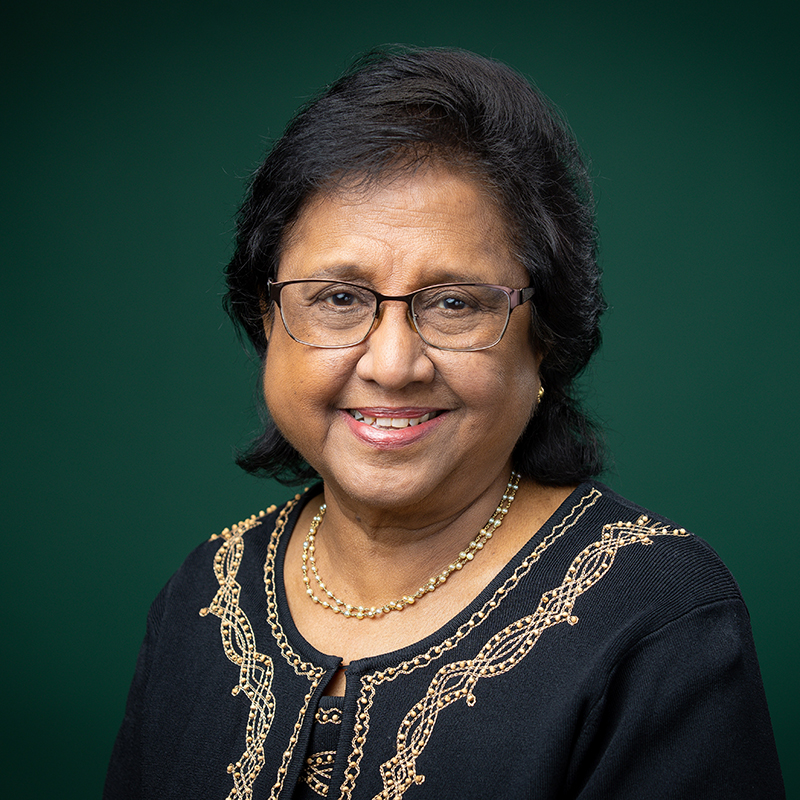
Committee member
U.S.A.
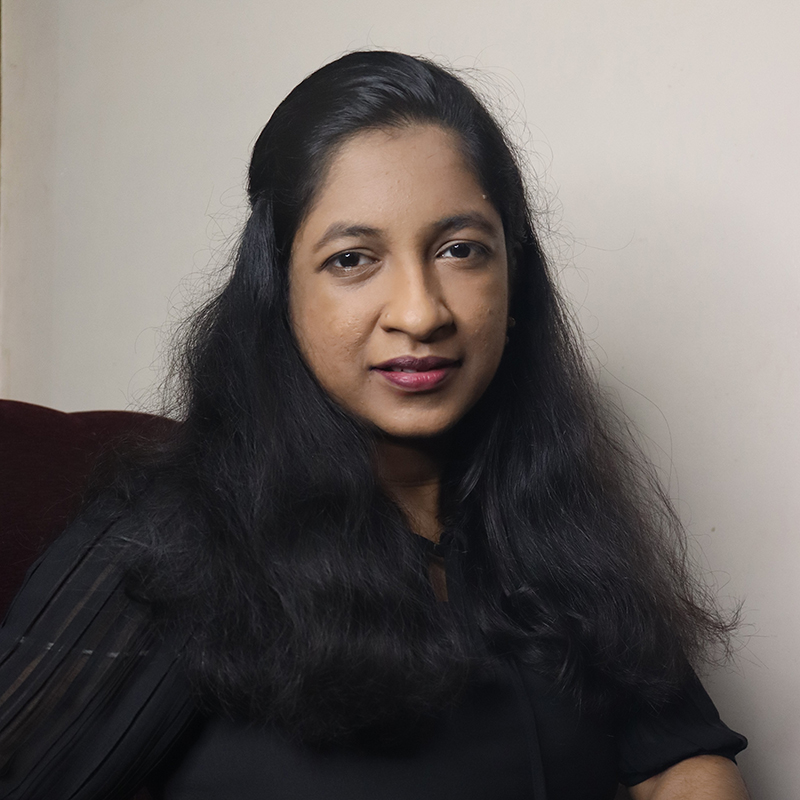
Committee member
India
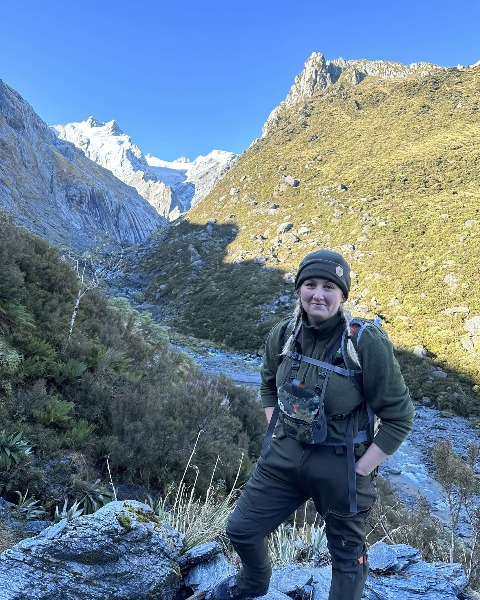
Committee member
New Zealand
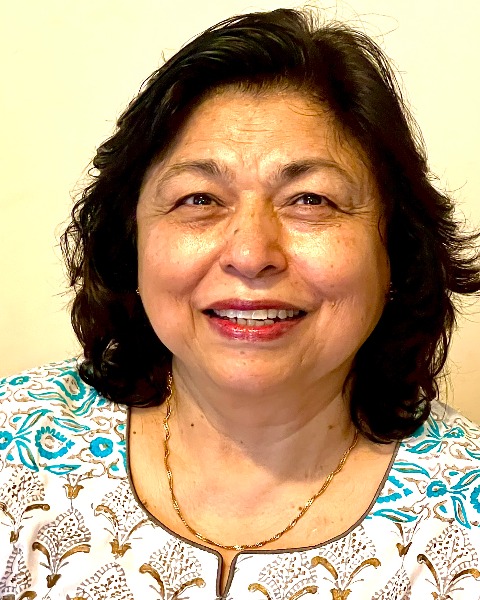
Committee member
Pakistan
Gibsonia, United States
The Netherlands
Kyrgyzstan
Uruguay
France
U.S.A.
India
New Zealand
Pakistan