In January, the WFH Humanitarian Aid Program team went to Senegal to evaluate the Program’s activities there. They saw that predictable factor donations and training are having a real impact on the community. They saw how the Program brings patients, healthcare professionals and government officials together. The results were encouraging—and made a powerful case for providing PWBDs with consistent access to care.
Predictable WFH Humanitarian Aid Program donations mean healthcare practitioners can plan ahead and use donations in the most efficient way possible—and not only deal with emergency situations as they arise. Donations allow healthcare practitioners to treat patients, control bleeding episodes, prevent bleeding episodes, manage major surgeries, and manage major traumas. All of this leads to a greater quality of life for PWBDs, and it also leads to a lesser overall burden to governments because acute bleeds are reduced. Furthermore, because bleeding disorders are now seen as treatable condition in the general population, people who may have been reluctant to seek a diagnosis before now feel more inclined to visit a healthcare practitioner for help. All these developments are helping to build a powerful argument that the community is using to advocate with the Senegalese government.
When patients say that the [treatment] product helps them, this allows us to develop a case we can use to convince the government. The government can see that these products are usable, and effective… so we have a strong argument to ask them to be much more involved in the supply of factor.
—Saliou Diop, MD, Director, Centre National de Transfusion Sanguine (National Blood Transfusion Centre), Dakar
Predictable factor donations also allow PWBDs to receive prophylaxis, which further reduces hospital stays and improves quality of life. Another benefit is the fact that the community finally has the option of doing outreach and identification campaigns to find more people who might have a bleeding disorder. These campaigns are being led by several stakeholders, including a hemophilia treatment centre (HTC), the National Blood Transfusion Centre, and the national member organization (NMO) in Senegal, the Association Sénégalaise des Hémophiles.
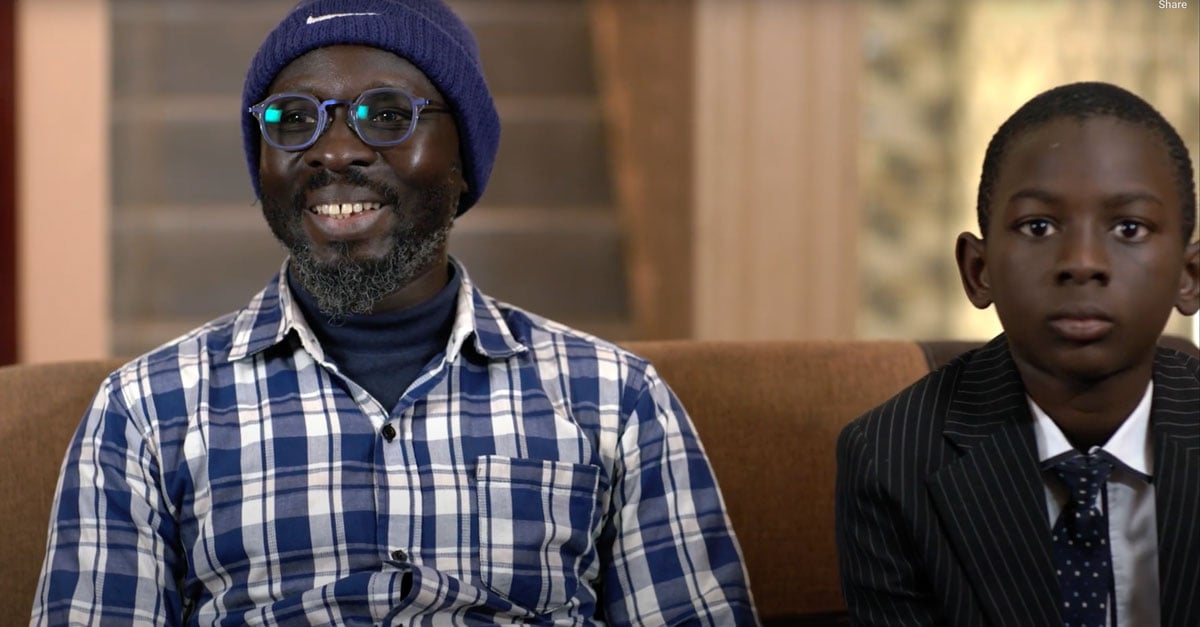
This increased awareness is saving lives—including that of Moustapha, an 11-year-old with severe hemophilia A. When he was two years old, Moustapha hit his head. Because the bleeding wouldn’t stop, his parents brought him to a hospital where he received several blood transfusions over three days. On the third day he was brought to the National Blood Transfusion Centre thanks to a physician who was aware of the signs of a bleeding disorder. There, tests showed that Moustapha had hemophilia. A nurse gave him factor, and his bleeding stopped almost immediately. “Like a miracle, a lady came, and gave him a shot, and the bleeding stopped,” his father explains. “That day, I believed in magic!”
PWBDs can only get optimal care if governments are able to provide clotting factor and non-replacement therapies to them in quantities that are sufficient to help them avoid any bleeding episodes. And healthcare providers need to be trained on how to use the products as efficiently as possible. The WFH Humanitarian Aid Program is working with the Ministry of Health and Social Action, the NMO, HTCs, and other organizations to make this possible so that the country can be fully self-sustaining. There is still a long way to go—but progress is being made.
Since 2015, nearly 11 million IUs of factor have been donated to Senegal. Just over 1.2 million IUs of factor were donated in 2022 alone, along with almost 73,000 mg of non-factor replacement therapy. To find out more about the WFH Humanitarian Aid Program, please click here.
About the WFH Humanitarian Aid Program
The WFH Humanitarian Aid Program improves the lack of access to care and treatment by providing much-needed support for people with inherited bleeding disorders in developing countries. By providing patients with a more predictable and sustainable flow of humanitarian aid donations, the WFH Humanitarian Aid Program makes it possible for patients to receive consistent and reliable access to treatment and care. None of this would be possible without the generous support of Sanofi and Sobi, our Founding Visionary Contributors; Bayer, CSL Behring and Roche, our Visionary Contributors; Grifols, our Leadership Contributor; and Takeda and Japan Blood Products Organization, our Contributors. To learn more about the WFH Humanitarian Aid Program, visit www.treatmentforall.org.