Acerca de
Nuestra Labor
Datos y herramientas
Eventos
Noticias
Argentina-case-study---Comite-Mujeres-Activas-header

Apoyo a la identificación de MNTC a través de múltiples esfuerzos

La Federación Mundial de Hemofilia (FMH) calcula que todavía no se ha identificado ni diagnosticado a más del 75% de las personas que se espera vivan con hemofilia en todo el mundo. Las tasas de identificación y diagnóstico son todavía menores en el caso de mujeres con trastornos de la coagulación, entre ellas mujeres con hemofilia, quienes históricamente han sido vistas solamente como portadoras. Sin un diagnóstico exacto, estas personas carecen de la oportunidad de tener acceso a atención y tratamiento adecuados. Por esta razón, la FMH ha encabezado diversas actividades a fin de incrementar la identificación de mujeres y niñas con trastornos de la coagulación (MNTC). El año pasado, la FMH obtuvo varios logros para este grupo vulnerable de la comunidad mundial de trastornos de la coagulación.

También disponible en: English Français

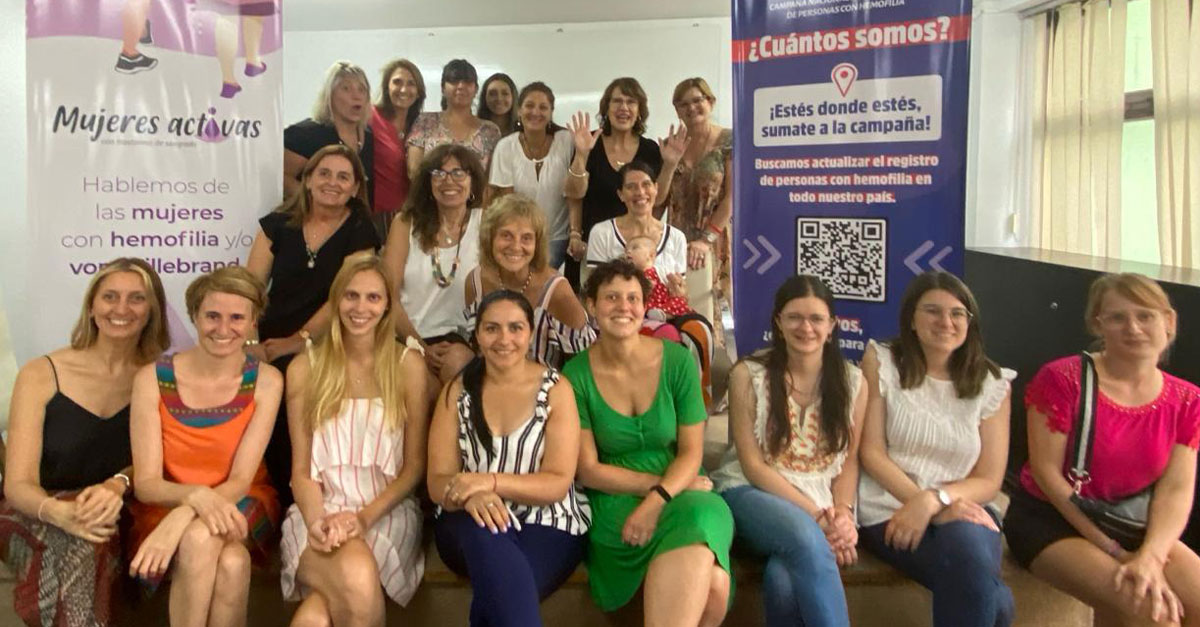
En 2023, la FMH ayudó a mejorar la identificación de MNTC a través de diversas iniciativas. Una colaboración con el Comité femenil de la Fundación de Hemofilia argentina ayudó a triplicar el número de MNTC inscritas al Registro Argentino de Trastornos de la Coagulación (HArgentina), alcanzando más de 300 personas en tan solo dos años. Este logro fue posible gracias a varias campañas de concientización, talleres, y a la reunión nacional inaugural de mujeres con trastornos de la coagulación. El Programa de la FMH de subvenciones para el desarrollo y el Programa de la FMH de Acceso a Atención y Tratamiento (PACT por su sigla en inglés) también desempeñaron un papel importante en el apoyo a MNTC, así como a la comunidad de trastornos de la coagulación en general, en Argentina durante el 2023.

Otra iniciativa clave encabezada por la FMH para apoyar la identificación de MNTC fue la adición de un módulo a su Registro Mundial de Trastornos de la Coagulación (RMTC) con el propósito de recolectar datos sobre personas con enfermedad de Von Willebrand (PCEVW). En el 2023 se sumaron al RMTC más de 1,000 PCEVW –entre ellas más de 500 mujeres y niñas– de 46 centros de tratamiento de hemofilia (CTH) en 22 países. Estos datos serán valiosos no solamente para el tratamiento médico, sino también a fin de identificar brechas en la atención en torno al diagnóstico y la disponibilidad del tratamiento. Los datos también funcionarán como elemento esencial para iniciativas de cabildeo sobre MNTC.

Si desea conocer más sobre el Programa PACT de la FMH haga clic aquí. Para saber más acerca del Programa de la FMH de subvenciones para el desarrollo haga clic aquí. Para obtener más información respecto al RMTC de la FMH haga clic aquí.


We’ve accomplished a lot this year, we need your help to continue strong.

Would you like to read more about similar articles?

Disclaimer

The information on the WFH website is provided for general information purposes only. The WFH does not engage in the practice of medicine and under no circumstances recommends particular treatment for specific individuals. For diagnosis or consultation on a specific medical problem, the WFH recommends that you contact your physician or local treatment centre. Before administering any products, the WFH urges patients to check dosages with a physician or hemophilia centre staff, and to consult the pharmaceutical company’s printed instructions.

While every effort has been made to ensure the accuracy of the information on this site, the WFH does not guarantee the information is accurate, and is not responsible in any way whatsoever for damages arising out of the use of this website or any of the information contained herein.

Messages posted to WFH discussion forums, Facebook, Twitter, and other social media platforms do not represent the opinions of the World Federation of Hemophilia, its staff, or Board of Directors. The author of a message is solely responsibility for its content. Information posted on WFH social networks and platforms should never be a substitute for individualized professional medical advice, even when the author has medical qualifications or is considered an authority. Information posted to a discussion group should not be used to diagnose or treat a specific health problem without consulting a qualified healthcare professional. The WFH recommends that you contact your physician or local treatment centre if you have any individual questions or concerns.

References and links to other websites or references to other organizations, products, services, or publications do not constitute endorsement or approval by the WFH. The WFH is not responsible and assumes no liability for the content of any linked websites.

Fraud Alert

Unauthorized solicitations – Warning

The WFH has been made aware of various correspondences—circulated via e-mail and telephone—coming from individuals impersonating WFH staff or falsely stating that they are associated with the WFH. These correspondences, which may seek to obtain money using the name of someone affiliated with the WFH, are fraudulent and come from outside of our organization.

If you receive a suspicious solicitation, exercise extreme caution. In the case of an email, look at the email address to see if it looks suspicious (for example, all WFH emails come from @wfh.org).

We are asking you to remain vigilant, and if you have any doubts about the correspondence, please forward the email to the WFH at [email protected] or call +1 514-875-7944.