RECENT NEWS

Visit the WFH News page to find out more about the events and developments that are making a difference today.

479AAE80-8D50-4D91-BE1E-5A64CF55C4F9

Behind the lens: WFH Humanitarian Aid Program videos

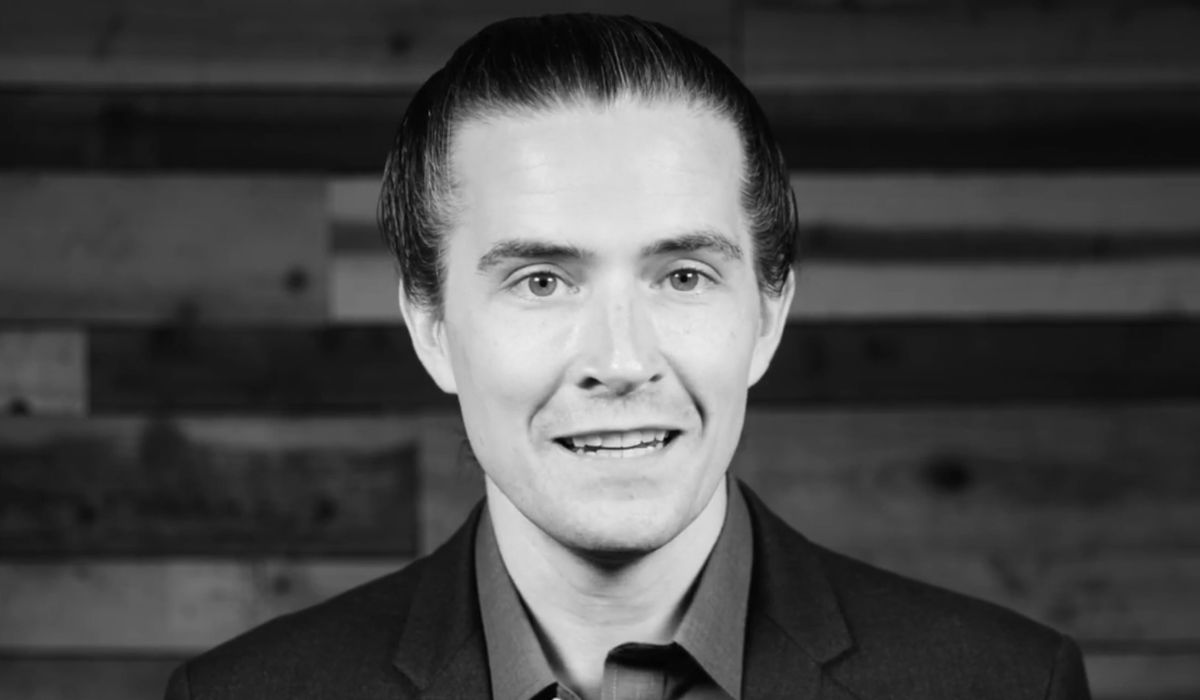
Since 2015, the WFH Humanitarian Aid Program has collaborated with Believe Limited to develop a series of videos illustrating the impact the WFH Humanitarian Aid Program is making around the world by supporting medical facilities and patients to help make sustainable care possible. Patrick James Lynch is the CEO of Believe Limited—and someone with severe hemophilia A. For him, the experience of working on these videos has been a very personal one, and a very touching one.

Also available in: Français Español Русский

Because he was born in the U.S.A, Lynch has access to a high level of care—much higher than what most people with a bleeding disorder (PWBD) have in other countries. For example, he lives a normal life, while worldwide, half of all people with severe hemophilia die by age ten. And those who survive often experience a lifetime of hardship. As someone who feels that PWBDs are “blood brothers and sisters”, he is driven to play a part in the WFH vision of Treatment for All. In fact, it was his determination to support the people of his community that led him to found Believe Limited.

In the video below, Lynch covers some of the enriching experiences he had while making the videos for the WFH Humanitarian Aid Program. He reveals some of the thoughts PWBDs in developing countries shared with him, such as the need for advocacy and the need for people to come together to support each other. He also recounts one touching instance where a hematologist wanted to take a picture of him to show his patients that it’s possible to develop normally and live a normal life if one has access to factor and care.

The WFH Humanitarian Aid Program provides predictable and sustainable treatment for those who need it most, and is also a valuable tool to promote diagnosis and incentivize governments to invest in bleeding disorders care. Through treatment product donations and robust training, the Program is helping to improve care globally for the bleeding disorders community.

In the video, Lynch concludes by saying that although life for a person with a PWBD is challenging in many countries, there’s still hope. “The question isn’t whether or not you should you care… the question is what does care look like. And I dare you to dream big. Because my blood brothers and sisters and I… we’re worth it.”

About the WFH Humanitarian Aid Program

The WFH Humanitarian Aid Program improves the lack of access to care and treatment by providing much-needed support for people with inherited bleeding disorders in developing countries. By providing patients with a more predictable and sustainable flow of humanitarian aid donations, the WFH Humanitarian Aid Program makes it possible for patients to receive consistent and reliable access to treatment and care. None of this would be possible without the generous support of Sanofi and Sobi, our Founding Visionary Contributors; Bayer, CSL Behring and Roche, our Visionary Contributors; Grifols, our Leadership Contributor; and Takeda, our Contributor. To learn more about the WFH Humanitarian Aid Program, visit www.treatmentforall.org
We’ve accomplished a lot this year, we need your help to continue strong.

Would you like to read more about similar articles?

Disclaimer

The information on the WFH website is provided for general information purposes only. The WFH does not engage in the practice of medicine and under no circumstances recommends particular treatment for specific individuals. For diagnosis or consultation on a specific medical problem, the WFH recommends that you contact your physician or local treatment centre. Before administering any products, the WFH urges patients to check dosages with a physician or hemophilia centre staff, and to consult the pharmaceutical company’s printed instructions.

While every effort has been made to ensure the accuracy of the information on this site, the WFH does not guarantee the information is accurate, and is not responsible in any way whatsoever for damages arising out of the use of this website or any of the information contained herein.

Messages posted to WFH discussion forums, Facebook, Twitter, and other social media platforms do not represent the opinions of the World Federation of Hemophilia, its staff, or Board of Directors. The author of a message is solely responsibility for its content. Information posted on WFH social networks and platforms should never be a substitute for individualized professional medical advice, even when the author has medical qualifications or is considered an authority. Information posted to a discussion group should not be used to diagnose or treat a specific health problem without consulting a qualified healthcare professional. The WFH recommends that you contact your physician or local treatment centre if you have any individual questions or concerns.

References and links to other websites or references to other organizations, products, services, or publications do not constitute endorsement or approval by the WFH. The WFH is not responsible and assumes no liability for the content of any linked websites.

Fraud Alert

Unauthorized solicitations – Warning

The WFH has been made aware of various correspondences—circulated via e-mail and telephone—coming from individuals impersonating WFH staff or falsely stating that they are associated with the WFH. These correspondences, which may seek to obtain money using the name of someone affiliated with the WFH, are fraudulent and come from outside of our organization.

If you receive a suspicious solicitation, exercise extreme caution. In the case of an email, look at the email address to see if it looks suspicious (for example, all WFH emails come from @wfh.org).

We are asking you to remain vigilant, and if you have any doubts about the correspondence, please forward the email to the WFH at [email protected] or call +1 514-875-7944.