RECENT NEWS

Visit the WFH News page to find out more about the events and developments that are making a difference today.

19th NTGT workshop kicks off in Montreal

19th NTGT workshop kicks off in Montreal

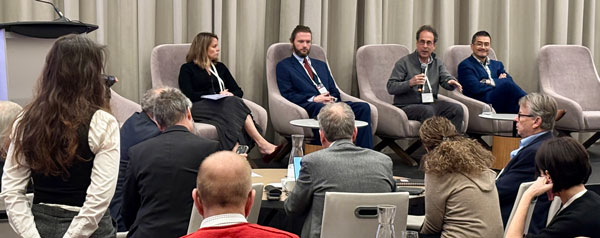
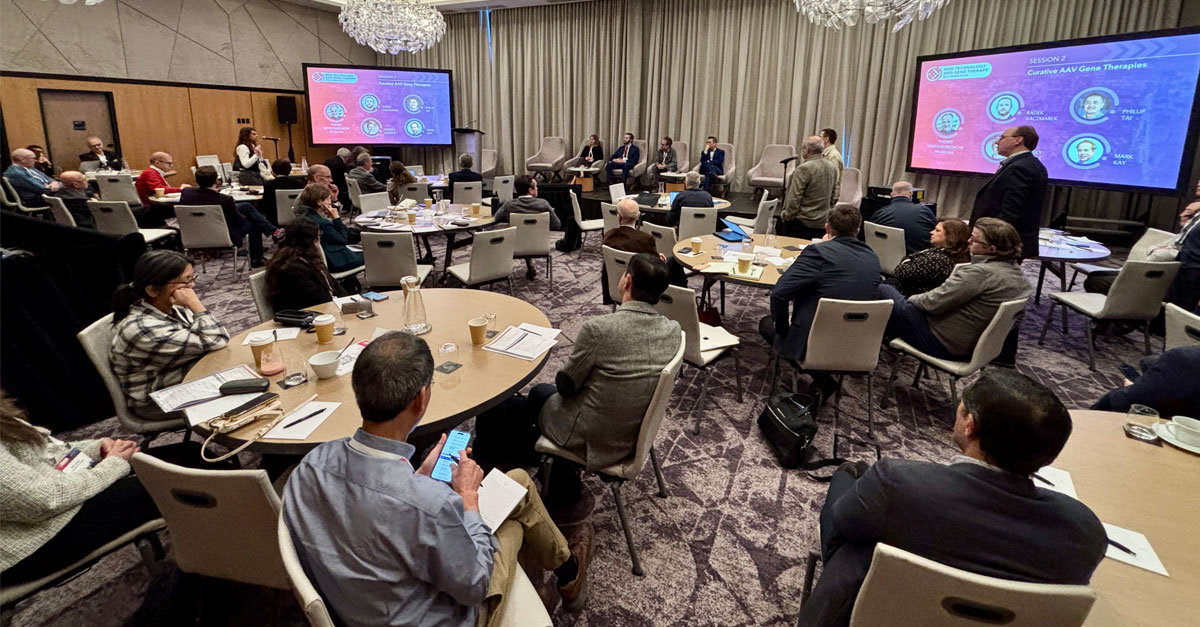
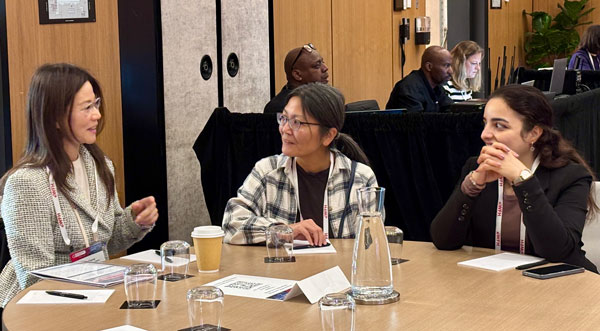
Today, the World Federation of Hemophilia (WFH) marked 30 years of scientific innovation with the start of the 19th New Technology and Gene Therapy (NTGT) Workshop in Montreal, Canada. Experts from around the world are in the city on November 12 to 13, 2026 to explore the latest developments in hemophilia treatment and research.

Here is a summary of what happened at the 19th New Technology and Gene Therapy (NTGT) Workshop today, November 12, 2026.

Session 1 – Welcome and “New Protein Technologies”

The workshop opened with a look back at 30 years of innovation, from viral vectors and factor proteins to non-factor therapies and gene therapy. Speakers noted that current treatments greatly reduce bleeding but do not fully eliminate it. New factor VIII mimetics and rebalancing agents continue to improve protection, while gene therapy remains more predictable in hemophilia B than hemophilia A. Discussion focused on safety, thrombosis risk, treatment switching and how bleeding outcomes should be measured.

Session 2 – “Curative AAV Gene Therapies”

This session reviewed progress and remaining challenges in adeno-associated virus (AAV) gene therapy. Hemophilia B programs have shown durable expression, while factor VIII gene therapy remains more variable, with declining expression and liver-related concerns. Speakers explored the biology behind these differences, vector composition, immune responses and potential genotoxicity. Discussion emphasized the importance of improving vector design, understanding long-term expression and increasing transparency around results from discontinued gene therapy programs.

Session 3 – “Other delivery systems”

Speakers explored alternative gene-delivery technologies designed to improve targeting, safety, durability and the potential for redosing. Approaches included retrotransposon-based gene insertion, targeted lipid nanoparticles, plasmid electroporation, ultrasound-activated microbubbles, synthetic capsids and engineered AAV variants. Discussion focused on how these platforms reach different cell types, how long expression may last and how safety can be improved compared with conventional AAV-based approaches.

Session 4 – “Gene Editing”

The Gene Editing session reviewed CRISPR-based technologies, including nucleases, base editing and prime editing, and their potential applications in bleeding disorders. Examples included personalized editing approaches, hemophilia A therapies and correction of von Willebrand disease in preclinical models. Speakers also addressed unintended genetic changes, off-target risks, pediatric considerations and evolving regulatory guidance, while expressing cautious optimism about the potential for durable and scalable gene-editing therapies.

To find out more about the 19th New Technology and Gene Therapy (NTGT) Workshop, click here.
We’ve accomplished a lot this year, we need your help to continue strong.

Would you like to read more about similar articles?

Disclaimer

The information on the WFH website is provided for general information purposes only. The WFH does not engage in the practice of medicine and under no circumstances recommends particular treatment for specific individuals. For diagnosis or consultation on a specific medical problem, the WFH recommends that you contact your physician or local treatment centre. Before administering any products, the WFH urges patients to check dosages with a physician or hemophilia centre staff, and to consult the pharmaceutical company’s printed instructions.

While every effort has been made to ensure the accuracy of the information on this site, the WFH does not guarantee the information is accurate, and is not responsible in any way whatsoever for damages arising out of the use of this website or any of the information contained herein.

Messages posted to WFH discussion forums, Facebook, Twitter, and other social media platforms do not represent the opinions of the World Federation of Hemophilia, its staff, or Board of Directors. The author of a message is solely responsibility for its content. Information posted on WFH social networks and platforms should never be a substitute for individualized professional medical advice, even when the author has medical qualifications or is considered an authority. Information posted to a discussion group should not be used to diagnose or treat a specific health problem without consulting a qualified healthcare professional. The WFH recommends that you contact your physician or local treatment centre if you have any individual questions or concerns.

References and links to other websites or references to other organizations, products, services, or publications do not constitute endorsement or approval by the WFH. The WFH is not responsible and assumes no liability for the content of any linked websites.

Fraud Alert

Unauthorized solicitations – Warning

The WFH has been made aware of various correspondences—circulated via e-mail and telephone—coming from individuals impersonating WFH staff or falsely stating that they are associated with the WFH. These correspondences, which may seek to obtain money using the name of someone affiliated with the WFH, are fraudulent and come from outside of our organization.

If you receive a suspicious solicitation, exercise extreme caution. In the case of an email, look at the email address to see if it looks suspicious (for example, all WFH emails come from @wfh.org).

We are asking you to remain vigilant, and if you have any doubts about the correspondence, please forward the email to the WFH at [email protected] or call +1 514-875-7944.