About World Hemophilia Day
Since 1989, patient groups worldwide have annually marked World Hemophilia Day on April 17 to raise the awareness and understanding of hemophilia and other bleeding disorders. The date was chosen in honour of WFH founder Frank Schnabel, who was born on that day.
World Hemophilia Day aims to:
- Promote the importance of taking coordinated and concerted actions to achieve the WFH vision of “Treatment for all”
- Draw attention to the key issues and put hemophilia and bleeding disorders in the spotlight
2026 theme
On April 17, 2026, the global inherited bleeding disorders community will come together on World Hemophilia Day to advocate for all inherited bleeding disorders. This year’s theme of “Diagnosis: First step to care” highlights the critical importance of diagnosis—the essential first step in treatment and care.
The WFH estimates that over three-quarters of the population of people with hemophilia worldwide are undiagnosed, and an even more significant gap also exists for other bleeding disorders. This means that hundreds of thousands of people with bleeding disorders around the world still lack access to basic care. We have the power—and the shared commitment—to change this. We can improve diagnostic outcomes by strengthening the skills of healthcare professionals and enhancing the effectiveness of laboratories. By increasing global diagnosis rates, we can move one step closer to our shared vision of Treatment for All.
Use the following hashtags on social media to join the conversation
- #WorldHemophiliaDay
- #WHD2026
- #LightItUpRed
- #WeBleedToo
Be part of “Light It Up Red”
Every year, hundreds of landmarks “Light It Up Red” in a show of solidarity with the global bleeding disorders community. Here are some ways you can be part of this campaign:
- Wear something red at home and share a selfie on social media
- Challenge your coworkers or schoolmates to post a picture of themselves wearing red for the day—or post a picture collage of everyone in your organization wearing red!
- Post pictures of landmarks you see lit up in red on social media and use hashtag #LightItUpRed
- See the full list of landmarks lighting up red here
- If you’re aware of a landmark that is lighting up red for World Hemophilia Day that is not on this list, please forward the official confirmation from the landmark to [email protected] to have it added
Spread the word
There are many ways you can spread the word in your community. Here are just a few:
- Share the World Hemophilia Day website: worldhemophiliaday.org
- Like, share and retweet WFH World Hemophilia Day-related posts on social media
- Share the World Hemophilia Day official poster (click on “Download Materials”)
- Share our World Hemophilia Day resources on your website or through social media
- Share the World Hemophilia Day story site—which also accepts video submissions!
Examples of social media posts
Here are some social media posts you can use for your own campaigns:
- #WorldHemophiliaDay is April 17! Learn more about this historic day at wfh.org/whd and download your own #WHD2026 poster!
- #WorldHemophiliaDay is about celebrating the bleeding disorders community. Retweet/share if someone in your family is living with #hemophilia. #WHD2026
- Mark your calendars! April 17th is #WorldHemophiliaDay. How will you be celebrating? I will be…
- #WHD2026 is a day for everyone to learn more about the critical importance of diagnosis. Join the movement and learn more about #hemophilia on the WFH eLearning centre: wfh.org/education-and-elearning
- This #WorldHemophiliaDay share YOUR story! Submit your story or video message to the #WHD2026 video series here: whdstories.wfh.org
- We are now just a few weeks away from #WorldHemophiliaDay! This year, #WHD2026 will rally our community around the theme “Diagnosis: First step to care” We will focus on sharing our stories how women and girls are affected by #BleedingDisorders . Share your story at whdstories.wfh.org
- It’s here! Today is #WorldHemophiliaDay: a day dedicated to celebrating our community around the world! We’ve shared our story with the community, and you can too at wfh.org/whd
The WFH advocacy toolkit
There are many ways you can bring attention to hemophilia and other inherited bleeding disorders in your local and global community to raise awareness of the need for inclusion in national policy. This article covers many of them, but you can also get more information using the World Hemophilia Day Advocacy Toolkit. This handy guide will show you how to best use social media, how to organize an event, how to act locally—and more! Download it here (look under “Advocacy toolkit”).
Send a letter to a government official
One way to help make a difference this World Hemophilia Day is to contact government officials and policymakers with a letter. A small personal note from someone from the community can often be the first step on a journey that can lead to major change. The WFH has a template letter that you can adapt to your needs. The letter covers everything you need to know, including:
- Opening the letter with an official address
- Explaining the purpose of your letter
- Explaining your concern related to inherited bleeding disorders
- Using personal or relevant stories and examples
- Acknowledging any past support
- Describing what action you hope the official will take
- Proposing how you or your organization can help
You can download the letter template here (look under “Government letter”) which you can use at a starting point.
The World Hemophilia Day story site offers you the opportunity to share your story—either in written or video form—about how a bleeding disorder has impacted you or a loved one. The site is also a great way to discover stories about how bleeding disorders have affected other people and their loved ones.
To access the World Hemophilia Day story site, click here.
Note: the content published on the World Hemophilia Day story site has been uploaded by third parties and is not representative of nor endorsed by the World Federation of Hemophilia.
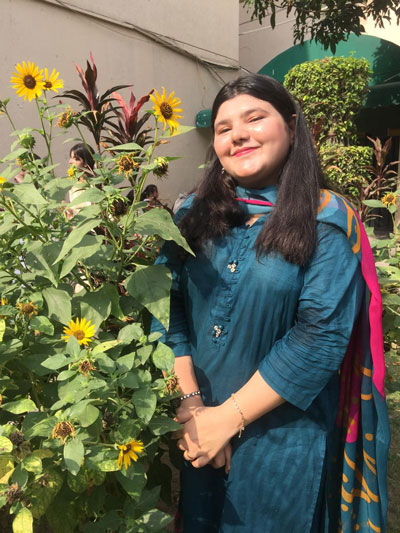 | Muhiba Amir My name is Muhiba Amir. I’m 18 years old. I’m a patient of VWD. I am a pre-med student at the Punjab group of colleges. I was diagnosed with VWD when I was 6 months old. Due to the support of my parents and family, I managed my studies along with VWD. My teachers were also very cooperative. Now… I enjoy a better lifestyle with VWD because I can get information from the hemophilia patients welfare society in Lahore. Read Muhiba Amir’s story here. |
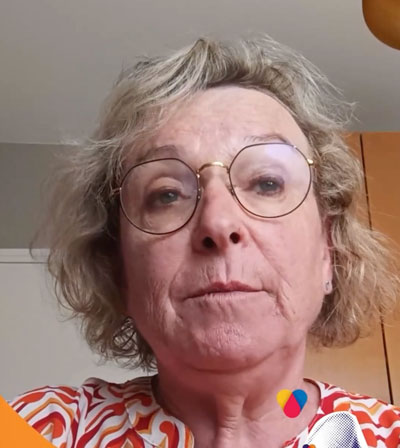 | Yannick Collé Hello, my name is Yannick, I’m 61 and now I know that I’m living with mild hemophilia A. I will speak about my journey for recognition. Years of wondering; I lived for years with symptoms, bruises… Then 10 years ago, some hematologists started to say that women and girls have symptoms which look like those of hemophiliacs. For me the end of years of wondering—I was nearly 60. Now I can say I am living with my hemophilia A and can be treated and cared by HCPs. I hope that all women and girls with bleeding disorders could now be diagnosed, cared and treated without years of wondering. Watch Yannick Collé’s video and read her story here. |
 | Mohamad Abdulkader Lababidi My Name is Mohamad Abdulkader Lababidi. I was born and raised in Aleppo, Syria—a city once celebrated for its ancient citadels and bustling markets, now scarred by war. My life has been a relentless dance between two forces: “hemophilia”, a genetic disorder I inherited, and the chaos of a conflict that turned streets into battlegrounds. These twin struggles have shaped who I am, but they have not defined my limits. Read Mohamad Abdulkader Lababidi’s story here. |
To access the World Hemophilia Day story site, click here.
Download everything you need to populate your feed with World Hemophilia Day content and stories! The following shareable images and content are available here in English, French and Spanish:
- Poster
- Website banner
- Email signature graphic
- “How to get involved” one-pager
- “Light it up Red” sample letter
- Advocacy toolkit detailing more ways to get involved
- Instagram graphic templates
- Social media cover photos and graphics
- And more!
Access these free downloads here.