Nigeria-header

WBDR improves care and data collection in Lagos, Nigeria

At the Lagos University Teaching Hospital Haemophilia Treatment Centre (HTC) in Lagos, Nigeria, clinical management was based mainly on presumptions for many years.

Also available in: Français

At the Lagos University Teaching Hospital Haemophilia Treatment Centre (HTC) in Lagos, Nigeria, clinical management was based mainly on presumptions for many years. Although laboratory facilities were available, most people with hemophilia (PWH) in the region could not afford the cost of testing, so initial diagnoses were based mainly on clinical history and therapeutic trials with factor VIII or IX concentrate. Consequently, the severity level and inhibitor status of patients at the HTC was unknown. This situation persisted until 2018, when the Lagos University Teaching Hospital HTC was a provided funding to conduct a study through the Research Support Program (RSP) of the World Federation of Hemophilia (WFH) World Bleeding Disorders Registry (WBDR). Now, the HTC is able to accurately diagnose PWH, determine the severity of their hemophilia and their inhibitor status, and accurately record data.

The World Bleeding Disorders Registry (WBDR) Research Support Program is designed to motivate and support HTCs to collect, analyze and use their WBDR data. In the case of the Lagos University Teaching Hospital HTC, the support made it possible for the organization to correctly diagnose PWH through laboratory testing, compile complete clinical and bio-demographic data, and use the WBDR to then house that data. Having a system like the WBDR is crucial in Nigeria, because the country does not have a national data registry.

The project began by identifying and diagnosing additional PWH, and determining their hemophilia type, severity and inhibitor status. Through the RSP, the HTC was able to purchase lab kits, and set up a weekly bleeding disorder clinic at the HTC. These efforts had immediate results: in 2018, there were 12 PWH registered in the WBDR in Lagos. This figure increased to 77 PWH in 2020.

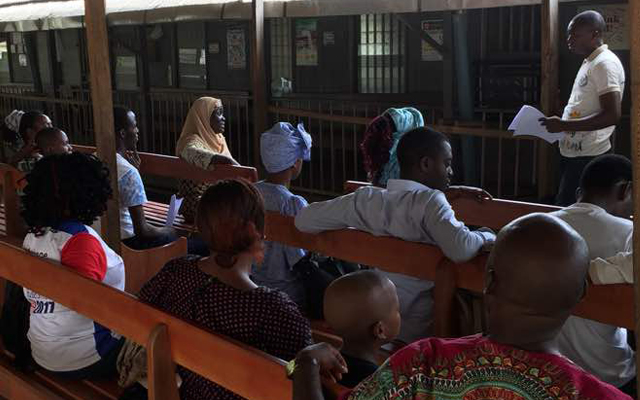
Next, the clinical and bio-demographic data of patients were entered into the WBDR. Finally, the HTC was able to organize two meetings to educate PWH on hemophilia care, and the importance of regular follow-up visits and annual blood work to verify inhibitor status. The PWH were also educated on the benefit of the WBDR as a systematic registry.

The Research Support Program of the WBDR had a major impact on the quality of life of PWH in Lagos. The RSP allowed the Lagos University Teaching Hospital Haemophilia Treatment Centre (HTC) to both improve diagnosis and care, and also significantly improve data collection.

To find out more about the WFH WBDR Research Support Program, please click here.

We’ve accomplished a lot this year, we need your help to continue strong.

Would you like to read more about similar articles?

Disclaimer

The information on the WFH website is provided for general information purposes only. The WFH does not engage in the practice of medicine and under no circumstances recommends particular treatment for specific individuals. For diagnosis or consultation on a specific medical problem, the WFH recommends that you contact your physician or local treatment centre. Before administering any products, the WFH urges patients to check dosages with a physician or hemophilia centre staff, and to consult the pharmaceutical company’s printed instructions.

While every effort has been made to ensure the accuracy of the information on this site, the WFH does not guarantee the information is accurate, and is not responsible in any way whatsoever for damages arising out of the use of this website or any of the information contained herein.

Messages posted to WFH discussion forums, Facebook, Twitter, and other social media platforms do not represent the opinions of the World Federation of Hemophilia, its staff, or Board of Directors. The author of a message is solely responsibility for its content. Information posted on WFH social networks and platforms should never be a substitute for individualized professional medical advice, even when the author has medical qualifications or is considered an authority. Information posted to a discussion group should not be used to diagnose or treat a specific health problem without consulting a qualified healthcare professional. The WFH recommends that you contact your physician or local treatment centre if you have any individual questions or concerns.

References and links to other websites or references to other organizations, products, services, or publications do not constitute endorsement or approval by the WFH. The WFH is not responsible and assumes no liability for the content of any linked websites.

Fraud Alert

Unauthorized solicitations – Warning

The WFH has been made aware of various correspondences—circulated via e-mail and telephone—coming from individuals impersonating WFH staff or falsely stating that they are associated with the WFH. These correspondences, which may seek to obtain money using the name of someone affiliated with the WFH, are fraudulent and come from outside of our organization.

If you receive a suspicious solicitation, exercise extreme caution. In the case of an email, look at the email address to see if it looks suspicious (for example, all WFH emails come from @wfh.org).

We are asking you to remain vigilant, and if you have any doubts about the correspondence, please forward the email to the WFH at [email protected] or call +1 514-875-7944.