IDENTIFICATION AND DIAGNOSIS
Identification and diagnosis
The WFH estimates that over 75% of expected people living with hemophilia worldwide have not yet been identified and diagnosed. Identification and diagnosis rates are even lower for women with bleeding disorders and for those with von Willebrand disease (VWD) and other rare bleeding disorders. Disparities also exist among various regions of the world, with fewer patients identified and diagnosed in lower-income countries. Without accurate diagnosis, those affected have no chance of accessing adequate treatment and care.
OUTREACH AND DIAGNOSIS INITIATIVE
In 2024, the WFH will launch an initiative to specifically address outreach and diagnosis opportunities. More information coming soon.
The Outreach and Diagnosis Initiative is supported by funding from:

CORNERSTONE INITIATIVE
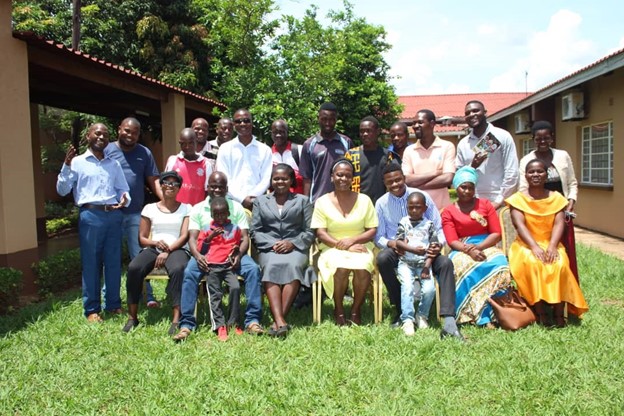
In many countries with limited resources, diagnosis, treatment and care for people with inherited bleeding disorders is limited or not available at all. The WFH Cornerstone Initiative aims to close the gap in treatment by providing support, expertise, and training to countries with minimal levels of care. Countries that have completed the Initiative become eligible for the full range of programs and activities offered by the WFH.
To become a Cornerstone Initiative country, applicants must meet several criteria.
Country status
- Country with associate NMO status
- Located in an underserved region or country (mainly countries in Sub-Saharan Africa and Asia)
Eligibility
- Low gross national income (GNI) of less than US$1,500
- Inaccurate diagnosis or no diagnosis at all for PWBDs
- Limited or low level of clotting factor concentrate (CFC) supply of 0 to 0.1 IUs per capita
For more information about the Cornerstone Initiative, contact us at [email protected].
A Cornerstone Initiative country project is implemented for a period of up to four years, depending upon the needs of the country, the goals of the program, the level of success reached, and the amount of funding. The process is carried out in three phases.
- Assessment. During the assessment phase, the WFH gathers information and establishes an ongoing working relationship with the patient organization and healthcare professionals. The WFH then conducts a site visit to identify local needs and priorities, and define program objectives.
- Implementation. The WFH implements planned activities that address specific areas that need to be supported and strengthened. Progress is monitored and evaluated on an annual basis by program staff and expert volunteers.
- Phase-out. Once the country’s objectives have been reached—and the results are considered sustainable—the WFH begins a gradual phase-out of the Cornerstone Initiative. Participating countries that have demonstrated the motivation and the potential to improve bleeding disorders care can then apply for other WFH development programs.
The Cornerstone Initiative is currently active in the following countries: Tanzania, Mozambique, Benin, Mauritania, Madagascar and Tajikistan.
You can help build infrastructure and provide training to ensure that basic diagnosis and bleeding disorders treatment is available in some of the most underserved countries and regions in the world. To learn more, click here.
The WFH Cornerstone Initiative is supported by funding from:

LABORATORY QUALITY CONTROL
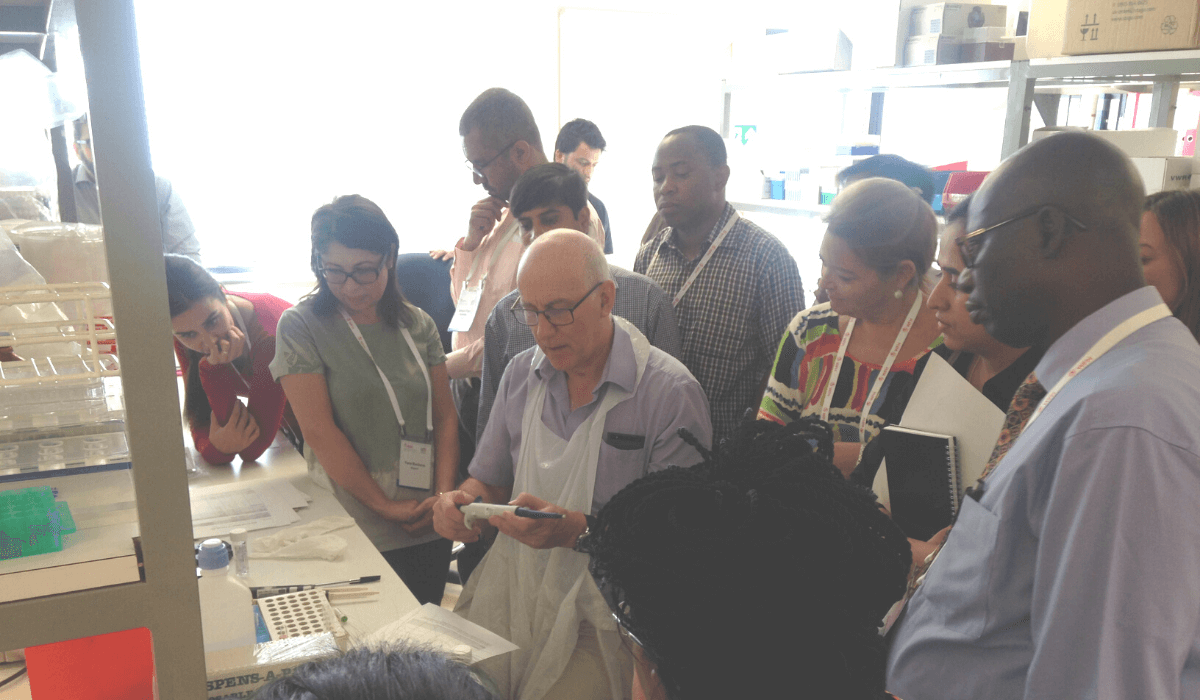
The International External Quality Assessment Scheme (IEQAS) improves and standardizes laboratory diagnosis by auditing the effectiveness of a laboratory’s internal quality assurance systems to determine competence levels. Laboratories can participate in this program to assess their quality assurance systems and the reliability of their test results.
IEQAS is supported by funding from:

IEQAS is operated by the United Kingdom’s National External Quality Assessment Scheme (U.K. NEQAS) for Blood Coagulation, based in Sheffield, U.K. IEQAS has been inspected by the United Kingdom Accreditation Service (UKAS) Ltd., and has been granted full ISO 17043 accreditation for all listed tests. For more information, consult the U.K. NEQAS website.
Registration is open to all laboratories worldwide that are involved in bleeding disorders care. The WFH offers sponsorship to some laboratories in low income and lower middle income countries, and sponsored laboratories are required to share their data with the WFH. Participation in the program is kept strictly confidential between the laboratory and the program organizers.
Laboratories interested in joining IEQAS should contact the WFH at [email protected].
Laboratories are chosen based on their involvement in the diagnosis of hemophilia and other inherited bleeding disorders. Generally, there is one main reference laboratory per country enrolled in IEQAS. However, in larger countries several laboratories may enroll in the scheme.
Each December, the WFH IEQAS Committee considers new applications from laboratories interested in participating, and reviews laboratories already enrolled in the program that wish to continue their participation in the scheme. Those selected to participate for the upcoming year will be contacted by the WFH. Selected laboratories will be asked to submit a form to the WFH confirming their enrollment. All new laboratories will also be asked to complete a questionnaire.
The enrollment fee is £375 per year, per centre, for the cost of three surveys. For more information on IEQAS, please refer to the Participant’s Manual & General Information 2025-2026 document or contact the WFH at [email protected].
Did you know?
The WFH Humanitarian Aid Program improves the lack of access to care and treatment by providing much-needed support to NMOs, HTCs, and HCPs in emerging countries.
Stay informed
Keep up to date on the latest developments in the bleeding disorders community, from medical advances to important events.