WBDR regional data workshop brings data into action

WBDR regional data workshop brings data into action

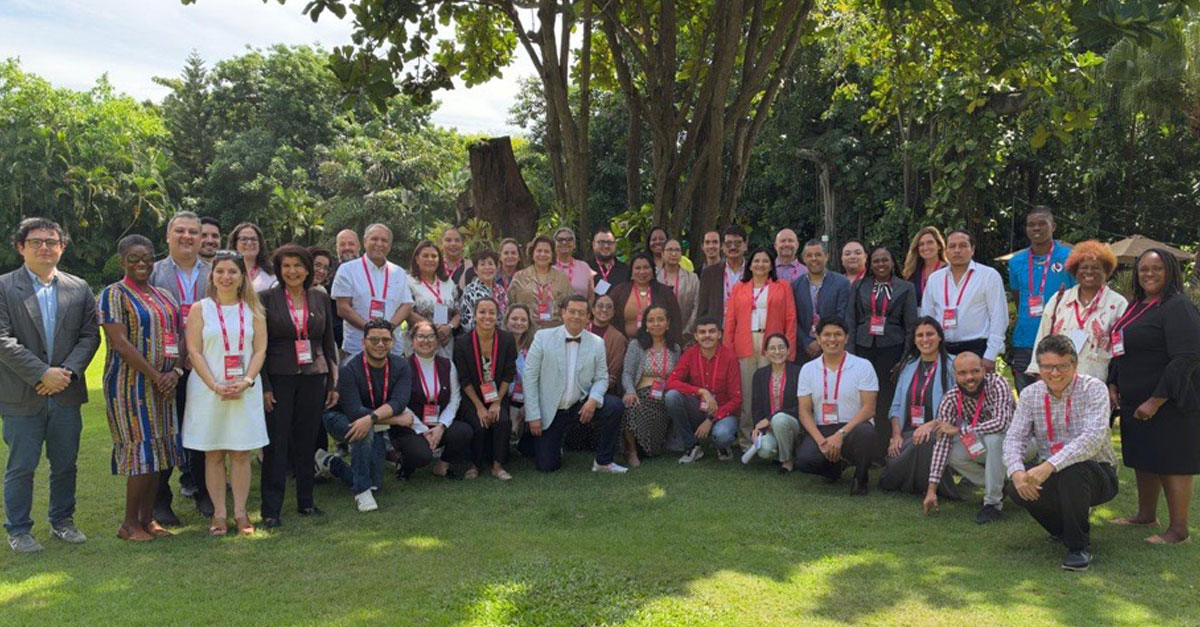
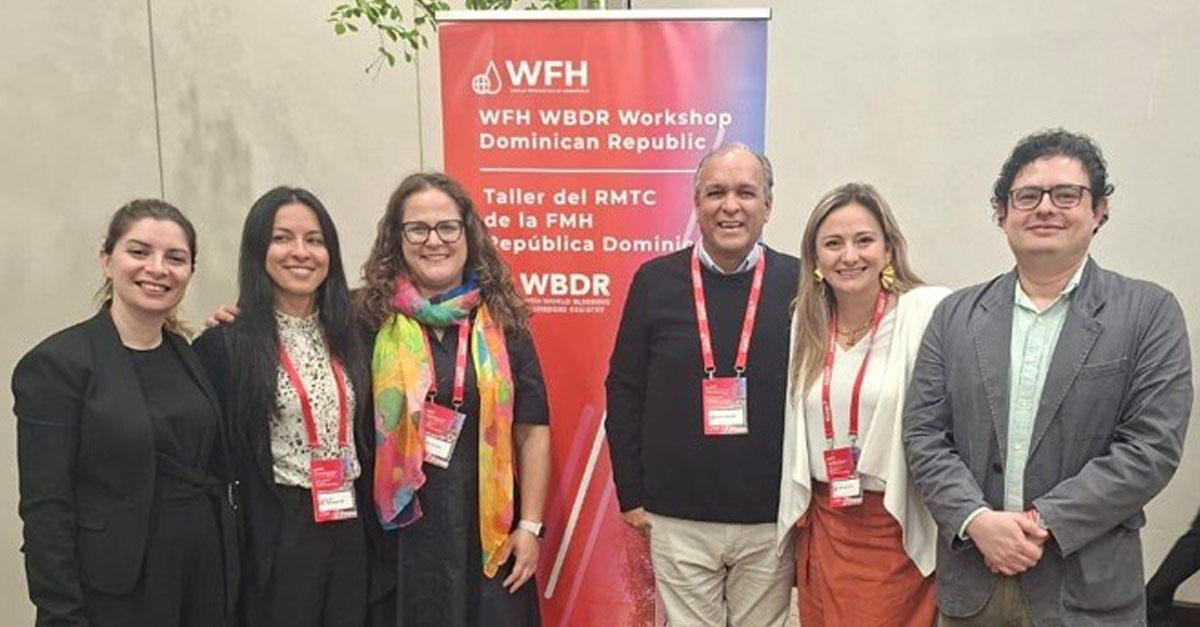
Healthcare professionals and patient organization representatives from across Central and South America and the Caribbean gathered on October 31 and November 1 in Santo Domingo, Dominican Republic, to explore how World Bleeding Disorders Registry (WBDR) data can be used to advance research, inform advocacy, and improve care for people with bleeding disorders.

Also available in: Español

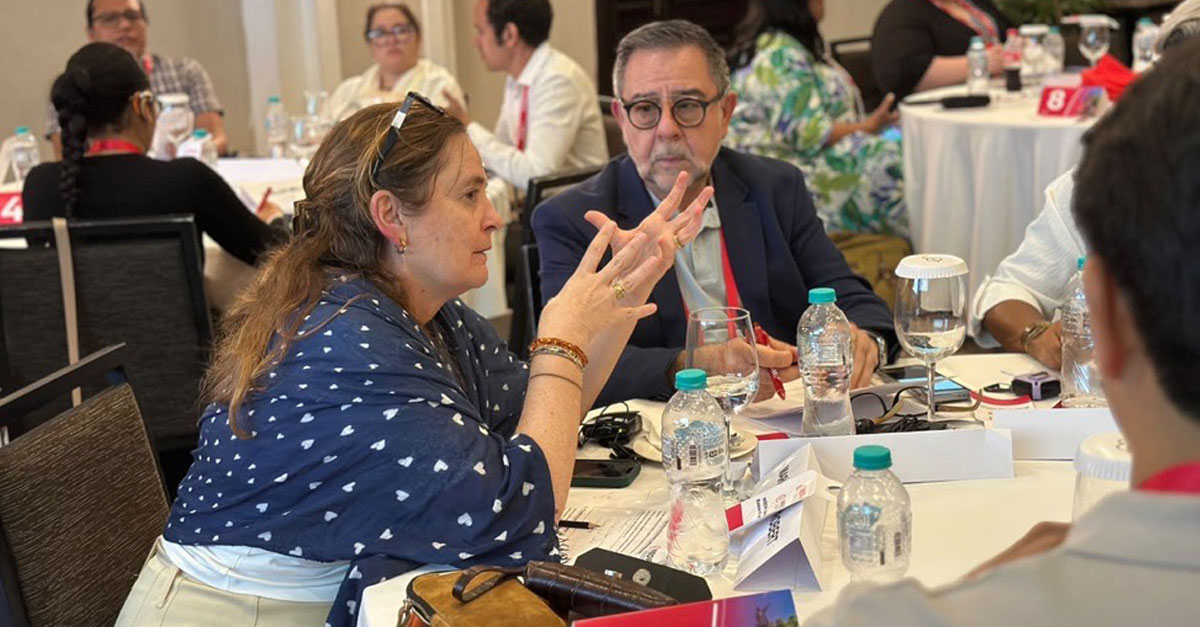
Workshop participants received practical training on research methodology, development of research proposals, scientific publication, and the use of data to answer clinically relevant questions. Interactive sessions encouraged collaboration and knowledge sharing, while country presentations highlighted their experiences and lessons learned from implementing the World Bleeding Disorders Registry (WBDR) in the region.

The workshop also explored how data can be used to support evidence-based advocacy. Through expert presentations, group discussions, and hands-on exercises, participants developed advocacy strategies aimed at improving access to diagnosis, treatment, and care for people with bleeding disorders. Regional priorities and opportunities for collaboration were also identified.

Throughout the two-day workshop, participants gained practical skills to transform WBDR data into evidence that can inform research, advocacy, and health policy in the region.

To find out more about the WFH World Bleeding Disorders Registry (WBDR), click here.

The WBDR regional data workshop was made possible through the support of WDBR Visionary Partner, Hemophilia of Georgia; Collaborating Partners, Pfizer and Roche; and Novo Nordisk.
We’ve accomplished a lot this year, we need your help to continue strong.

Would you like to read more about similar articles?

Disclaimer

The information on the WFH website is provided for general information purposes only. The WFH does not engage in the practice of medicine and under no circumstances recommends particular treatment for specific individuals. For diagnosis or consultation on a specific medical problem, the WFH recommends that you contact your physician or local treatment centre. Before administering any products, the WFH urges patients to check dosages with a physician or hemophilia centre staff, and to consult the pharmaceutical company’s printed instructions.

While every effort has been made to ensure the accuracy of the information on this site, the WFH does not guarantee the information is accurate, and is not responsible in any way whatsoever for damages arising out of the use of this website or any of the information contained herein.

Messages posted to WFH discussion forums, Facebook, Twitter, and other social media platforms do not represent the opinions of the World Federation of Hemophilia, its staff, or Board of Directors. The author of a message is solely responsibility for its content. Information posted on WFH social networks and platforms should never be a substitute for individualized professional medical advice, even when the author has medical qualifications or is considered an authority. Information posted to a discussion group should not be used to diagnose or treat a specific health problem without consulting a qualified healthcare professional. The WFH recommends that you contact your physician or local treatment centre if you have any individual questions or concerns.

References and links to other websites or references to other organizations, products, services, or publications do not constitute endorsement or approval by the WFH. The WFH is not responsible and assumes no liability for the content of any linked websites.

Fraud Alert

Unauthorized solicitations – Warning

The WFH has been made aware of various correspondences—circulated via e-mail and telephone—coming from individuals impersonating WFH staff or falsely stating that they are associated with the WFH. These correspondences, which may seek to obtain money using the name of someone affiliated with the WFH, are fraudulent and come from outside of our organization.

If you receive a suspicious solicitation, exercise extreme caution. In the case of an email, look at the email address to see if it looks suspicious (for example, all WFH emails come from @wfh.org).

We are asking you to remain vigilant, and if you have any doubts about the correspondence, please forward the email to the WFH at [email protected] or call +1 514-875-7944.