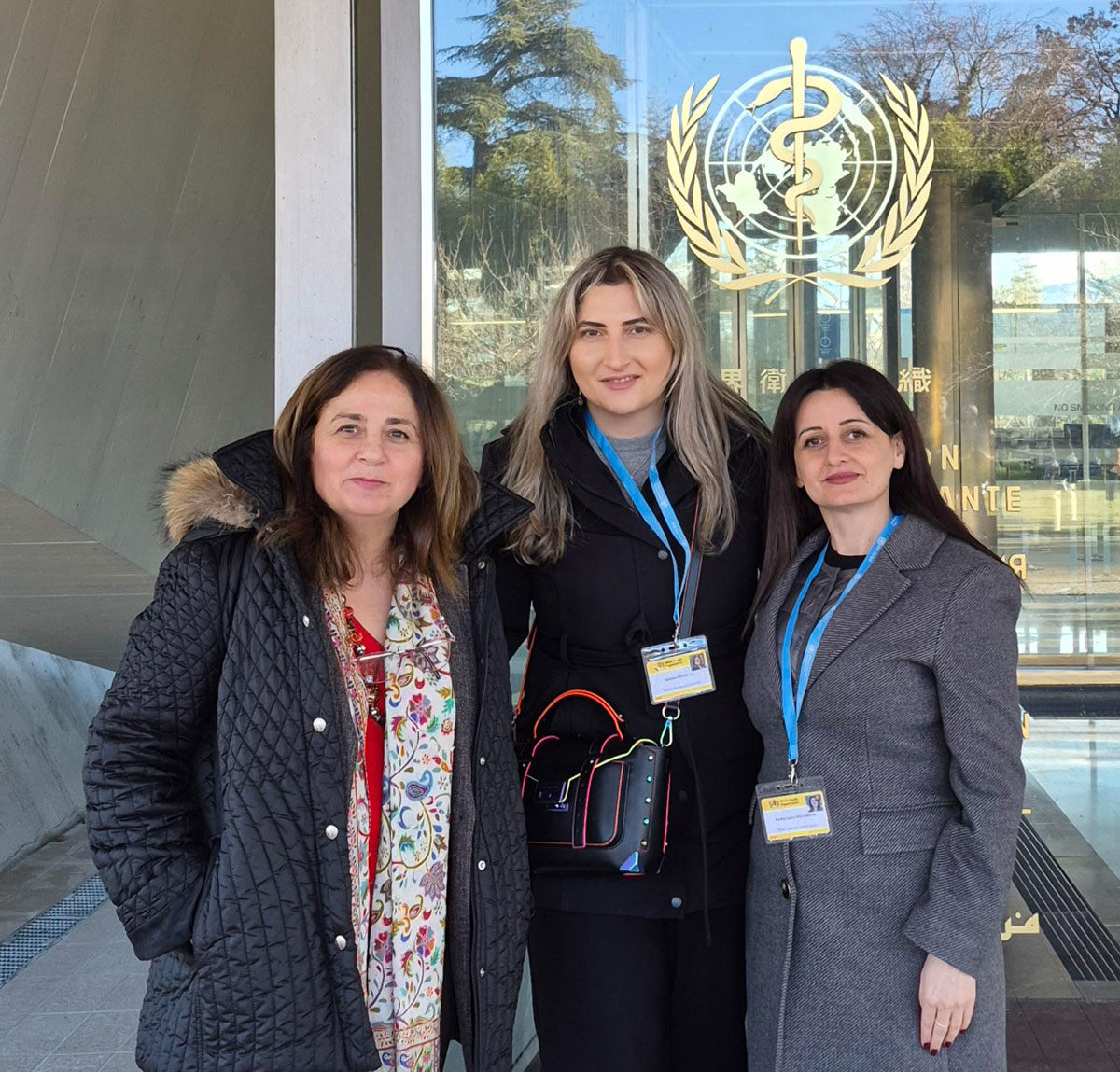
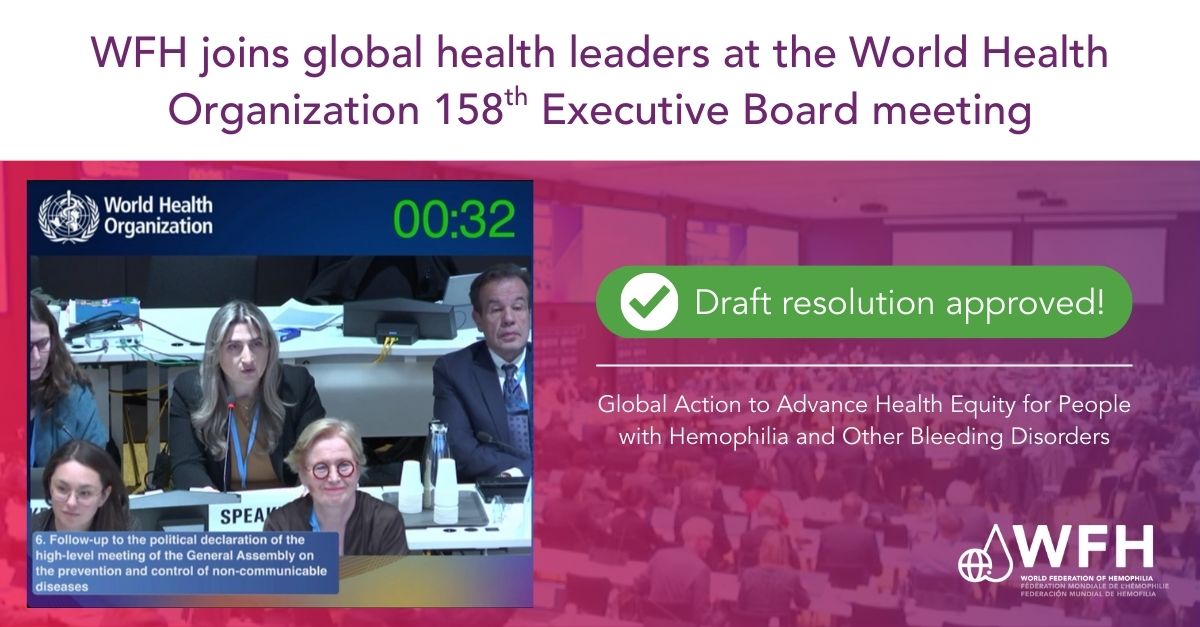
The WFH applauds the WHO Member States—especially the government of Armenia, and the co-sponsors Bosnia & Herzegovina, Egypt, Georgia, Iraq, Latvia, Malta, Morocco, Nepal, Paraguay, Spain, Sri Lanka and Togo—that have been leading efforts for the adoption of a dedicated WHA resolution. Additional Member States also expressed their strong support for the adoption of this resolution during the discussions at the WHO Executive Board on February 2 and 3, 2026.
What is a World Health Assembly Resolution?
A World Health Assembly Resolution is an official WHO policy document adopted by the WHO Member states to set global health priorities and policies, guide national health strategies and request specific actions from the WHO Secretariat. Although not legally binding under international law, these resolutions represent a significant international policy instrument and a political commitment, as they are adopted by the consensus of all the WHO Member States.
What impact can the resolution have?
By adopting the WHA resolution on Global Action to Advance Health Equity for People with Hemophilia and Other Bleeding Disorders, the WHO and its Member States (national governments) will recognize bleeding disorders as a global health priority and take critical step towards developing a coordinated global framework and concrete actions to address the health inequities affecting our community. The resolution includes three main sections:
- Section 1 is the preamble that highlights key disparities that people with bleeding disorders face in terms of underdiagnosis and inequitable access to treatment and care, regardless of type of bleeding disorder, gender or where they live. It also outlines already-existing key United Nations (UN) and WHO international policy documents that the proposed resolution is in alignment with.
- Section 2 includes the main recommendations that the resolution urges all Member States to implement at the country level, focusing on the introduction of relevant policies and programs directed towards improving diagnosis; equitable access to treatment, including sustainable financing and access to prophylaxis and home treatment programs; comprehensive care; data collection; awareness-raising and other interventions, including on women and girls with bleeding disorders; as well as the promotion of the celebration of World Hemophilia Day; and establishing consultative mechanisms for engagement with local civil society organizations representing the inherited bleeding disorders community.
- Section 3 outlines concrete actions for the WHO to implement, including the development of recommendations for member states, the recognition of World Hemophilia Day as an official WHO global health day for all bleeding disorders, and biennial reporting on progress made by member states towards implementing the resolution.
To read the full text of the draft resolution, click here.
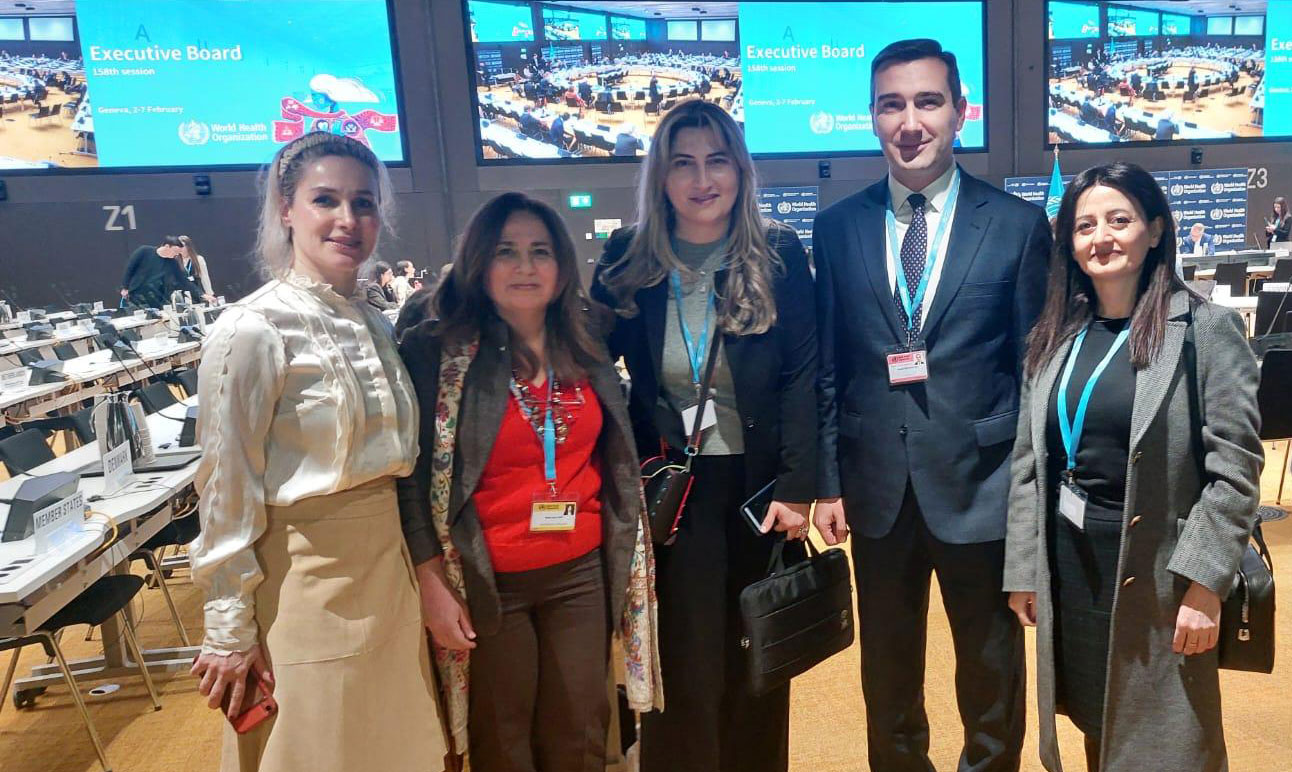
The journey to resolution approval
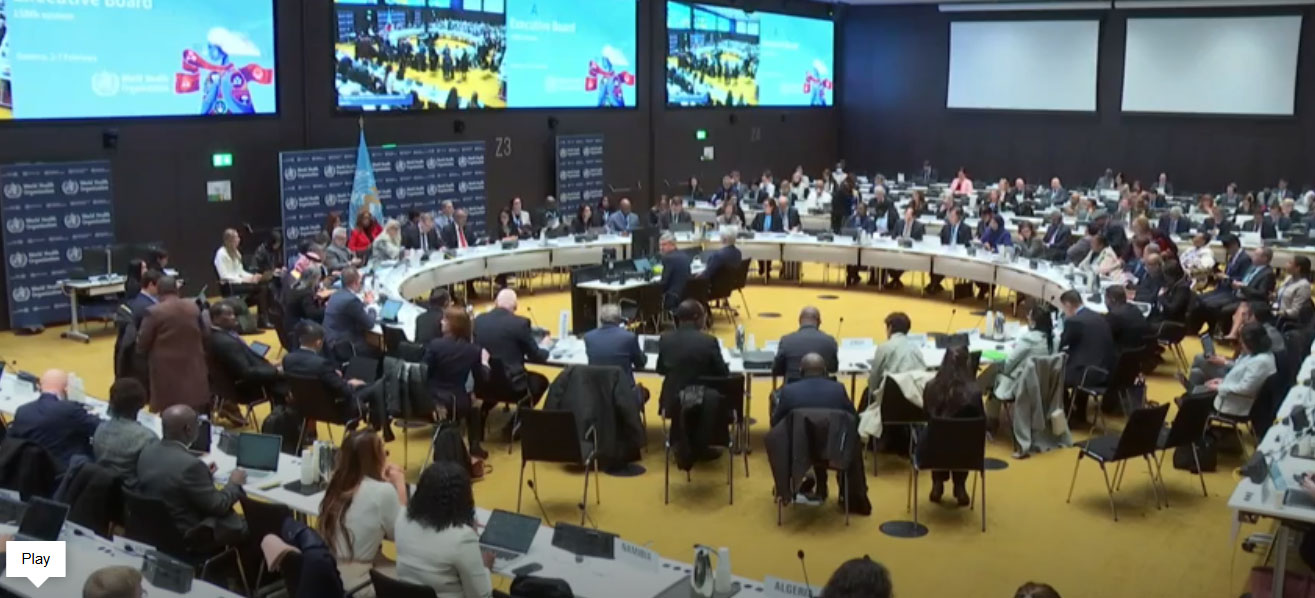
In preparation for the discussion at the WHO 158th Session of the Executive Board, the WFH launched a Global Call for Health Equity for Bleeding Disorders. Since the launch, 86 national, regional and international patient, medical and scientific organizations have joined the Global Call. The WFH expresses its sincere appreciation to all national member organizations (NMOs) and collaborating organizations for joining the Global Call and for demonstrating strong support and solidarity for this historic global initiative.
On January 29, 2026, the WFH also presented an open letter to Dr. Tedros Adhanom Ghebreyesus, MD, the WHO Director-General, calling for the adoption of the resolution. To read the letter, please click here.
The WFH also participated at the 158th session of the WHO Executive Board and delivered a powerful statement urging the WHO and its Member States to adopt the resolution. The WFH statement can be viewed below:
Next steps
The next and final step in the process is the adoption of the resolution at the 79th World Health Assembly scheduled to take place from May 18 to 23, 2026.
The WFH will continue to actively advocate with the member states to support this resolution, as well as invite more organizations to join our Global Call.
The WFH is also developing a dedicated page on our website with key information related to the WHA resolution on Global Action to Advance Health Equity for People with Hemophilia and other Bleeding Disorders, as well as a toolkit for organizations wishing to engage and further support this initiative. These resources will be made available shortly.
To find out more about the WFH Global Call in support of the WHA resolution on Global Action to Advance Health Equity for People with Hemophilia and other Bleeding Disorders, please read the announcement here or contact the WFH directly at [email protected]. To get an overview of WFH advocacy efforts, click here.