
A child smiles and writes in a schoolbook
Photo credit by: N/A

Education and eLearning

The WFH eLearning platform is your one-stop-shop for all your educational resource needs. With just a few clicks, you can find everything you need on hemophilia and other inherited bleeding disorders—from a quick introduction to in-depth guides and articles.

The WFH eLearning platform features educational content on topics relevant to bleeding disorders and over 800 educational resources, including educational videos, webinar recordings, interactive learning modules, and online tools for healthcare professionals, people with bleeding disorders (PWBDs), and their families. Official WFH translations of materials are available in Spanish, French, Arabic, Russian, Simplified Chinese, and Japanese. Many of the materials have been translated by other organizations and are available in 18 additional languages.

eLearning platform content is available free of charge

KEY EDUCATIONAL RESOURCES

WFH Guidelines for the Management of Hemophilia

Alok Srivastava et al on behalf of the WFH Guidelines for the Management of Hemophilia panelists and co-authors 2020

Treatment Guideline Resource Hub

Various authors 2021

Guidelines on the Diagnosis and Management of VWD

ASH ISTH NHF WFH

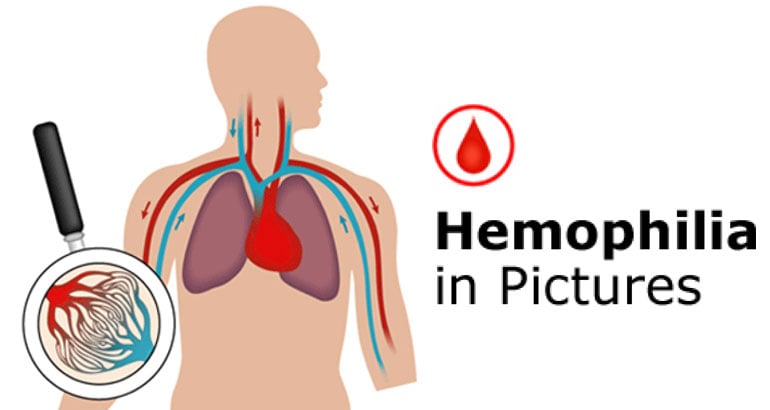
Hemophilia in Pictures

World Federation of Hemophilia 2005

Diagnosis of Hemophilia and Other Bleeding Disorders: A Laboratory Manual

Silmara de Lima Montalvão, Steve Kitchen 2025

Compendium of Assessment Tools

Various authors

LATEST EDUCATIONAL RESOURCES

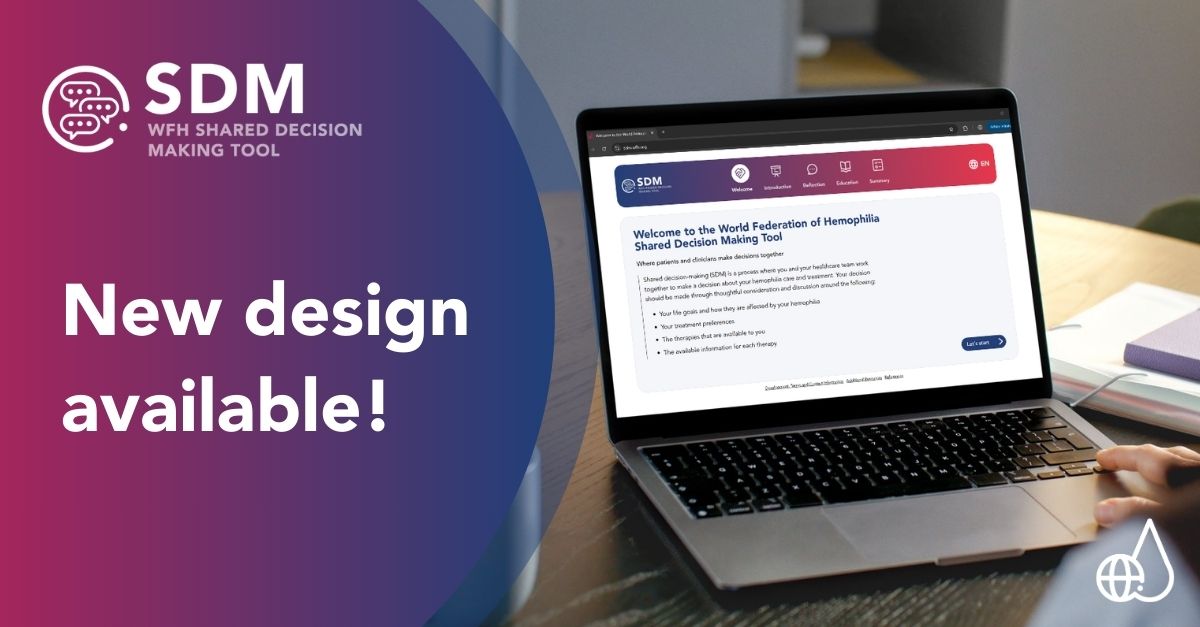
WFH Shared Decision Making Tool for Hemophilia Treatment

World Federation of Hemophilia 2023 

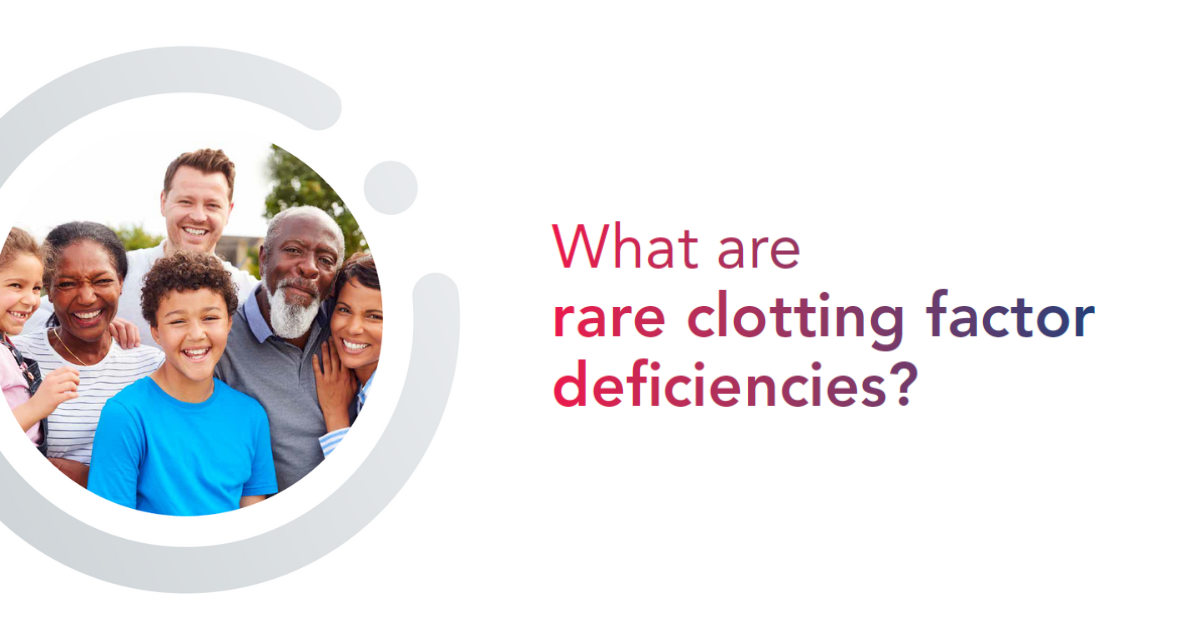
What are Rare Clotting Factor Deficiencies?

World Federation of Hemophilia 2023

What are Inherited Platelet Function Disorders?

World Federation of Hemophilia 2023

Psychosocial Care for People with Hemophilia

Frederica R.M.Y. Cassis 2023

What is von Willebrand Disease?

World Federation of Hemophilia 2023

What is Hemophilia?

World Federation of Hemophilia 2023

EDUCATIONAL VIDEOS AND WEBINARS

This video is part of a series answering questions about intimacy and bleeding disorders

RELATED VIDEOS

For many women with bleeding disorders and heavy periods, intimacy and sex can be difficult subjects to discuss with a partner. In this video, expert hematologist Cheryl Alexis, MD, provides clear factual suggestions of how to manage these situations. These videos discuss intimate relationships in clear language. Some people may not be comfortable with this content. 

These videos are part of a series answering questions about intimacy and bleeding disorders. If you have questions about intimacy or sex, please talk to a member of your comprehensive care team with whom you feel comfortable. 

LATEST EDUCATIONAL NEWS

Shared decision-making: increasing knowledge and fostering confidence

Shared decision-making: increasing knowledge and fostering confidence

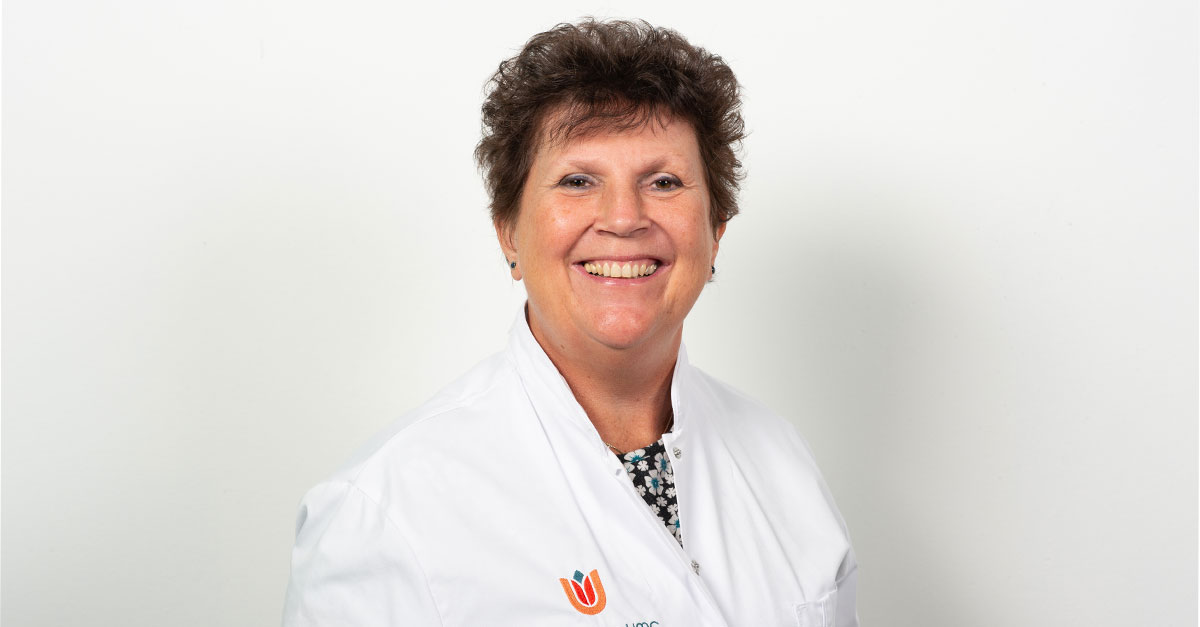
For Marlène Beijlevelt, a Nurse Practitioner specializing in bleeding disorder care in the Amsterdam University Medical Center, Amsterdam, Netherlands, shared decision-making is much more than just a conversation between a patient and a healthcare professional. It’s a continuous journey that empowers patients and families to explore their choices, identify their priorities, and work collaboratively with their healthcare team to make decisions that best align with their individual needs and values.
View online
Haemophilia celebrates 30 years of success

Haemophilia journal maintains strong scientific influence in 2025

Haemophilia— an international journal dedicated to the worldwide exchange of information on inherited bleeding disorders and their comprehensive care—has maintained its impact factor of 3.0 for 2025, reflecting the continued relevance, quality, and influence of the research it publishes for the global bleeding disorders community. An impact factor measures how often, on average, articles published in a journal are cited by other researchers, serving as an indicator of the journal’s scientific influence and standing in its field.

View online

Disclaimer

The information on the WFH website is provided for general information purposes only. The WFH does not engage in the practice of medicine and under no circumstances recommends particular treatment for specific individuals. For diagnosis or consultation on a specific medical problem, the WFH recommends that you contact your physician or local treatment centre. Before administering any products, the WFH urges patients to check dosages with a physician or hemophilia centre staff, and to consult the pharmaceutical company’s printed instructions.

While every effort has been made to ensure the accuracy of the information on this site, the WFH does not guarantee the information is accurate, and is not responsible in any way whatsoever for damages arising out of the use of this website or any of the information contained herein.

Messages posted to WFH discussion forums, Facebook, Twitter, and other social media platforms do not represent the opinions of the World Federation of Hemophilia, its staff, or Board of Directors. The author of a message is solely responsibility for its content. Information posted on WFH social networks and platforms should never be a substitute for individualized professional medical advice, even when the author has medical qualifications or is considered an authority. Information posted to a discussion group should not be used to diagnose or treat a specific health problem without consulting a qualified healthcare professional. The WFH recommends that you contact your physician or local treatment centre if you have any individual questions or concerns.

References and links to other websites or references to other organizations, products, services, or publications do not constitute endorsement or approval by the WFH. The WFH is not responsible and assumes no liability for the content of any linked websites.

Fraud Alert

Unauthorized solicitations – Warning

The WFH has been made aware of various correspondences—circulated via e-mail and telephone—coming from individuals impersonating WFH staff or falsely stating that they are associated with the WFH. These correspondences, which may seek to obtain money using the name of someone affiliated with the WFH, are fraudulent and come from outside of our organization.

If you receive a suspicious solicitation, exercise extreme caution. In the case of an email, look at the email address to see if it looks suspicious (for example, all WFH emails come from @wfh.org).

We are asking you to remain vigilant, and if you have any doubts about the correspondence, please forward the email to the WFH at [email protected] or call +1 514-875-7944.