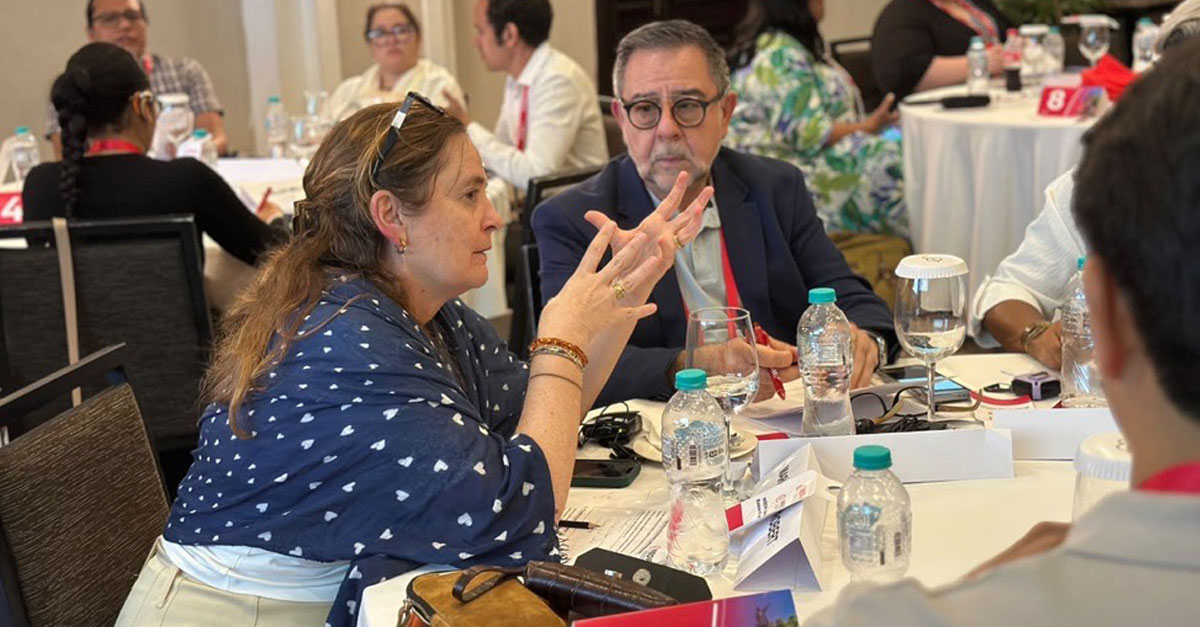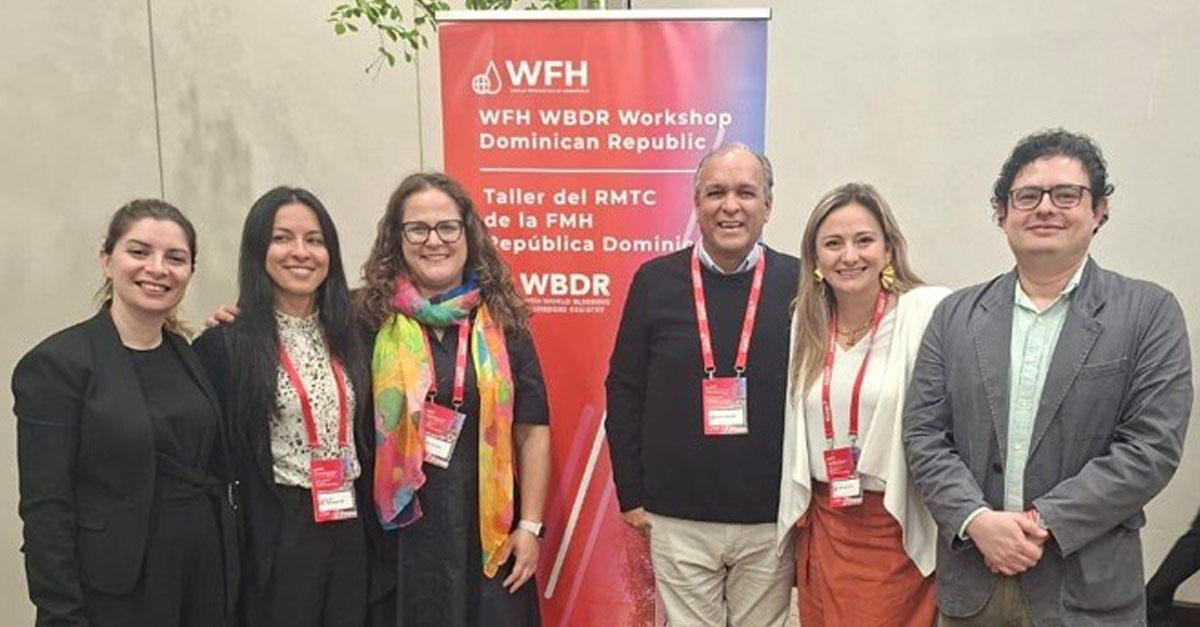
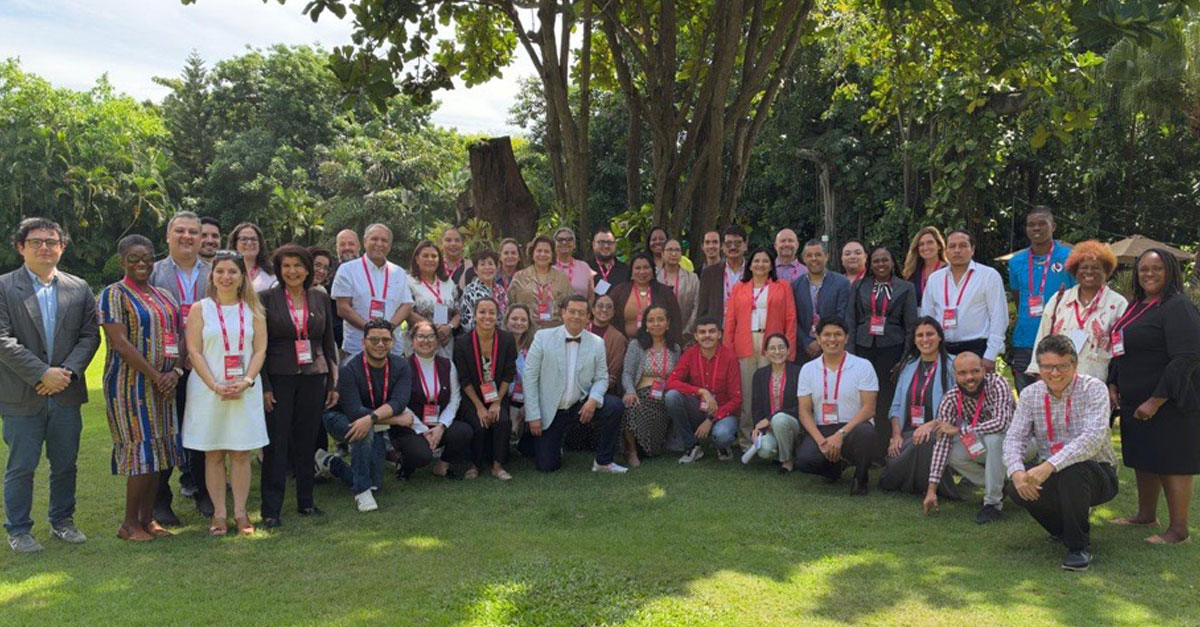
Workshop participants received practical training on research methodology, development of research proposals, scientific publication, and the use of data to answer clinically relevant questions. Interactive sessions encouraged collaboration and knowledge sharing, while country presentations highlighted their experiences and lessons learned from implementing the World Bleeding Disorders Registry (WBDR) in the region.
The workshop also explored how data can be used to support evidence-based advocacy. Through expert presentations, group discussions, and hands-on exercises, participants developed advocacy strategies aimed at improving access to diagnosis, treatment, and care for people with bleeding disorders. Regional priorities and opportunities for collaboration were also identified.
Throughout the two-day workshop, participants gained practical skills to transform WBDR data into evidence that can inform research, advocacy, and health policy in the region.
To find out more about the WFH World Bleeding Disorders Registry (WBDR), click here.
The WBDR regional data workshop was made possible through the support of WDBR Visionary Partner, Hemophilia of Georgia; Collaborating Partners, Pfizer and Roche; and Novo Nordisk.