HWO-article-3-header

Our actions today, their future tomorrow: Transformation Through Collaboration

The following is the final article in a 3-part series about the transformation that has taken place for the bleeding disorders community in Nigeria, thanks to the WFH and our supporters.

Also available in: Français Español

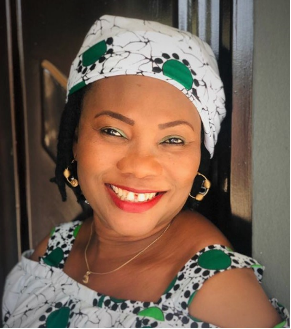
Megan Adediran, Founder and Executive Director of the HFN

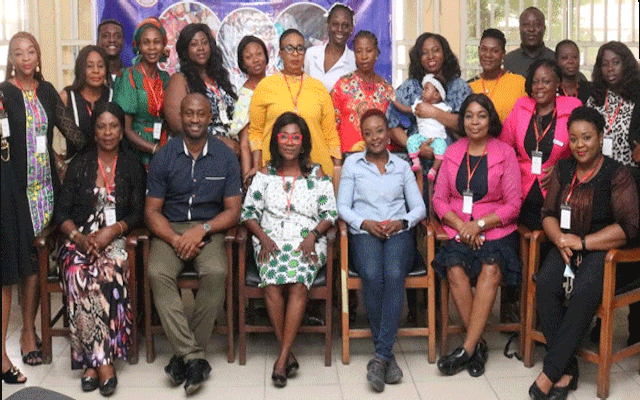
Megan Adediran, Founder and Executive Director of the Hemophilia Foundation of Nigeria (HFN), a WFH national member organization (NMO), has been instrumental in the progress that has been made in Nigeria’s bleeding disorders community over the last 16 years—but she would be the first to admit that she had a lot of help along the way.

Through the twinning partnership between the HFN and the National Hemophilia Foundation (NHF) in the United States, Adediran was able to gain the skills and confidence to better serve her community. “I’ve become a better advocate,” she said. “And we’ve been able to develop a lot of [resources to support] the community.”

The partnerships between patient and youth leaders created through the WFH Hemophilia Organization Twinning Program are just one of the ways we seek to promote collaboration and exchange, and foster solidarity within the global bleeding disorders community. “Our twinning with the NHF in 2012 was our breakthrough, the knowledge we gained from that relationship took our organization from level 1 to 5 on the ladder of advocacy, fundraising and organizational development,“ said Adediran. The WFH was founded because 12 national patient organizations believed that they could do more if they worked together. That philosophy is still going strong to this day.
Irene Chami, former WFH Regional Program Manager, Africa, said that a key component of the success of the HFN was Adediran’s thirst for knowledge and constant desire to learn from her peers. “She was keen to attend all the learning opportunities the WFH could provide, be it workshops, conferences, the World Congress… and then she would say, how can I adapt this to my situation on the ground?” explained Chami. “Twinning with the National Hemophilia Foundation in the United States was also significant, as it gave us tools that made it possible for the HFN to define how we do our work as an NMO. It also helped the organization’s members learn skills like fundraising and advocacy.”

The threads being woven through these collaborations led to real change for both communities. Change that would inspire all those that were involved for years to come. “This was the first twinning that NHF was involved in, and it had a huge impact on many of us,” said Neil Frick, Senior Vice President of Medical Programs and Information at NHF. “We were able to see firsthand how not having treatment available, not having government support and the lack of education for providers was affecting the patients. We experienced the initial impact visiting with a government can have and how those relationships are cultivated with time and persistence.”

NHF and the HFN worked on letters to local, state, and federal governments to educate leaders on hemophilia. “Our twinning with NHF was our breakthrough… The knowledge we gained from that relationship took our organization from level 1 to 5 on the ladder of advocacy, fundraising and organizational development,” said Adediran. They worked to strengthen local chapters across Nigeria—building the infrastructure to ensure the HFN’s sustainable long-term success and building confidence within the bleeding disorders community.

Those early lessons, learned through collaboration within the WFH global network, have had a tremendous impact on the bleeding disorders community in Nigeria. The persistence of the HFN has recently been rewarded with official recognition by the Nigerian Ministry of Health: bleeding disorders are now included in national policy. This policy aims to ensure early detection and proper medical care of people living with a bleeding disorder; the creation of a national structure to disseminate information; and the promotion of comprehensive care to improve the management of inherited bleeding disorders.

NFH and HFN visit the National Hospital in Abuja (2013 HOT Twinning)

For NHF, the experience in Nigeria made it clear that long-term investment is needed to create sustainable, meaningful change. “This all began a path of donating more funds to the WFH, getting involved in leadership, encouraging our chapters to get involved in the twinning program and pursuing a Youth Twinning with India,” explained Frick. “The experience has produced lasting benefits and a belief that we are all part of a global community.”

Adediran’s boldness and persistence has helped the HFN get this far, but no one can lead such profound transformation alone. For nearly 60 years, the WFH has been working to create sustainable change for the global bleeding disorders community. The progress made is not always immediate—but it is transformational. “The continuous improvement in the quality of life for persons with bleeding disorders continues to give me the motivation to do more,” said Adediran.

If you want to ensure that more people with inherited bleeding disorders are diagnosed and have access to care, regardless of their gender or where they live, please consider making a gift today.

To read about the inspiring transformational narrative of Nigeria’s journey to access to safe treatment, care, and diagnosis in chronological order, access the first article in the series, here and the second article, here.

Thank you to everybody who supports the work of the WFH, your generosity often makes the difference between life and death for many around the world. Every dollar you contribute allows us to continue our important work of pursuing Treatment for All.

- Megan Adediran, Founder and Executive Director of the Hemophilia Foundation of Nigeria

*Every dollar raised will be matched 2:1 until December 31, 2021, up to a total donation of $20,000.

We’ve accomplished a lot this year, we need your help to continue strong.

Would you like to read more about similar articles?

Disclaimer

The information on the WFH website is provided for general information purposes only. The WFH does not engage in the practice of medicine and under no circumstances recommends particular treatment for specific individuals. For diagnosis or consultation on a specific medical problem, the WFH recommends that you contact your physician or local treatment centre. Before administering any products, the WFH urges patients to check dosages with a physician or hemophilia centre staff, and to consult the pharmaceutical company’s printed instructions.

While every effort has been made to ensure the accuracy of the information on this site, the WFH does not guarantee the information is accurate, and is not responsible in any way whatsoever for damages arising out of the use of this website or any of the information contained herein.

Messages posted to WFH discussion forums, Facebook, Twitter, and other social media platforms do not represent the opinions of the World Federation of Hemophilia, its staff, or Board of Directors. The author of a message is solely responsibility for its content. Information posted on WFH social networks and platforms should never be a substitute for individualized professional medical advice, even when the author has medical qualifications or is considered an authority. Information posted to a discussion group should not be used to diagnose or treat a specific health problem without consulting a qualified healthcare professional. The WFH recommends that you contact your physician or local treatment centre if you have any individual questions or concerns.

References and links to other websites or references to other organizations, products, services, or publications do not constitute endorsement or approval by the WFH. The WFH is not responsible and assumes no liability for the content of any linked websites.

Fraud Alert

Unauthorized solicitations – Warning

The WFH has been made aware of various correspondences—circulated via e-mail and telephone—coming from individuals impersonating WFH staff or falsely stating that they are associated with the WFH. These correspondences, which may seek to obtain money using the name of someone affiliated with the WFH, are fraudulent and come from outside of our organization.

If you receive a suspicious solicitation, exercise extreme caution. In the case of an email, look at the email address to see if it looks suspicious (for example, all WFH emails come from @wfh.org).

We are asking you to remain vigilant, and if you have any doubts about the correspondence, please forward the email to the WFH at [email protected] or call +1 514-875-7944.