Faber Jean-Claude
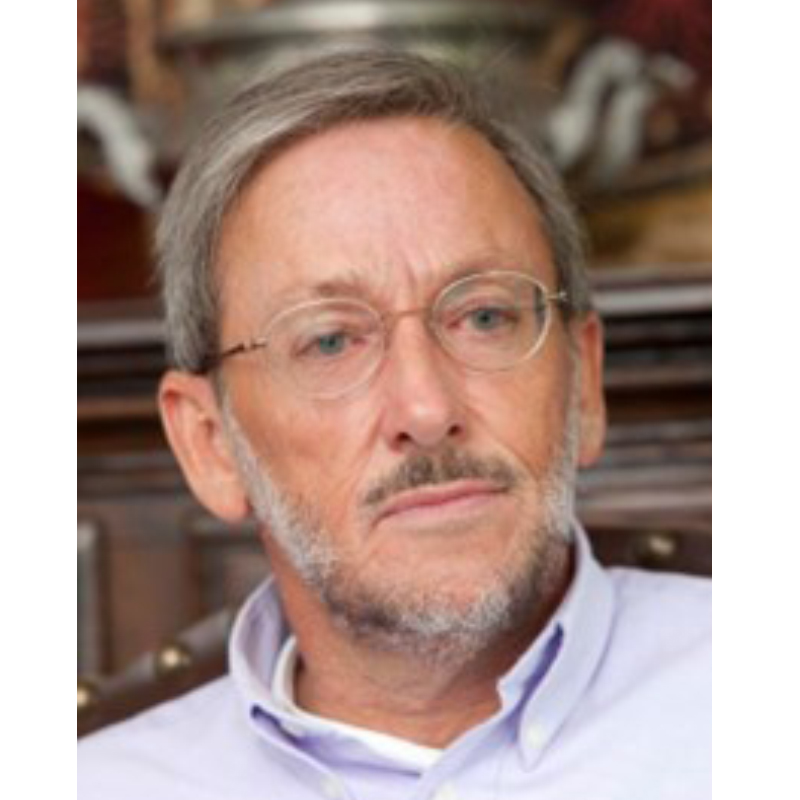
He graduated as medical doctor from the University of Bonn in Germany and received his specialisation in
biologic haematology and transfusion medicine in Germany, the US, Canada, France and Netherlands.
For 25 years, he was the medical director of the Blood Transfusion Service of the Luxembourg Red Cross.
He is a member of WHO Expert Advisory Panel on Transfusion Medicine (World Health Organisation, WHO), founding president of the International Haemovigilance Network (IHN).
For many years he has been involved in works with the Council of Europe (as member of the Group of Experts in Blood Transfusion and Immunohaematology), the European Commission (as national and scientific expert in blood transfusion) and the European Blood Alliance (as vice-president).
In his home country, he is serving the National Haemophilia Association as president.
His main areas of interest are haemovigilance, quality management in blood establishments,
self-sufficiency (blood and plasma/fractionation) and voluntary non-remunerated blood donation.
His favourite activities are assistance projects in blood transfusion in developing countries (such as Ecuador, Nicaragua, Haiti, Burkina Faso, Senegal, Pakistan, Vietnam, Laos and Myanmar).
Together with Prof. De Vries, he has co-authored the textbook on Haemovigilance, published in 2012.
He has received several international awards: in 2008, the ISBT Award (Award of the International Society of Blood Transfusion, granted to a person who has contributed significantly to blood transfusion and transfusion medicine, mainly in educational aspects), and in 2010, the IHN Award (Award of the International Haemovigilance Network, granted to a person who has contributed significantly to haemovigilance).
Jan Blatny
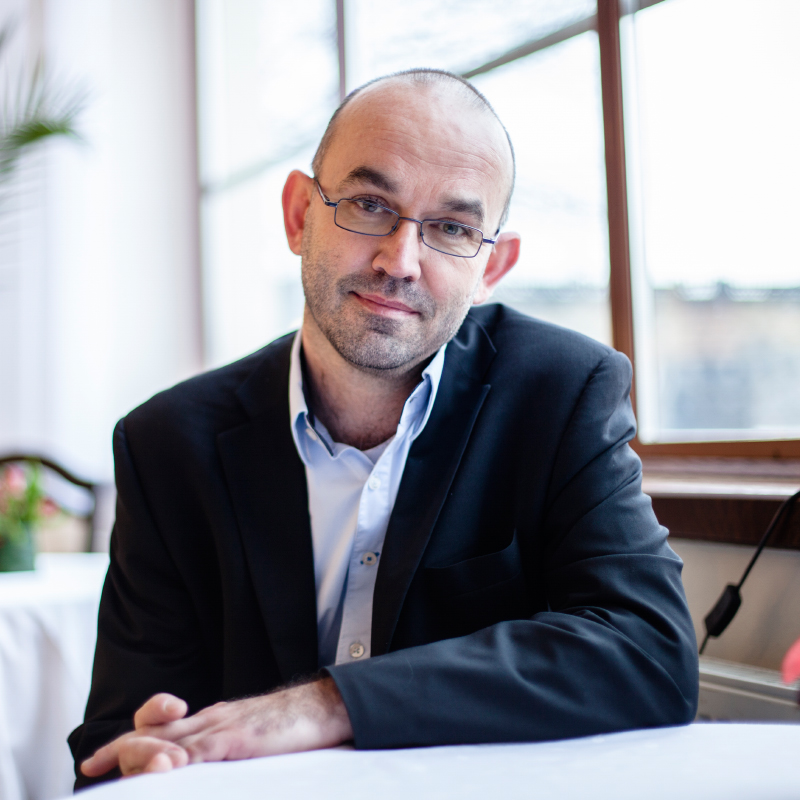
Jan Blatný, MD, PhD
University Hospital Brno and Masaryk University
Brno, Czech Republic
Jan Blatný, MD, PhD, is Consultant Haematologist at the Department of Paediatric Haematology, Centre for Thrombosis and Haemostasis and Director of the Haemophilia Comprehensive Care Centre of University Hospital in Brno, Czech Republic. He is an Associate Professor of Paediatrics at Masaryk University in Brno, Czech Republic. Currently he also serves as an adviser to the Czech Minister of Health.
His research interests encompass paediatric haematology, thrombosis and haemostasis, and life-threatening bleeding. Dr Blatný is a member of numerous national and international haematology organizations. Among others, he serves on the steering committee of the Czech National Haemophilia Programme, is a Vice-president of EAHAD (European Association for Haemophilia and Allied Disorders) and member of MAG (Medical advisory group) of EHC (European Haemophilia Consortium) or a member of the PedNet. He is also a member of the Working Party on population PK of the ISTH SSC Subcommittee on Factor VIII and IX and Rare Bleeding Disorders
From November 2020 till April 2021 he served as a Minister of Health of The Czech Republic.
To Dr Blatný’s publication credit are 9 book chapters and over 100 articles published in peer-reviewed journals.
Julia Chadwick

Julia Chadwick is currently the Education Materials Manager at the WFH. Julia has a Master of Science of Public Health from McGill University in Montreal, and has spent much of her career in medical education. Since joining the Research and Education department of the WFH in 2020, Julia has worked on hemophilia and von Willebrand disease guideline educational materials and translations, the PACT Advocacy Academy, as well various educational webinars for the bleeding disorder community.
Carisi Polanczyk
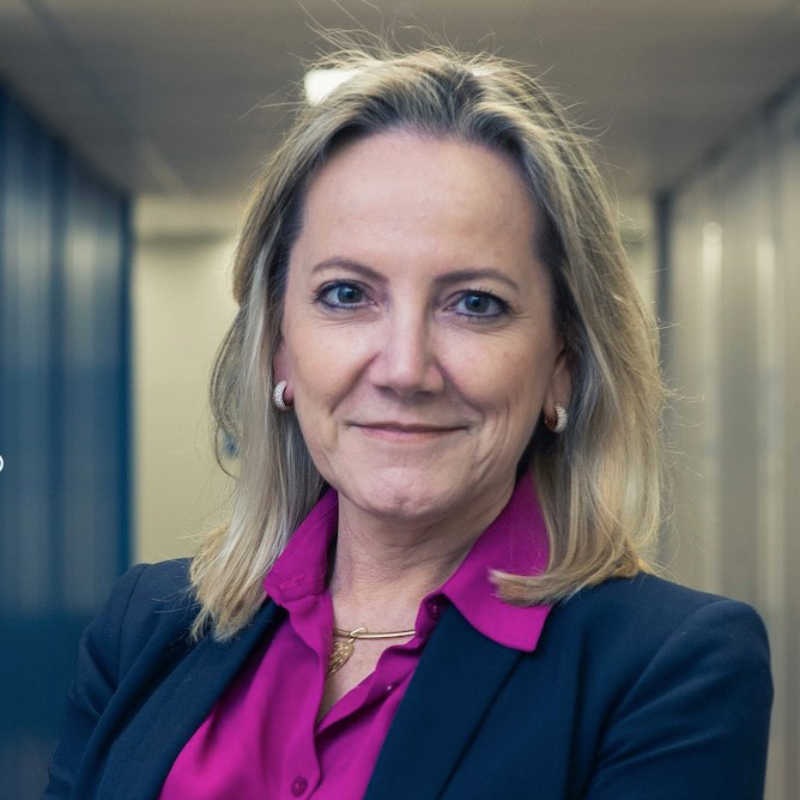
Dr. Polanczyk is a Cardiologist, Professor of Medicine and Coordinator of the National Institute for Health Technology Assessment/CNPq in Brazil. She graduated in Medicine from the Federal University of Rio Grande do Sul and completed a research fellowship in clinical effectiveness and health economic analysis at Harvard University, USA. Dr. Polanczyk has been appointed as Professor of the Graduate Programs in Epidemiology and Cardiology at UFRGS.
Prior experience includes chief of Clinical Research Center of Hospital de Clinicas de Porto Alegre, Coordinator of the Master-degree Program in Health Technology Management, and consultant for the Brazilian Health Ministry – Department of Health Care/ High complexity and ANVISA in supporting Health Technology Assessment issues. Currently, she is the Chief of Cardiology at Hospital Moinhos de Vento, and ahead of Heart Failure Standard Set implementation since 2017.
Her clinical areas of interest include clinical effectiveness, quality of healthcare and health economic analysis with a focus on cardiovascular disease. In the last years, she has expanded her ideas to outcomes measurement, longitudinal assessment of patients with cardiovascular disease; looking at opportunities to increase value and innovate in healthcare delivery.
David Page

David Page is Director of Health Policy for the Canadian Hemophilia Society (CHS). His principal role is to advocate for access to optimal comprehensive care and the most efficacious coagulation therapies in Canada. He served as a volunteer with the CHS from 1982 to 2001, including a 2-year term as President in the 1990s. In 2001, he left the field of teaching and educational publishing to take a staff position with the CHS. He was National Executive Director from 2006 to 2017. David served on the Quebec Hemovigilance Committee advising the Minister of Health on blood safety issues from 1998 to 2006, including four years as president. He has been a member of the Héma-Québec (Quebec’s blood establishment) Safety Committee since 1999 and is now its chairperson. David served on the Executive Committee of the World Federation of Hemophilia from 2000 to 2008 and was chair of its Coagulation Products Safety, Supply and Access Committee from 2001 to 2016. David has severe factor IX deficiency.
Lieven Annemans
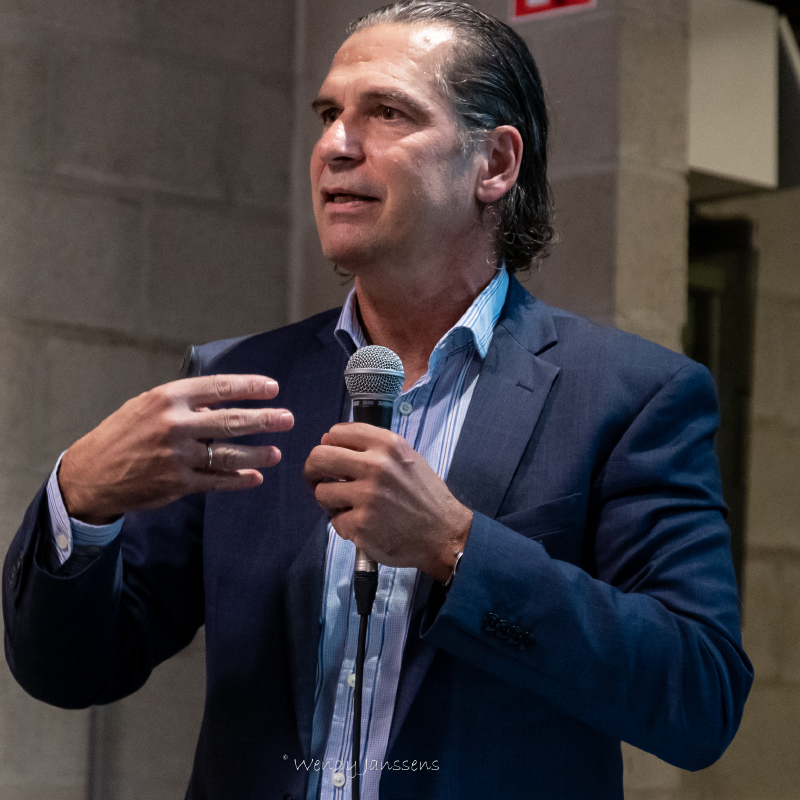
Lieven Annemans is Senior Full Professor of Economics of Health and Wellbeing at the Faculty of medicine and health sciences at Ghent University, Belgium. He is Past-President of ISPOR (the International Society of PharmacoEconomics and Outcomes Research), was during 8 years chairman of the Flemish health council, and is currently chairman of the Flemish Committee for Societal Revival. He conducts research on how to optimize the health of the population since more than 25 years, specialising in Health Technology Assessment (HTA), financial incentives for clinicians, and the cost-effectiveness of health promotion. Since 6 years he also conducts research on wellbeing and happiness among the general population and among patients. He is (co-) author of > 320 scientific papers in peer-reviewed journals and published several books, among which ‘Health economics for non-economists’ (Pelckmans Pro, 2018)
Kate Khair
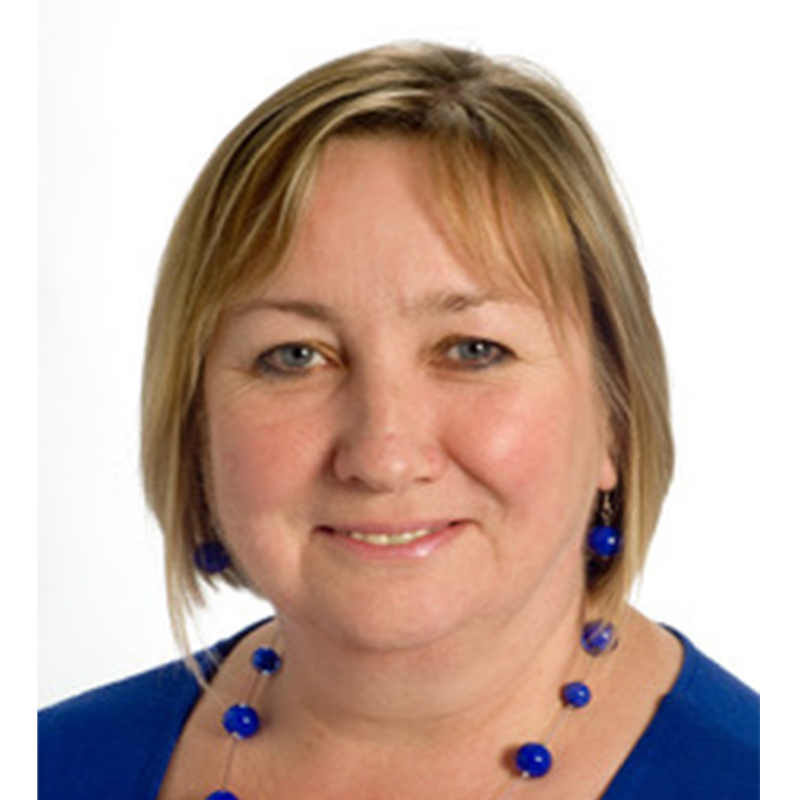
Dr Kate Khair is: Director of Research at Haemnet, a Clinical Academic Careers Fellow, Centre for Outcomes Research and Experience in Children’s Health Illness and Disability (ORCHID) at Great Ormond Street Hospital for Children NHS Trust and Visiting Professor of Health and Social Care at London South Bank University. Since becoming a state registered nurse in 1981, Dr Khair has gained a number of other professional qualifications including state registration in paediatric nursing, a master’s degree in anthropology, a City and Guilds master’s degree in higher levels of practice, several modules in advanced nursing and a PhD in health. Kate is an advocate of the nurse’s role in the multi-disciplinary team, is the chair of the nurses committee of the WFH, a founding Trustee of Haemnet a haemophilia education and research charity where she is now Director of Research and is the Editor in Chief of the Journal of Haemophilia Practice. Dr Khair worked in the haemophilia centre at Great Ormond Street Hospital for Children from 1991 as a consultant nurse. In 2018 she moved to ORCHID to use her academic time to continue her work into outcomes research in haemophilia and bleeding disorders as well as to support PhD students in health outcomes research.
Dejan Petrovic
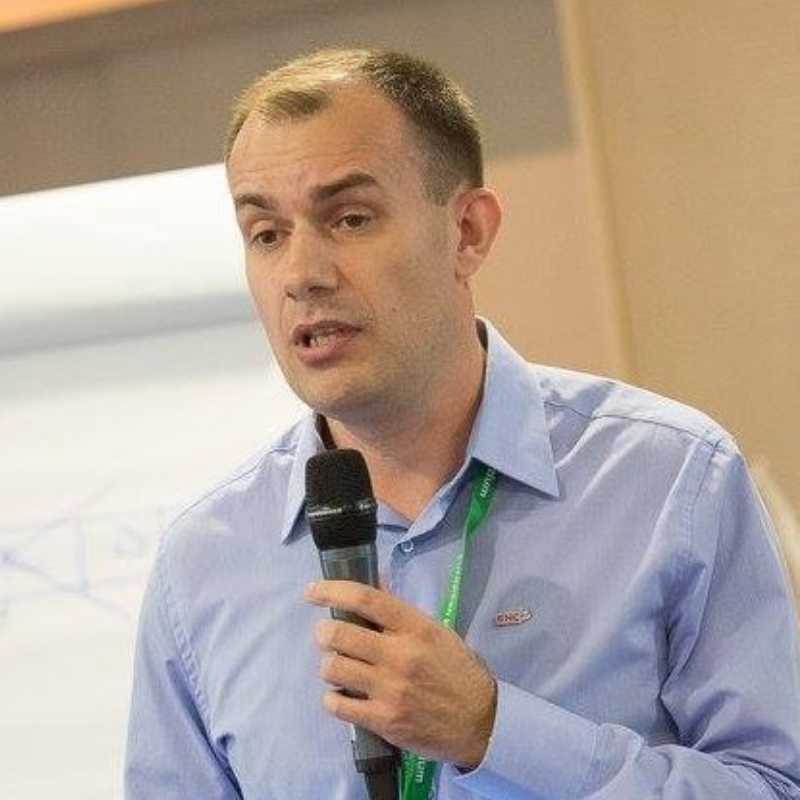
Dejan Petrovic, President of the Board of the Serbian Haemophilia Society
Dejan Petrovic has been the President of the Board of the Serbian Haemophilia Society (SHS) since December 2017. Prior to that, he was the Vice President of the Board, while he has been a member of the SHS since its establishment in 2000. During his activism in the SHS he has participated in numerous congresses, conferences, seminars, workshops in the country and abroad, and in the last few years his activities have focused on the procedure of public procurement of drugs for hemophilia, media activities and communication and negotiations with authorities. Through workshops, lectures and panel discussions, he transferred knowledge and experiences from the procedure of public procurement of drugs for hemophilia in the country and abroad, as well as experiences from advocating for patients’ rights and negotiation with authorities. He has been a long-term member of the Public Procurement Committee of Medicines for Hemophilia and the National Hemophilia Committee.
He is a lawyer, has been working as legal advisor with National Employment Service, married, the father of two and person with severe form of Hemophilia A.
Salome Mekhuzla
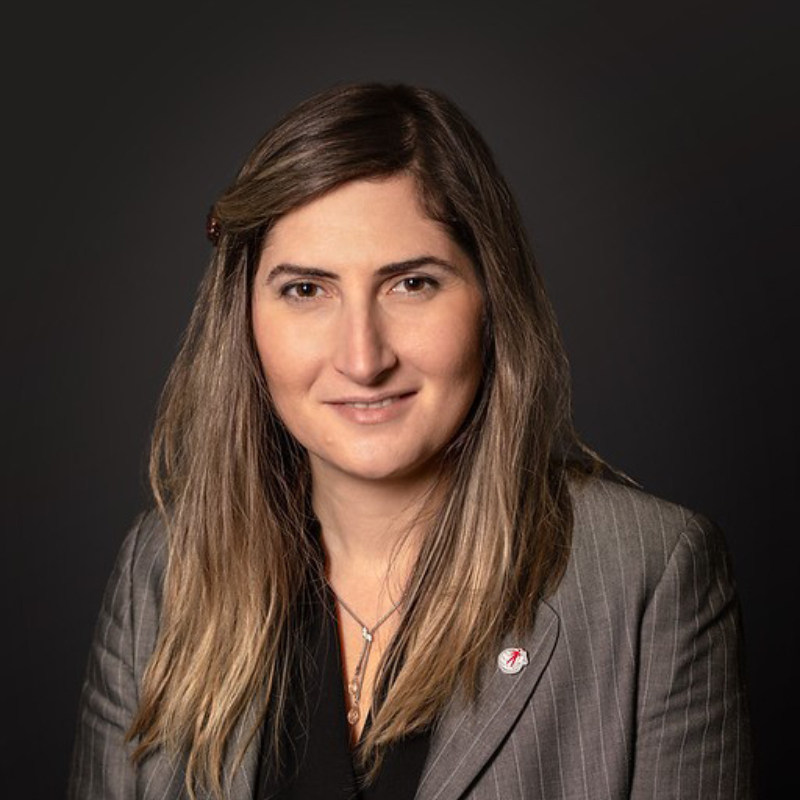
Salome Mekhuzla, WFH Director, Global Development leads a team responsible for implementing various healthcare development, capacity-building and advocacy programs around the globe. Originally from the country of Georgia, her prior experience while working with European and US-based international NGOs on civil society development, advocacy and inter-ethnic relations in the South Caucasus region serves her well in her current role. She holds a MSocSc degree in Transformation in South Caucasus from Tbilisi State University, Center for Social Sciences and a MSc in Nationalism Studies from the University of Edinburgh.
Megan Adediran

Megan Adediran is a member of the WFH Board and is the Executive Director of the Haemophilia Foundation of Nigeria (HFN). Megan is a person with a bleeding disorder herself and has two sons with severe haemophilia A. Over the years, the HFN has been able to spearhead the advocacy and awareness of bleeding disorders in Nigeria and train healthcare providers across the country. She also advocated effectively for government engagement including securing a Desk Officer for bleeding disorders at the Federal Ministry of Health and 6 states in the country. Recently, she successfully got the government to include bleeding disorders in the National NCD policy. Megan has worked collaboratively with medical professionals to set up 15 HTCs across Nigeria and she and them are currently developing the second edition of its National Treatment Guideline.