NMO name | National Hemophilia Network of Japan |
Location | Tokyo |
Founding date | 2008 |
Active members | 25 district associations |
PWBDs served | 7,000 |
Website* |
The following answers have been edited for clarity.
What’s the mission of your NMO?
Our mission of the National Hemophilia Network of Japan is to liaise with district hemophilia associations and facilitate cooperation and knowledge sharing for the benefit of the Japanese bleeding disorders community.
What was your main highlight/achievement of 2021/2022?
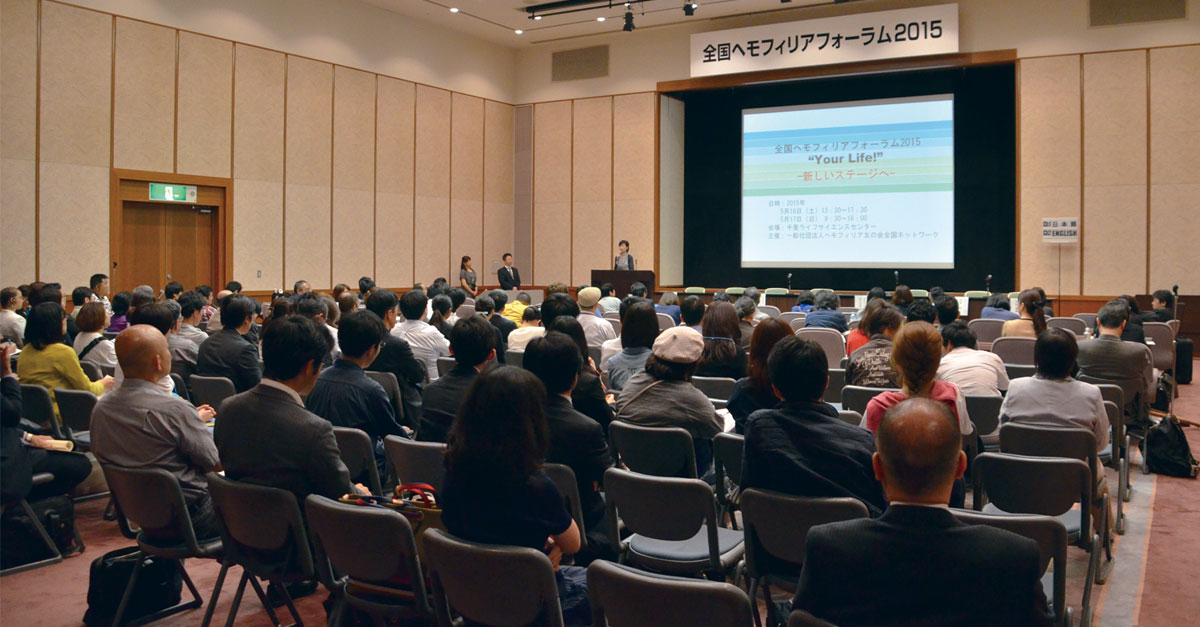
Our main achievement was continuing to offer our virtual forum online—in the last three years, our forum was done online because of the pandemic. This October, the national forum will once again be an in-person event. Although the virtual format is helpful for people living in remote areas, there’s a lot of value in face-to-face contact.
How did the COVID-19 pandemic impact your NMO?
It was very hard not being able to hold any in-person meetings. To help keep our work going through the pandemic, we used an online platform to hold seminars and to facilitate discussions on the web.
Which services are you offering your community?
We offer accurate, useful information in Japanese through websites, web magazines, publications, study groups and our national forum.
What are the main challenges that the bleeding disorder community faces in your country?
People with bleeding disorders (PWBDs) receiving quality treatment throughout Japan. We’re trying to ensure everyone gets the care they need by providing communities with local seminars and workshops through local patient associations and our national forum. What’s encouraging is that an increasingly larger number of local patient associations are participating in the national forum. And more local associations are using our website information and are communicating directly with our steering committee.
As part of your advocacy work, did you try to influence the national government to change policies affecting bleeding disorders?
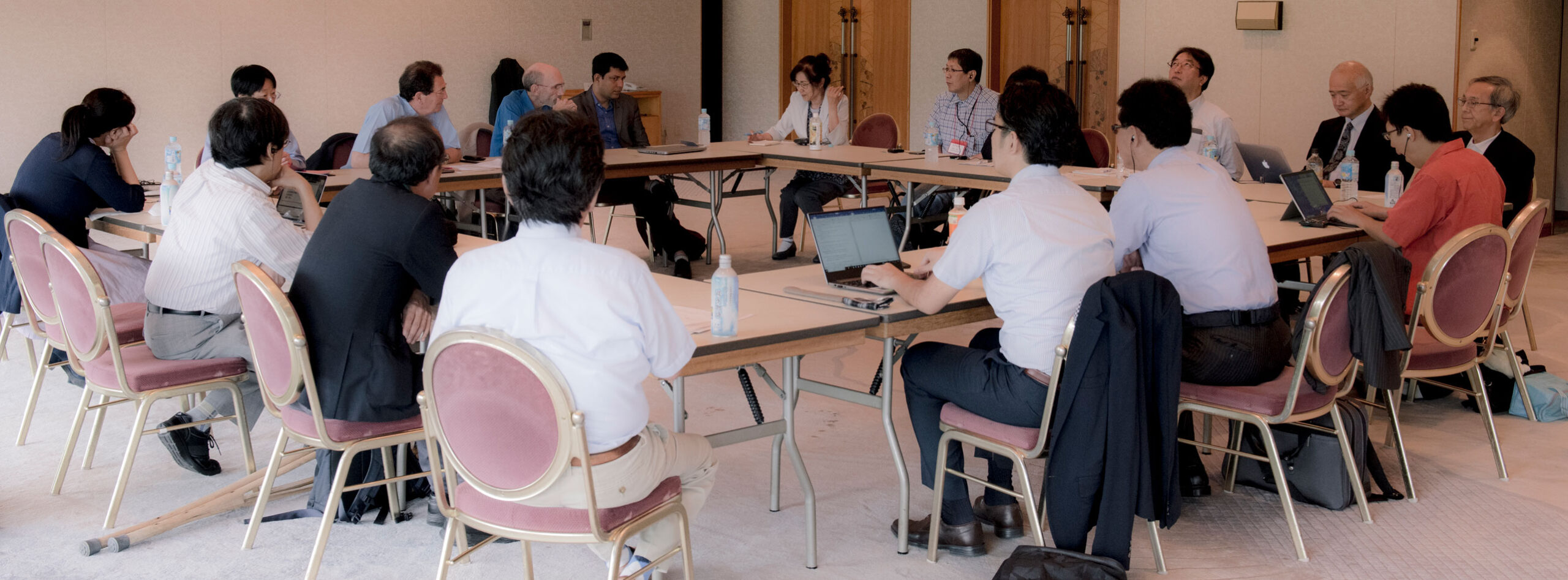
We have done a lot of advocacy work and have been partially successful. We have helped create the position of patient representative in an important government committee which does policy and advocacy work related to bleeding disorders. Now, the bleeding disorder community is able to work actively in conjunction with officials when the government is overhauling laws and regulations affecting the community.
How do you feel about the future of the bleeding disorder community in your country?
Although we are confident that a high level of medical care will be available in the future, we are concerned about potential risks such as high medical costs and variability in the available treatment by location. We also working hard to ensure that the next generation continue our advocacy work.
Describe your experiences collaborating with the World Federation of Hemophilia.
Before joining WFH, the Japanese bleeding disorders community only looked at domestic issues. We have now become more outward looking in an effort to understand the needs of the global society and find opportunities to contribute. This February, we were able to play a part in giving the first donation of Japanese blood-derived products to the WFH. We hope to assist in the continuation and expansion of this project in the future.
Are there any upcoming events/initiatives that you would like to promote?
We recently published the English edition of our eBook, Talk about Hemophilia which describes the Japanese hemophilia experience—including our HIV struggle. This notion of sharing experiences with the world is a new one for us. We hope you read our eBook to learn more about our history, just as we are beginning to learn more and more about the global experience. To access Talk about Hemophilia, please click here.
To read about the way the WFH and NMOs collaborate to make a difference in local bleeding disorders communities, please read “National member organizations: the heartbeat of the WFH” here.
To read more stories in this series, please click on one of the links below:
Federación de Hemofilia de la República Mexicana (Mexico): click here.
Asociación Costarricense de Hemofilia (Costa Rica): click here.
Haemophilia Association of Mauritius: click here.
Syrian Hemophilia Society: click here.
* Disclaimer: This is an external website, and its content has not been developed nor endorsed by the WFH.