Humanitarian Aid Program makes double knee replacement possible in Egypt
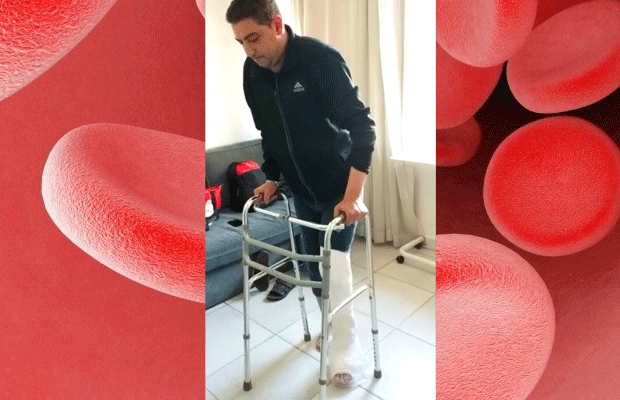
Hazem El Tahan is a man with severe hemophilia A in Egypt. He suffered several bleeds over a two-year period in his left knee which led to septic arthritis, permanent damage, and severely limited mobility.
Grifols extends commitment to WFH Humanitarian Aid Program
The WFH Humanitarian Aid Program aims to improve the lack of access to care and treatment for people with inherited bleeding disorders in developing countries, and is a critically important endeavour for the bleeding disorders community. Today, the World Federation of Hemophilia (WFH) is proud to announce that Grifols will extend its commitment to the WFH Humanitarian Aid Program until 2030.
WFH Humanitarian Aid Program transforms lives in Vietnam
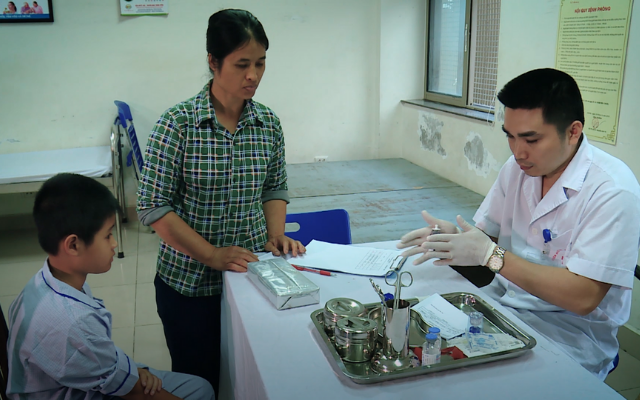
A bleeding disorder can have a huge impact on a child’s life. Bleeds can cause children to miss school, or worse: recurring joint bleeds can reduce a child’s mobility until they need crutches or a wheelchair to be mobile.
Humanitarian Aid Program Impact Report 2020 released
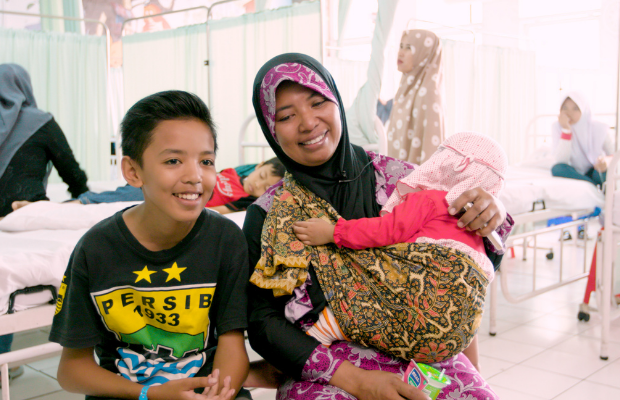
The WFH Humanitarian Aid Program was developed to address the issue of access to care by working with national member organizations (NMOs) and hemophilia treatment centres (HTCs) to provide continued access to treatment for emergency situations, acute bleeds, corrective surgeries, and prophylaxis for young children.
WFH Humanitarian Aid Program helps kids go to school in Zambia
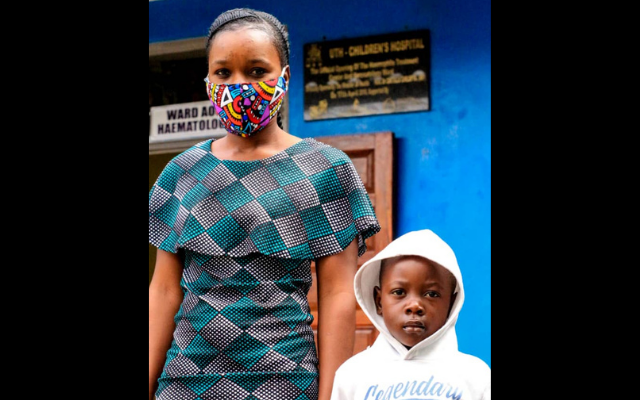
Thanks to donated factor provided by the WFH Humanitarian Aid Program, children in Zambia with a bleeding disorder have been able to go back to school and lead normal lives. In 2020, the Program worked with the Haemophilia Foundation of Zambia—the local national member organization (NMO)—to deliver over 1.25 million IUs of factor to local hospitals.
Takeda joins WFH Humanitarian Aid Program
The World Federation of Hemophilia (WFH) is proud to announce that Takeda has joined the WFH Humanitarian Aid Program with a five-year product donation of factor and bypassing agents. This commitment represents a new milestone for Takeda’s collaboration with the WFH.
WFH Humanitarian Aid Program helps save life in Nicaragua
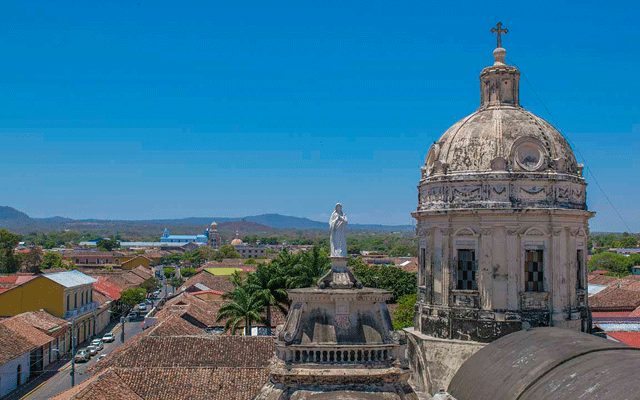
Accidents that cause physical trauma are particularly dangerous for people with a bleeding disorder—especially if they live in a country with limited access to factor. In Nicaragua, Isaías—a 27-year-old male patient with severe hemophilia A—suffered trauma to his face and right shoulder when he was injured by a tree branch.
WFH Humanitarian Aid Program recognized in prestigious publications
In many countries, patients with a bleeding disorder only have access to factor through donations. The World Federation of Hemophilia (WFH) Humanitarian Aid Program is the primary donor of factor around the world, helping thousands of people to live more normal lives every year.
WFH Humanitarian Aid Program holds session for doctors and treaters
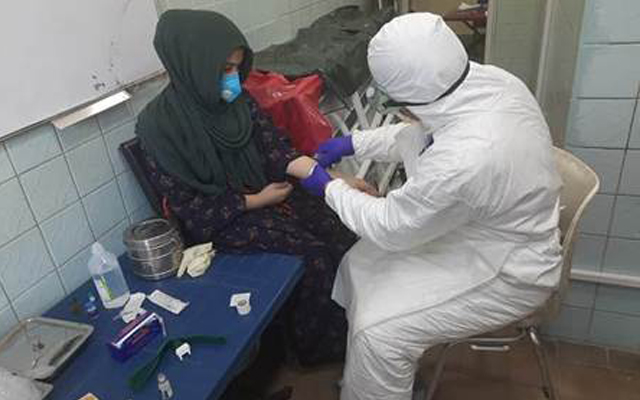
In December 2020, the WFH Humanitarian Aid Program held a scientific session for doctors and treaters to develop the awareness and knowledge of hemophilia in Central and South America. The webinar is part of an ongoing series of events developed by the Program to connect with bleeding disorders treaters in recipient countries.
WFH Humanitarian Aid Program: changing lives in Nepal
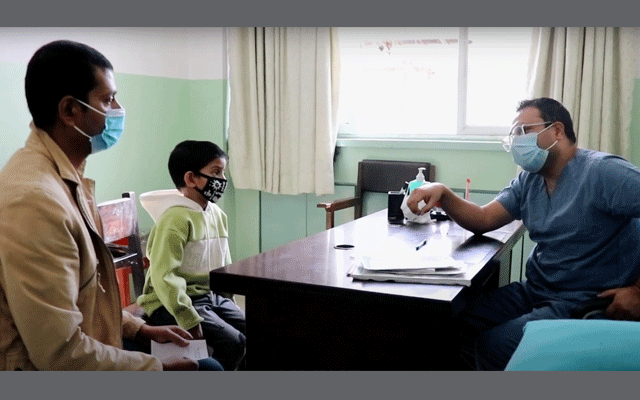
The WFH Humanitarian Aid Program is changing lives of patients with bleeding disorders in Nepal. Donated factor provided by the Program to the local national member organization (NMO)—the Nepal Hemophilia Society (NHS)—is making regular and emergency treatment possible in the country, allowing patients to enjoy a greater quality of life and a new level of physical independence.