Search Results

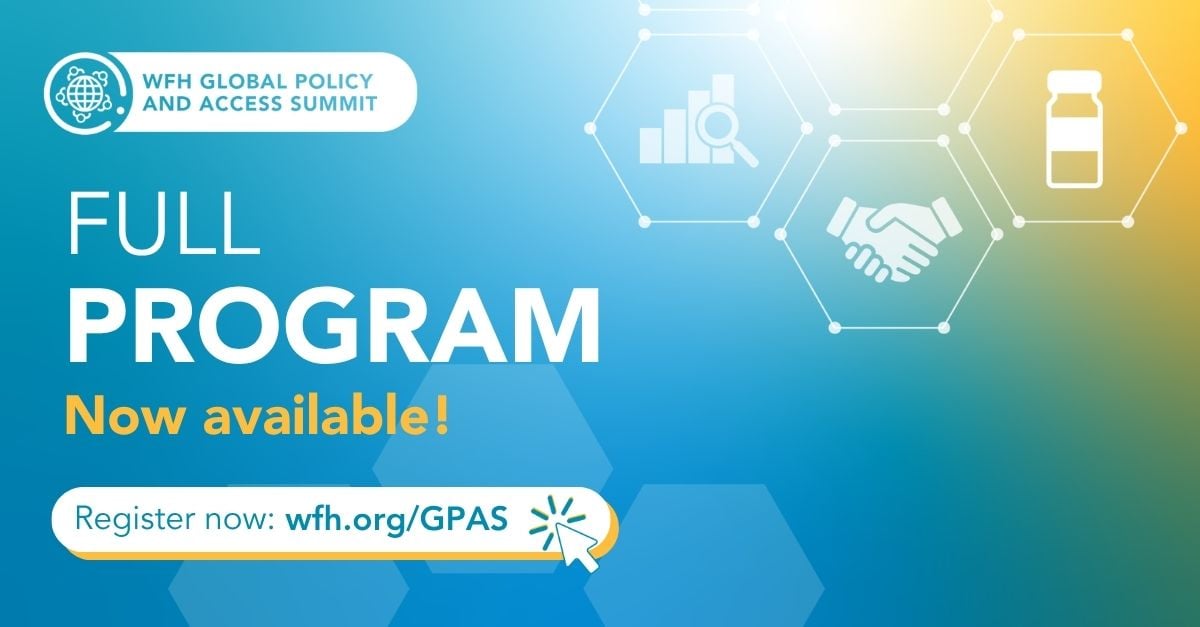
The WFH is pleased to announce that the full program for the Global Policy and Access Summit (GPAS) 2026 is now live! Join us virtually on October 20 to 21, 2026 to share strategies for sustaining and advancing bleeding disorders care in the fast-changing world, and to promote dialogue and knowledge sharing between national member organizations (NMOs), healthcare providers, and national governments to deliver better care.
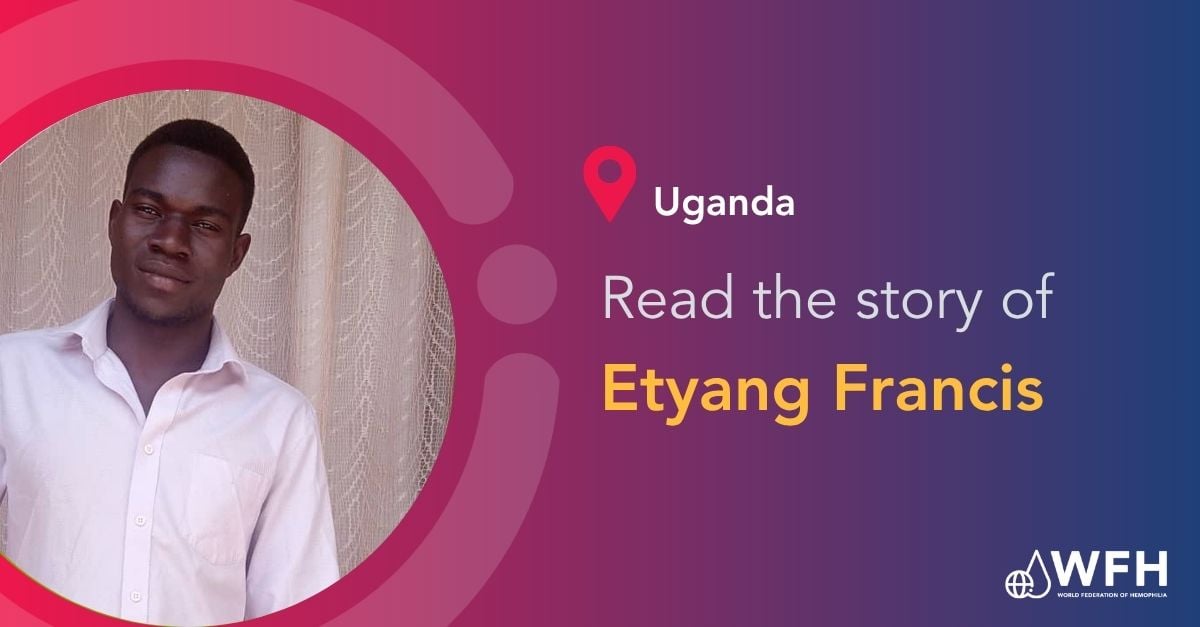
During his childhood, Etyang Francis suffered from frequent, debilitating knee joint bleeds and severe nosebleeds. At the time, his family had no knowledge of hemophilia; like many people in Uganda facing unexplained medical issues, they believed his condition was due to witchcraft. This misconception delayed his medical attention, and he eventually became physically disabled and had to rely on crutches for mobility. A turning point in his life came during a routine hospital visit when his parents ran into an old friend who recognized the symptoms of a bleeding disorder. This friend advised the family to attend a hemophilia medical camp organized by the Hemophilia Foundation of Uganda (HFU)—the country’s WFH national member organization (NMO)—at Mbale Regional Referral Hospital. There, Francis was finally diagnosed with hemophilia A, and soon he began receiving donated treatment products provided by the World Federation of Hemophilia (WFH) Humanitarian Aid Program. In the space of a few days, his life completely changed.
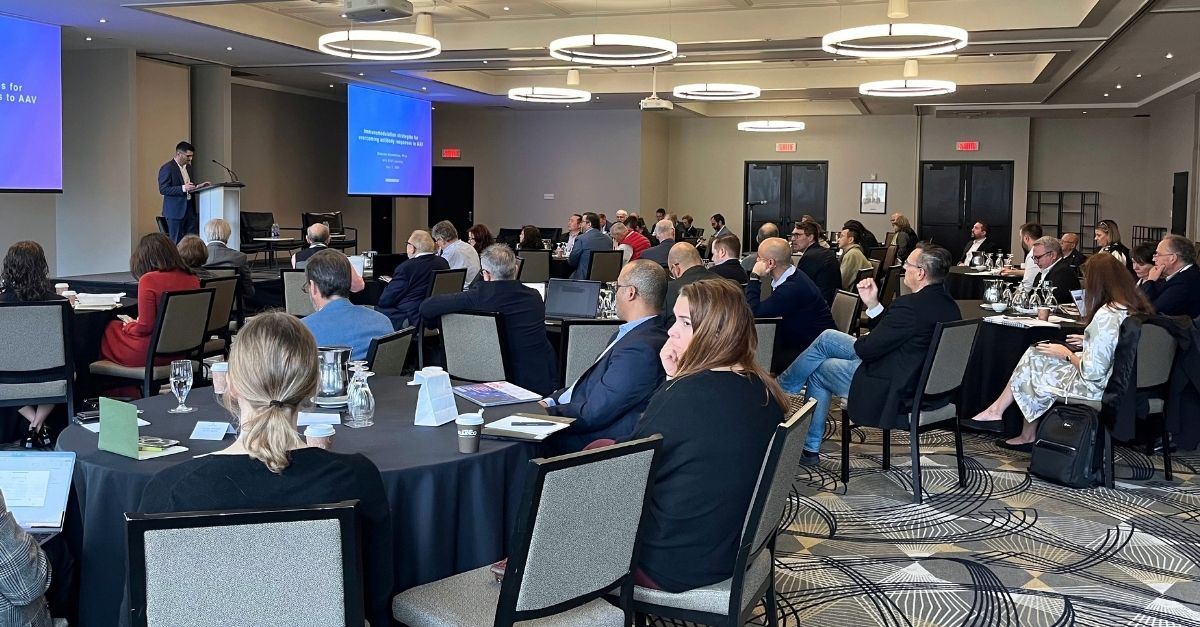
This November, the World Federation of Hemophilia (WFH) will mark 30 years of scientific innovation with the 19th New Technology and Gene Therapy (NTGT) Workshop in Montreal, Canada. Experts from around the world will come to the city on November 12 to 13, 2026 to explore the latest developments in hemophilia treatment and research.
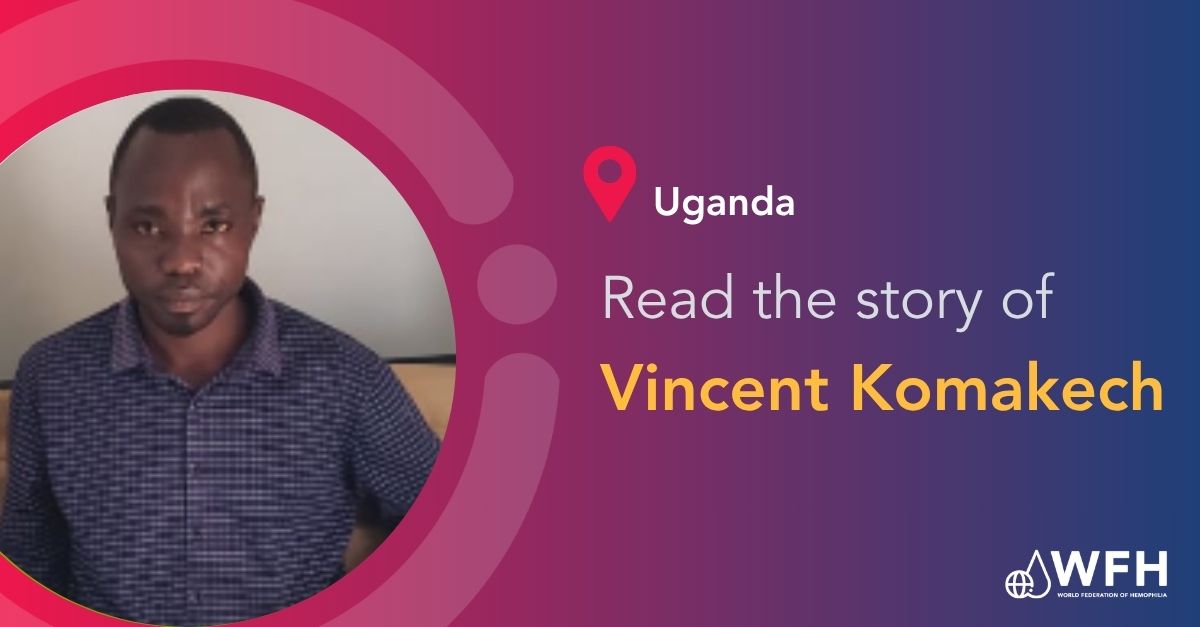
In 2017, Vincent Komakech went to Lacor Hospital in Gulu with a severely swollen and painful knee. There, Agnes Kisakye, Executive Secretary of the Haemophilia Foundation of Uganda, realized that his clinical presentation was highly indicative of a bleeding disorder. She flagged the case to the physicians and advised that he undergo diagnostic testing for hemophilia. His diagnostic results confirmed a diagnosis of hemophilia A, and he was immediately started on factor VIII concentrate therapy, which he still uses to manage his condition today. Almost 20 years old at the time, Komakech finally had an answer as to why he had been suffering for so many years. Finally, he had answers—and hope for a better future.
The World Federation of Hemophilia (WFH) has launched the WFH Treatment Guidelines Resource Hub, a centralized online platform that gives healthcare professionals, researchers, people with bleeding disorders, and the wider community a streamlined way to access the latest evidence-based guidance for care. The Resource Hub brings together the WFH Guidelines for the Management of Hemophilia and the ASH ISTH NHF WFH 2021 Guidelines on the Diagnosis and Management of von Willebrand Disease in one location.
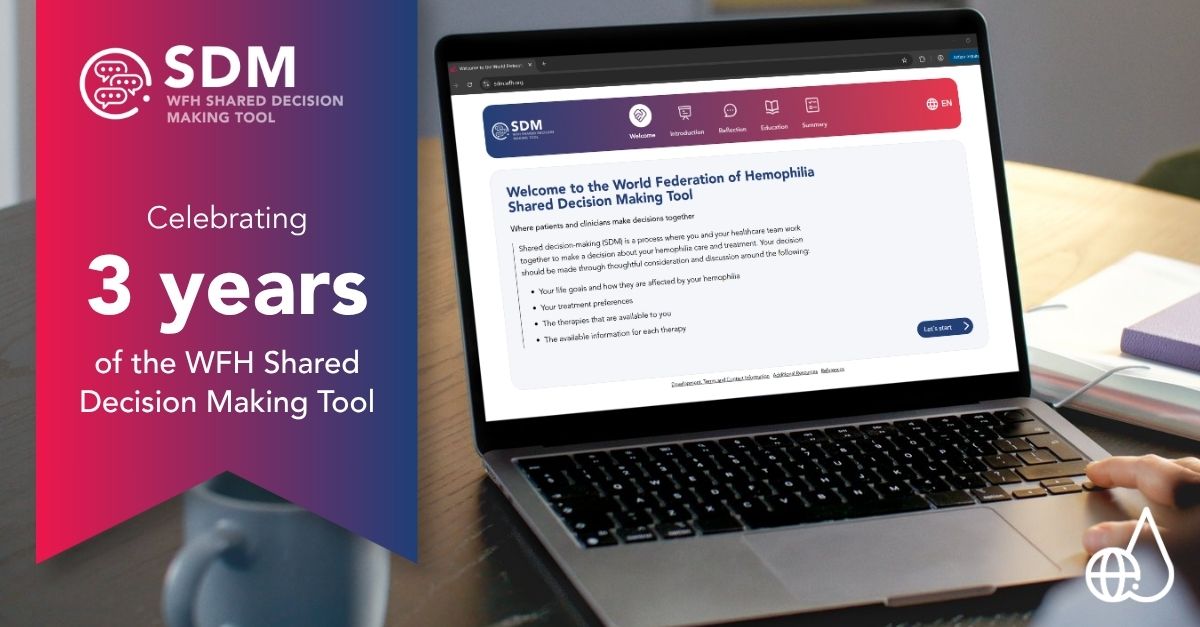
Since its launch in 2023, the World Federation of Hemophilia (WFH) Shared Decision Making (SDM) Tool has grown from a global digital decision-support tool into a broader implementation initiative supporting people with hemophilia, caregivers, and healthcare professionals. Over the past three years, the WFH SDM Tool was visited by more than 34,000 people, with 16,357 actively using it across more than 157 countries. The resource is currently available in English, French, Spanish, Japanese, German, Dutch, Italian, Croatian, Malay, Danish, and Czech—with two additional languages in production.
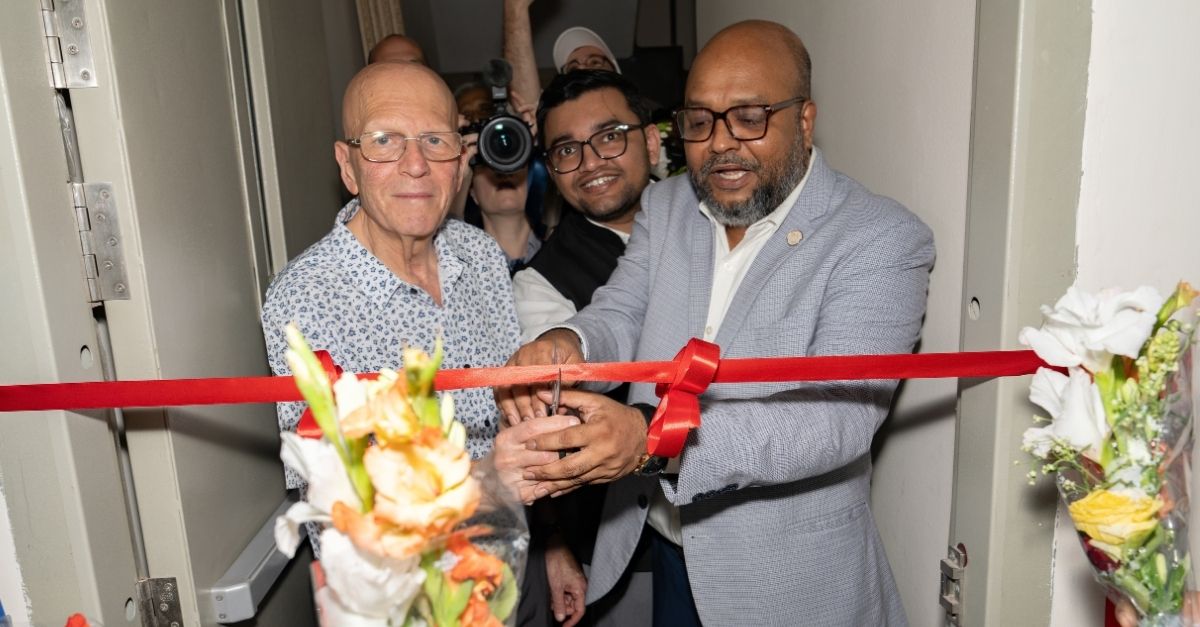
National member organizations (NMOs) are the heartbeat of the World Federation of Hemophilia (WFH). The WFH works in close collaboration with NMOs to provide them with support tailored to their realities to help them increase the level of care for the people with bleeding disorders (PWBDs) in their countries. Every few weeks we will be profiling an NMO on the WFH News page, showcasing the work that they are doing, the challenges they are facing, and the difference they are making in their communities. Today, we look at the NMO in Bangladesh, the Hemophilia Society of Bangladesh (HSB).